Improving Learning in the Digital Age: Techniques for Efficient Training The way we learn and assimilate information has changed significantly in today’s fast-paced world. With the proliferation of information and the development of technology, it is more important than ever to know how to engage students. In order to improve training programs and make them more effective and interesting for contemporary learners, this article will examine a variety of strategies. There is a lot of debate about the modern attention span, especially when it comes to learning & development. Many people find it difficult to concentrate for longer than a few minutes at a time, according to research showing that the average attention span has drastically declined over time.
The abundance of information at our fingertips, which has led to a culture of instant gratification and distraction, is responsible for this change. Conventional training techniques that depend on long lectures or a lot of reading material might therefore be ineffective. Recognizing that today’s learners are used to short, easily assimilated content is crucial to overcoming this obstacle. They favor information that is easily absorbed and remembered in bite-sized chunks. Organizations can modify their training programs to suit the needs of their audience by taking note of this change.
Trainers can make learning more captivating and attention-grabbing by segmenting difficult subjects into smaller, more manageable chunks. The cutting-edge strategy of microlearning is ideal for the attention span of today’s learners. This method entails presenting information in brief, concentrated bursts that usually last no more than five to ten minutes.
This kind of information presentation allows students to understand important ideas without becoming overwhelmed. There are many different types of microlearning, such as quick films, infographics, tests, or even short articles. Microlearning allows for more flexibility & improves retention in training programs. Because they can access the content whenever they want, learners can fit their training into their hectic schedules. In today’s workplace, where employees frequently manage several responsibilities, this flexibility is especially helpful.
Organizations can promote a culture of ongoing learning and development by offering training that is clear and simple to access. A key component of successful learning is engagement. Learners are more likely to remember material & use it in practical situations when they actively participate in the training process. Including interactive content in training programs is one way to accomplish this.
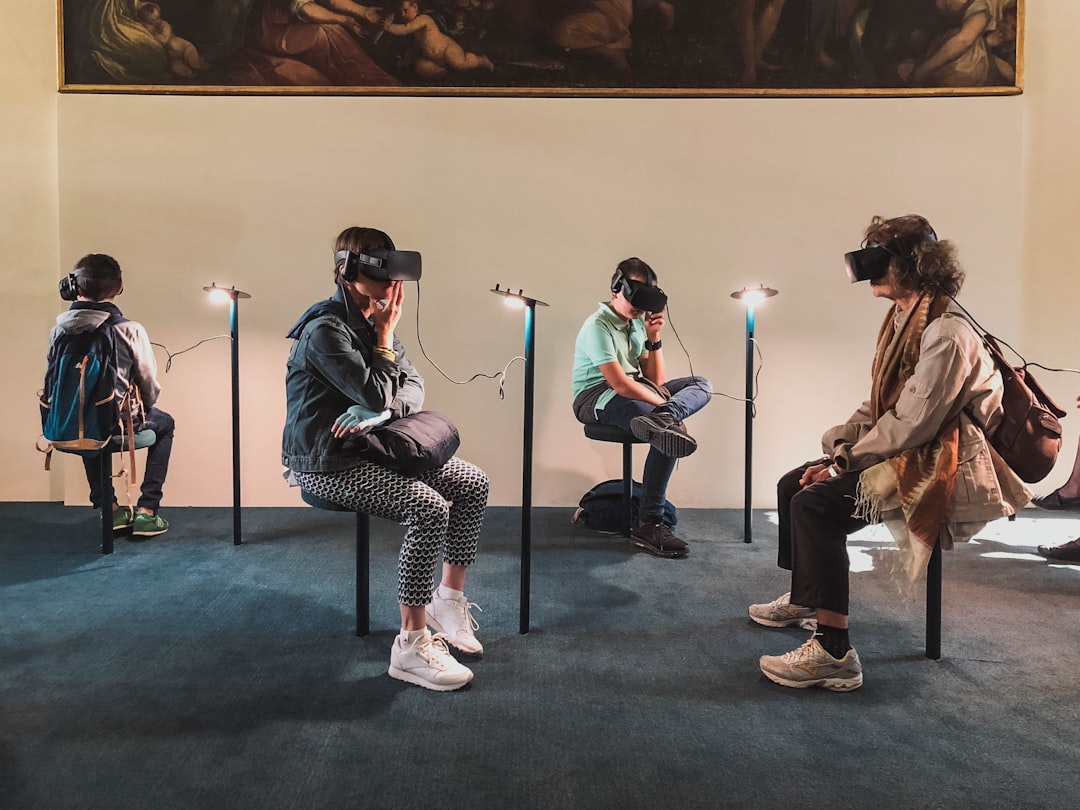
This can involve interactive tests, branching scenarios, or simulations that motivate students to actively engage with the material rather than just passively absorb it. In addition to increasing engagement, interactive content fosters critical thinking and problem-solving abilities. Organizations can create a more immersive learning environment by letting students explore various scenarios & make decisions based on their choices. This practical method encourages students to take charge of their education and develops a deeper comprehension of the subject matter.
Another effective strategy that can greatly improve training programs is gamification. Organizations can inspire students and foster a sense of achievement & competition by incorporating game-like components into the learning process. Leaderboards, badges, prizes, or challenges that motivate students to finish training courses and interact with the material can be examples of this. Gamification has advantages that go beyond motivation; it also encourages student cooperation.
People improve their teamwork abilities and foster relationships within the company when they cooperate to accomplish shared objectives or compete with one another. Gamified training is a useful tactic for companies trying to improve their training initiatives since it can also result in increased completion rates and better knowledge retention. Organizations must use mobile-friendly training platforms in an increasingly mobile world. Having access to training materials on mobile devices is essential for making sure that learning opportunities are available whenever and wherever they are needed, as many employees work remotely or are constantly on the go.
Mobile-friendly platforms make it easier for students to fit training into their hectic schedules by enabling them to interact with content whenever it is convenient for them. Also, by adding features like push alerts & reminders, mobile learning can improve engagement. These resources can remind students to finish modules or go over material they might have forgotten. Organizations can develop a more adaptable and accessible learning environment that meets the needs of contemporary learners by incorporating mobile technology into training programs.
A major development & learning trend is personalization, which acknowledges that every student has different needs and preferences. Organizations can make training more impactful & relevant by customizing the material for each learner. In order to provide tailored content that connects with students, this may entail evaluating their past knowledge, abilities, & learning preferences. Personalized instruction increases retention of information while also increasing engagement. Learners are more inclined to devote time and energy to their training when they perceive how the content relates to their particular roles or career objectives. Also, tailored content can assist in identifying skill gaps & offer focused resources to fill those gaps, eventually producing a workforce that is more competent.
Multimedia formats are another useful tactic for improving retention and engagement in training programs. Different people have different learning styles. While some people might benefit from auditory or kinesthetic experiences, others might prefer visual content.
Organizations can accommodate a range of learning styles by utilizing a variety of formats, including infographics, videos, podcasts, and interactive presentations. Also, multimedia content keeps students interested throughout the training process and helps break up monotony. For example, integrating interactive tests with video demonstrations keeps students’ attention while allowing them to apply what they’ve learned in real time. Organizations can design dynamic training experiences that connect with learners on several levels by utilizing multimedia formats.
Lastly, continuous improvement requires measuring and assessing the success of training initiatives. To determine whether their training programs are producing the intended results, organizations need to set up precise metrics. This can involve monitoring completion rates, using assessments to measure knowledge retention, and getting participant feedback on their educational experiences. Frequent evaluation enables organizations to pinpoint areas for development & modify their training initiatives as needed.
Organizations can improve their strategies to better meet the needs of their learners by analyzing data and feedback. In the end, a dedication to evaluating efficacy guarantees that training stays applicable and influential in a constantly changing environment. In conclusion, improving education in the digital era necessitates a multimodal strategy that takes into account the particular requirements of contemporary students. Organizations can develop engaging and successful training programs by knowing attention spans, utilizing interactive content, applying gamification strategies, leveraging mobile-friendly platforms, personalizing content, embracing multimedia formats, & measuring effectiveness. Our specialty at Designing Digitally is creating training programs that are specifically suited to the demands of your company.
Our team of professionals is committed to assisting you in navigating the intricacies of contemporary learning environments & developing training programs that have a significant impact & produce outcomes. Get in touch with us right now to find out how we can help you transform your training programs!