The Future of Learning: Creative Approaches to Employee Development Organizations must adjust to the changing needs of their workforce in the constantly changing field of employee training and development. At Digitally Designing, Inc. We recognize that there is no longer a one-size-fits-all solution. Personalized learning pathways, microlearning, gamification, mobile learning, virtual and custom digital training, social learning, adaptive learning, and data-driven design are just a few of the cutting-edge techniques we can use to build a dynamic learning environment that encourages development and engagement.
We will go into great detail about each of these tactics in this post, along with how they can improve learning initiatives within your company. Personalized learning paths are customized educational programs made to fit each learner’s particular requirements and preferences. At Digitally Designing, Inc.
For training to be effective, we think it is essential to comprehend the unique objectives, abilities, & learning preferences of employees. Organizations can guarantee that workers are not only engaged but also capable of assimilating and applying knowledge more successfully by designing personalized learning journeys. Assessing employees’ present skill levels and career goals is the first step in the process.
With the help of this data, we can create a curriculum that supports their objectives for professional growth. For example, we can design a set of courses on team dynamics, communication techniques, & management skills if an employee wants to move up into a leadership position. Personalized learning paths enable staff members to take control of their own development while guaranteeing that they gain the skills required for success by offering a clear road map for advancement.
Microlearning is a teaching approach that presents information in brief, easily assimilated chunks. This strategy works especially well in today’s hectic workplace, where staff members frequently find it difficult to find time for in-depth training sessions. At the company Designing Digitally. We use microlearning to develop short modules that concentrate on particular subjects or abilities.
This approach gives students on-demand access to information while also improving retention. We allow employees to learn at their own pace and review material as needed by dividing difficult subjects into digestible portions. For instance, brief films or interactive tests covering important product attributes or sales strategies could be helpful to a sales team. This adaptability guarantees that training is both effective and pertinent to the workforce’s immediate needs. Employee performance and productivity are enhanced as a result of their ability to swiftly apply what they have learned in practical situations.
In order to increase motivation and engagement, training programs can be gamified by adding elements of games. At Digitally Designed, Inc. We understand that because games are competitive & give players a sense of accomplishment, people are drawn to them by nature. By incorporating gamification into our educational programs, we foster an atmosphere where staff members are eager to engage and learn. By incorporating components like challenges, leaderboards, badges, and points, we can make routine training sessions engaging.
A compliance training module might, for example, have quizzes where staff members compete with their peers for the highest scores or receive points for accurate answers. This encourages team members’ camaraderie and makes learning fun. Organizations can increase engagement and knowledge retention by utilizing the intrinsic motivation that games offer. Mobile learning has become a crucial part of employee training in a time when smartphones & tablets are commonplace. Within Designing Digitally, Inc. Employees must have access to training materials at all times and locations, & we recognize that flexibility is essential.
We enable students to interact with content on their own terms by creating mobile-friendly learning solutions. Whether they are traveling for work, taking a break at the office, or commuting, mobile learning enables employees to fit training into their hectic schedules. With the help of our mobile-friendly platforms, students can access courses, videos, and assessments without encountering any technical difficulties.
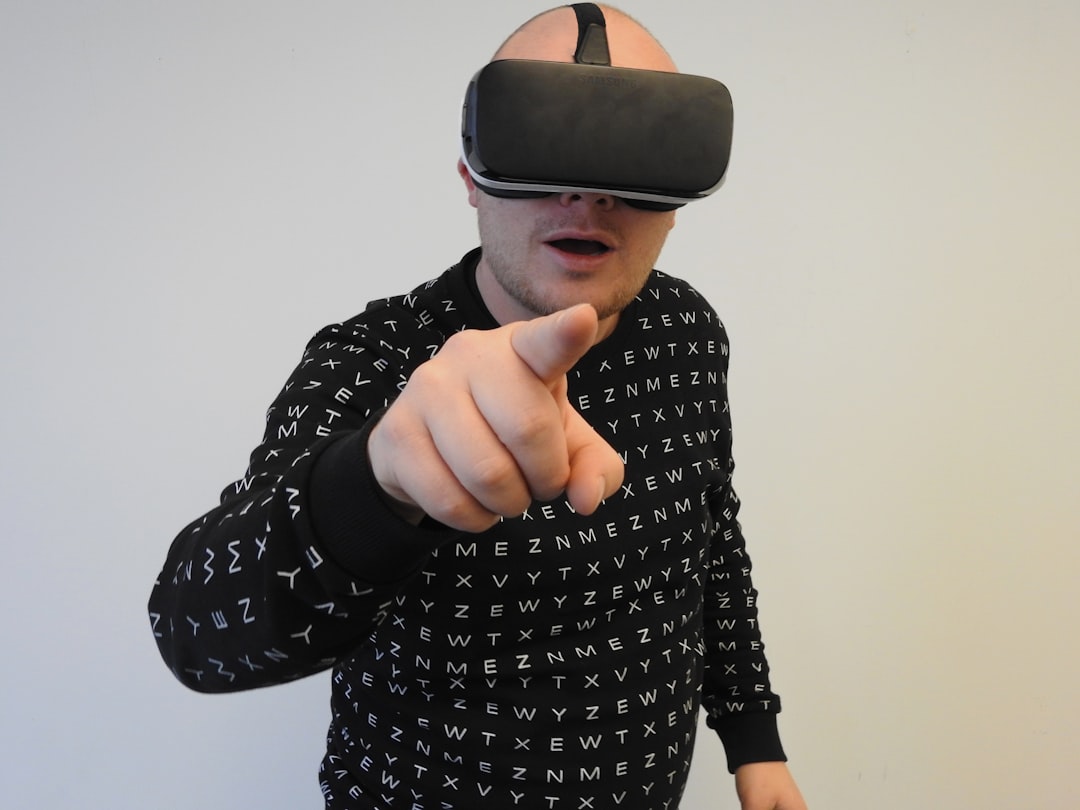
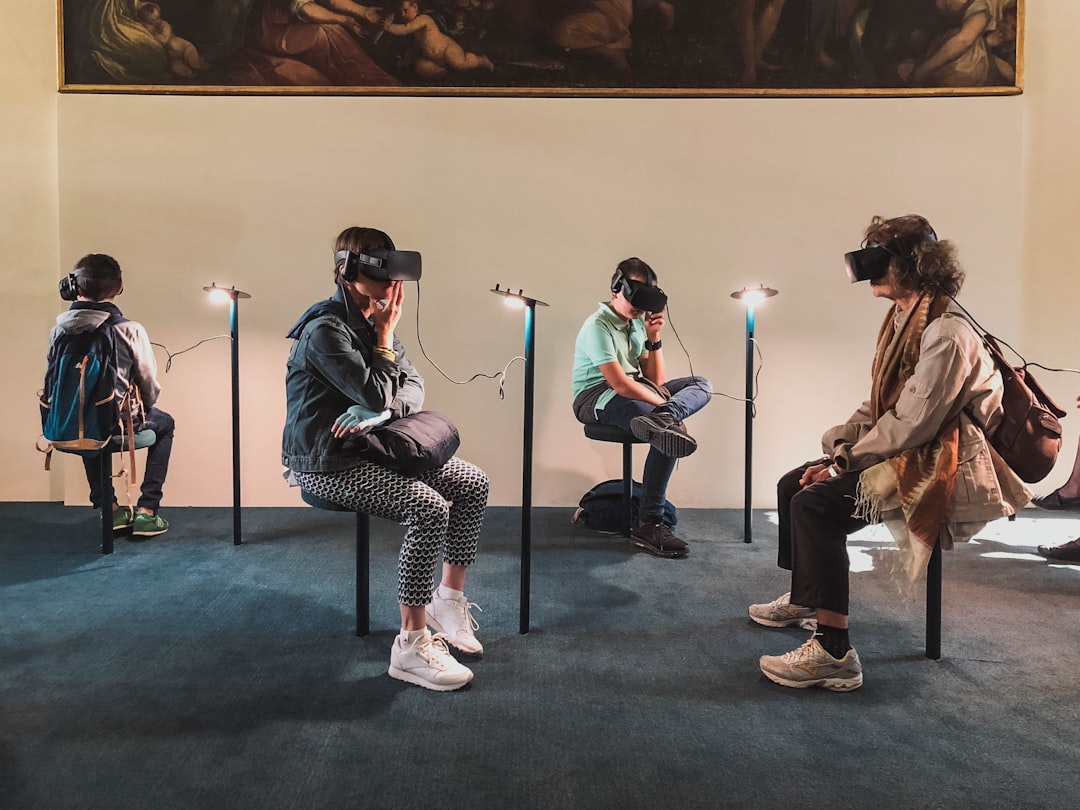
By enabling staff members to review content whenever they require a refresher, this accessibility promotes ongoing learning in addition to raising participation rates. By offering immersive experiences that improve learning outcomes, virtual reality (VR) and custom digital training (AR) are completely changing the way we approach employee training. At Digitally Designing, Inc. We use these state-of-the-art tools to develop lifelike simulations that let workers hone their skills in a secure setting.
VR, for instance, can be used for safety training in dangerous workplaces, allowing workers to safely experience real-life situations. By superimposing digital data on the real environment, custom digital training (AR) can also improve conventional training techniques. Consider a technician who is repairing machinery & uses AR glasses to get detailed instructions.
By enabling employees to learn through experience rather than passive observation, this hands-on approach not only increases confidence but also speeds up the learning process. We give organizations cutting-edge tools that promote deeper comprehension and skill mastery by integrating VR and AR into our training programs. Social learning highlights the value of peer cooperation & information exchange.
At the company Designing Digitally. We understand that conversations, criticism, & shared experiences are frequently the best ways for employees to learn from one another. We can establish an atmosphere where collaboration flourishes and knowledge is freely exchanged by cultivating a culture of social learning within organizations. We incorporate peer review systems, discussion boards, & cooperative projects into our training programs to put social learning strategies into practice.
For example, group assignments in an online course might require staff members to collaborate to solve real-world issues or exchange ideas about best practices. This fosters strong bonds between team members in addition to increasing engagement. Organizations can leverage the collective intelligence of their workforce & stimulate innovation by promoting social interaction during the learning process. Adaptive learning is a teaching strategy that customizes the learning process according to each student’s performance and development. At the company Designing Digitally.
We develop dynamic training programs that adapt in real-time to each learner’s needs by utilizing adaptive learning technologies. This guarantees that workers receive the appropriate degree of challenge and assistance during their learning process. For instance, the adaptive learning system can offer extra materials or different explanations catered to the employee’s learning style if they have trouble understanding a certain concept during an assessment. On the other hand, the system can expedite an employee’s advancement by introducing more complex content if they show mastery in a particular subject. By guaranteeing that every employee receives a customized experience that is in line with their particular requirements, this degree of customization not only increases engagement but also optimizes the efficacy of training.
Using analytics and metrics to guide the creation of training programs is known as data-driven design. At the company Designing Digitally. We think that using data effectively is crucial to developing learning solutions that achieve organizational objectives.
We can continuously improve our training offerings to make sure they have the greatest possible impact by examining learner performance data, feedback, and engagement metrics. For example, if data indicates that some modules have high dropout rates or low completion rates, we can look into possible obstacles and make the required changes to enhance user experience. Also, monitoring student progress over time enables us to spot patterns & opportunities for organizational improvement. Organizations can make well-informed decisions about their training programs & ultimately improve business outcomes by using a data-driven approach to design & implementation. In conclusion, adopting creative approaches that address the various needs of students is the key to the future of employee development.
At Digitally Designed, Inc. We are dedicated to assisting businesses in utilizing the potential of microlearning, gamification, mobile learning, virtual and custom digital training, social learning, adaptive learning, personalized learning paths, and data-driven design. By putting these strategies into practice, companies can develop interesting and successful training programs that enable staff members to flourish in their positions and promote overall company success. Allow us to accompany you as you work to change the learning culture of your company!