Personalized Learning: An All-Inclusive Approach to Education In the field of education, personalized learning paths are a revolutionary strategy that adapts the educational process to each student’s particular needs, interests, and skills. This idea departs from the conventional one-size-fits-all approach, acknowledging that each learner is unique and needs a tailored approach to succeed. By comprehending personalized learning paths, we can recognize how they enable students to take charge of their education, encouraging motivation and a sense of agency.
Personalized learning paths take a comprehensive approach to the learner’s journey and go beyond simply changing the speed of instruction. This involves taking into account their interests, learning preferences, and past knowledge. We can design more interesting and pertinent educational experiences by outlining customized pathways.
In exploring effective strategies for delivering personalized learning paths at scale, it is beneficial to consider case studies that highlight successful implementations. One such example can be found in the article detailing how Mercer utilized employee training games to enhance sales enablement. This case study illustrates the impact of interactive learning experiences on employee engagement and skill development, providing valuable insights for organizations looking to adopt personalized learning approaches. For more information, you can read the full article here: Mercer’s Employee Training Games.
In the end, this method promotes deeper comprehension and knowledge retention by encouraging students to set their own objectives, evaluate their progress, and actively engage in the learning process. As we examine how technology is incorporated into personalized learning, it becomes clear that digital tools are essential to enabling customized learning experiences. We can collect information on student performance, preferences, and engagement levels thanks to technology, which enables us to modify learning paths in real time. We can offer resources that are tailored to the individual needs of every learner with the aid of educational software and adaptive learning platforms, increasing the effectiveness and accessibility of education.
Also, technology helps teachers and students work together and communicate. Students can connect with peers who have similar interests or challenges through online forums, discussion boards, and cooperative projects. This fosters a sense of community among students in addition to improving the educational experience. We can ensure that every student has the chance to succeed by fostering an environment where personalized learning thrives through the effective use of technology. The core of successful personalized learning strategies is data-driven personalization.
We can find patterns and trends that guide instructional decisions by gathering and evaluating data on student performance. We can identify areas where students might be having difficulty & modify our teaching strategies in response thanks to this data-driven approach. For example, we can carry out focused interventions to meet the unique needs of a group of students who consistently perform poorly in a given subject area. Moreover, data-driven personalization is not limited to academic achievement.
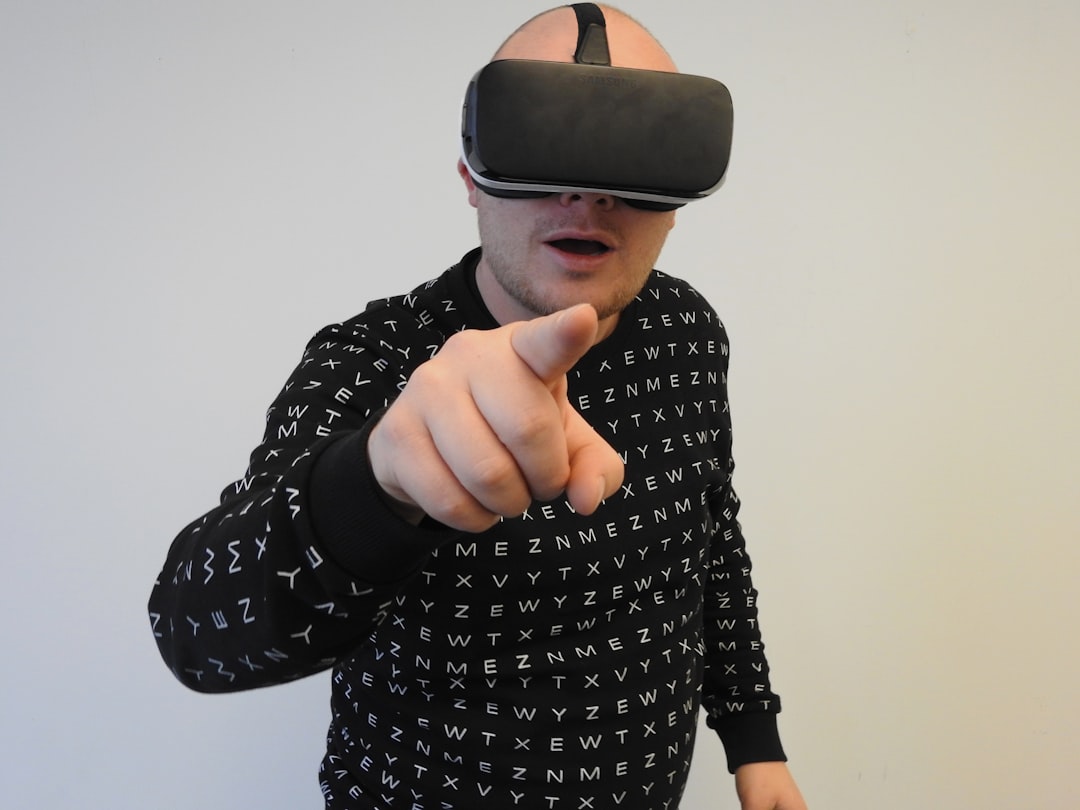
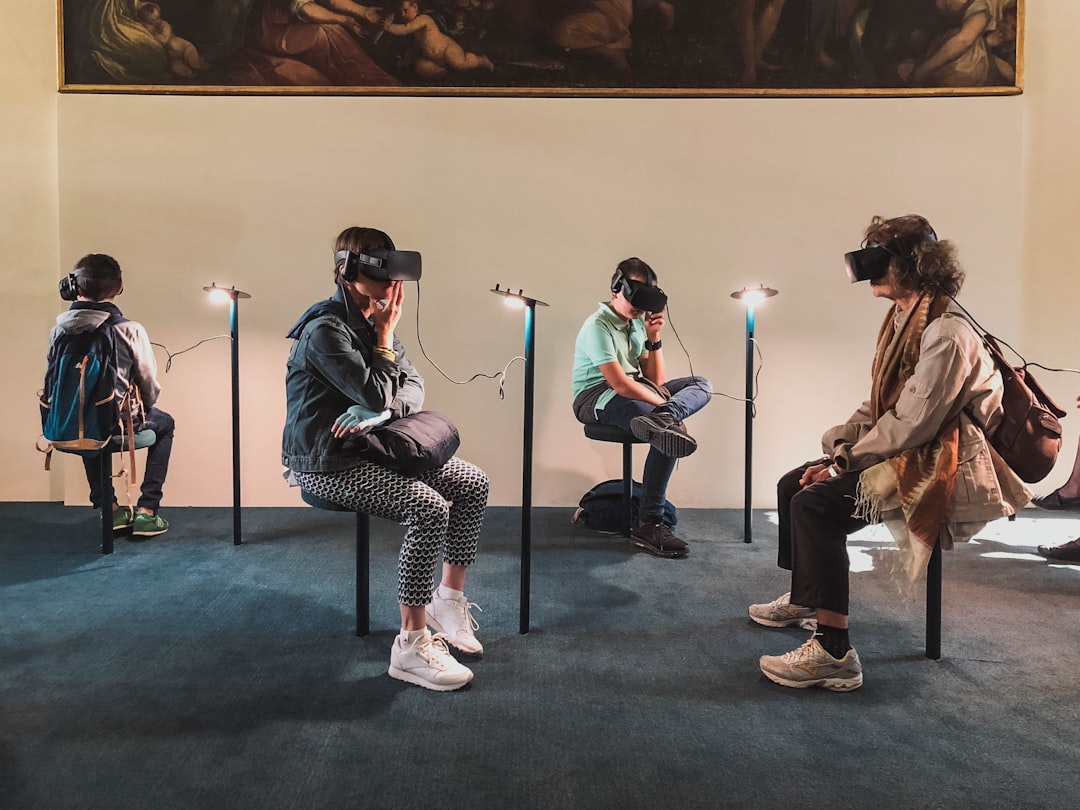
In the quest to enhance personalized learning experiences, educators are increasingly exploring innovative technologies. One such approach is the integration of virtual reality, which can create immersive learning environments tailored to individual needs. For insights on how virtual reality can be effectively utilized in educational settings, you can refer to this informative article on virtual reality in education. By leveraging these advanced tools, institutions can better deliver personalized learning paths at scale, ultimately improving student engagement and outcomes.
Also, we can learn more about the engagement and social-emotional health of the students. We can establish a more encouraging environment that promotes both academic achievement and personal development by taking into account the whole learner. This all-encompassing strategy guarantees that we are fostering the social & emotional facets of learning in addition to addressing academic difficulties. Personalized learning experiences require the creation of adaptive learning environments.
These settings are known for being adaptable and sensitive to the needs of specific students. We can create environments where every student feels at ease and involved by designing classrooms that take into account different learning styles & preferences. This could entail offering access to a variety of resources that suit different interests, utilizing technology for interactive lessons, or implementing different seating arrangements. Adaptive learning environments include instructional strategies as well as physical spaces.
By using differentiated instruction strategies, we can adapt our teaching strategies to the various needs of our pupils. This could entail giving students a variety of ways to master the material, offering a range of assessments, or letting them choose their projects & assignments. We can establish an inclusive environment where each student has the chance to succeed by embracing flexibility in our teaching methods. A key component of individualized education is self-paced learning, which enables students to take charge of their own educational paths.
Before going on to more difficult content, we allow students to fully understand concepts by letting them advance at their own pace. In addition to encouraging a deeper comprehension of the material, this method gives students a sense of accountability & independence. Self-paced learning also promotes intrinsic motivation. Students are more likely to interact with the content in a meaningful way when they are allowed to choose when and how they learn. This independence fosters a passion for education that goes beyond the confines of the classroom. In addition to encouraging students to set personal goals and evaluate their progress, it is our responsibility as educators to give them the tools and support they need to succeed in their self-paced pursuits.
We must assist educators in this endeavor in order to successfully implement personalized learning strategies. Opportunities for professional development that emphasize personalized learning strategies can give educators the abilities and information required to successfully modify their lessons. We can exchange creative ideas & best practices that improve students’ individualized learning experiences by encouraging a collaborative culture among educators. Giving teachers access to data analytics tools can also enable them to make wise choices regarding their methods of instruction.
Teachers can modify their instruction when they have access to real-time data on student performance and engagement levels. In addition to increasing the efficacy of personalized learning, this assistance increases teachers’ self-assurance in their capacity to address the various needs of their pupils. Although there is a lot of potential for personalized learning to revolutionize education, there are a number of obstacles to overcome.
Ensuring that all students have fair access to resources and technology is a major challenge. Disparities in access can frequently make personalized learning strategies less effective. It is critical that we address these disparities by giving underprivileged communities the resources and assistance they require as we strive to scale these initiatives. The requirement for educators to continue their professional development presents another difficulty.
Teachers need to stay up to date on new tactics and technologies that can improve their practice as personalized learning continues to develop. Putting money into extensive training programs will be essential to giving teachers the resources they need to successfully apply personalized learning in a variety of classroom settings. In order to fully comprehend the efficacy of personalized learning on a large scale, we need to develop reliable metrics for assessing its influence on student results. This entails evaluating social-emotional development and engagement levels in addition to academic performance.
We can obtain a thorough grasp of how personalized learning affects student success by utilizing a range of assessment techniques, including formative assessments, surveys, and observational data. In order to promote a shared understanding of the advantages of personalized learning, it is also crucial that we disseminate our findings to stakeholders, such as educators, administrators, parents, and legislators. We can promote ongoing funding for customized education programs by showcasing success stories & data-driven outcomes. In the end, assessing the effects of personalized learning on a large scale will help us improve our strategies and guarantee that each student has access to an education tailored to their individual needs. In summary, personalized learning is a paradigm shift in education that puts each learner’s unique needs first.
We can build an educational environment where every student has the chance to succeed by comprehending personalized learning paths, utilizing technology, putting data-driven strategies into practice, developing adaptive environments, empowering self-paced learners, assisting educators, overcoming obstacles in scaling initiatives, & successfully measuring impact. Let’s continue to be dedicated to creating a welcoming & encouraging environment that develops each learner’s potential as we move forward on this path toward personalized education.