Adaptive Learning: A Complete Overview Adaptive learning is an educational strategy that tailors the educational process to each student’s unique needs. Adaptive learning systems use technology to assess a learner’s pace, preferences, strengths, and weaknesses, enabling a more customized educational experience. This approach stands in stark contrast to conventional one-size-fits-all teaching methods, which frequently fall short of meeting the various needs of students.
Adaptive learning essentially aims to develop a customized learning environment that promotes participation and improves comprehension. As we learn more about the idea of adaptive learning, we see that it involves more than just changing how information is delivered. It includes a more comprehensive educational philosophy that puts the learner’s experience first.
In exploring the intricacies of adaptive learning systems, it is essential to consider how training simulations can enhance the learning experience. A related article that delves into this topic is available at Designing Digitally: Training Simulations, which discusses the effectiveness of immersive training environments in fostering engagement and retention of knowledge. This resource provides valuable insights into the application of adaptive learning principles within simulation-based training, highlighting the potential for personalized learning pathways.
Adaptive learning empowers students to take charge of their education by emphasizing personal growth & concept mastery. Because students are more likely to interact with content that speaks to their individual learning styles, this method not only fosters academic success but also a love of learning. Adaptive learning is fundamentally based on a dynamic feedback loop that continuously evaluates a student’s performance and modifies the learning path as necessary. Responses from students interacting with an adaptive learning platform are instantly analyzed.
In order to change the content that is shown to them, the system looks for patterns in their performance, such as areas in which they perform well or poorly. This could entail providing more resources for difficult subjects or going more quickly through content that the student has already mastered. Also, in order to accommodate diverse learning styles, adaptive learning systems frequently integrate a variety of instructional strategies.
For example, while auditory learners might find podcasts and discussions more useful, visual learners might benefit from infographics & videos. Adaptive learning guarantees that students stay motivated & involved throughout their educational journey by offering a variety of resources and activities catered to individual preferences. In addition to improving comprehension, this multimodal approach helps students develop a stronger bond with the subject matter. Adaptive learning systems’ development & operation depend heavily on artificial intelligence (AI). These systems can evaluate enormous volumes of data to spot patterns & forecast student performance by using machine learning algorithms.
Adaptive learning systems have gained significant attention for their ability to tailor educational experiences to individual needs, enhancing engagement and effectiveness. A related article that delves into innovative approaches in technology is available at Exploring Virtual Reality for Mental Health, which discusses how immersive technologies can be utilized to support mental well-being. This intersection of adaptive learning and virtual reality highlights the potential for personalized interventions in various fields, paving the way for more effective solutions.
This feature makes it possible to comprehend each learner’s needs more precisely, allowing the system to offer focused assistance and interventions. As AI develops further, its incorporation into adaptive learning platforms gets more complex, providing students with even more individualized experiences. Also, AI-driven analytics can assist teachers in understanding students’ overall performance in the classroom and pinpointing common problems they encounter. Teachers can fill in knowledge gaps and modify their methods of instruction by using this data to inform curriculum design and instructional strategies.
In exploring the intricacies of adaptive learning systems, one can gain further insights by examining the potential of immersive environments in education. A related article discusses how the metaverse is transforming corporate training and enhancing learning experiences. By integrating adaptive learning principles within these virtual spaces, organizations can create personalized training programs that cater to individual employee needs. For more information on this innovative approach, you can read the full article on unlocking the potential of metaverse learning in corporate training.
We can develop a more adaptable learning environment that not only helps individual students but also improves the general efficacy of teaching methods by utilizing AI. Students can benefit from adaptive learning in many ways. The customized approach it provides is one of its biggest benefits.
Before going on to more difficult material, each student can advance at their own speed to make sure they fully understand the concepts. In contrast to traditional classroom settings, where students may feel under pressure to keep up with their peers, this individualized attention helps students develop confidence & lessens anxiety. Also, students’ sense of agency is fostered by adaptive learning. We give them the freedom to choose how they interact with the material by letting them take charge of their educational journeys.
This independence fosters critical thinking and problem-solving abilities in addition to increasing motivation. Students gain the resilience and adaptability necessary for success in both academic and real-world settings as they navigate their individualized learning journeys. Adaptive learning is not without difficulties and restrictions, despite its many benefits. The dependence on technology and data analytics is one major issue. These tools raise concerns regarding data security and privacy even though they can offer insightful information about student performance.
Protecting student data is crucial because breaches could have detrimental effects on students and educational institutions. Also, the caliber of the algorithms and content employed in adaptive learning systems can limit their efficacy. The system as a whole may not achieve its objectives if the underlying content is poorly designed or if the algorithms are unable to evaluate student performance accurately. Also, some students run the risk of becoming unduly dependent on technology for their education, which could impair their capacity to participate in conventional study methods or peer collaboration.
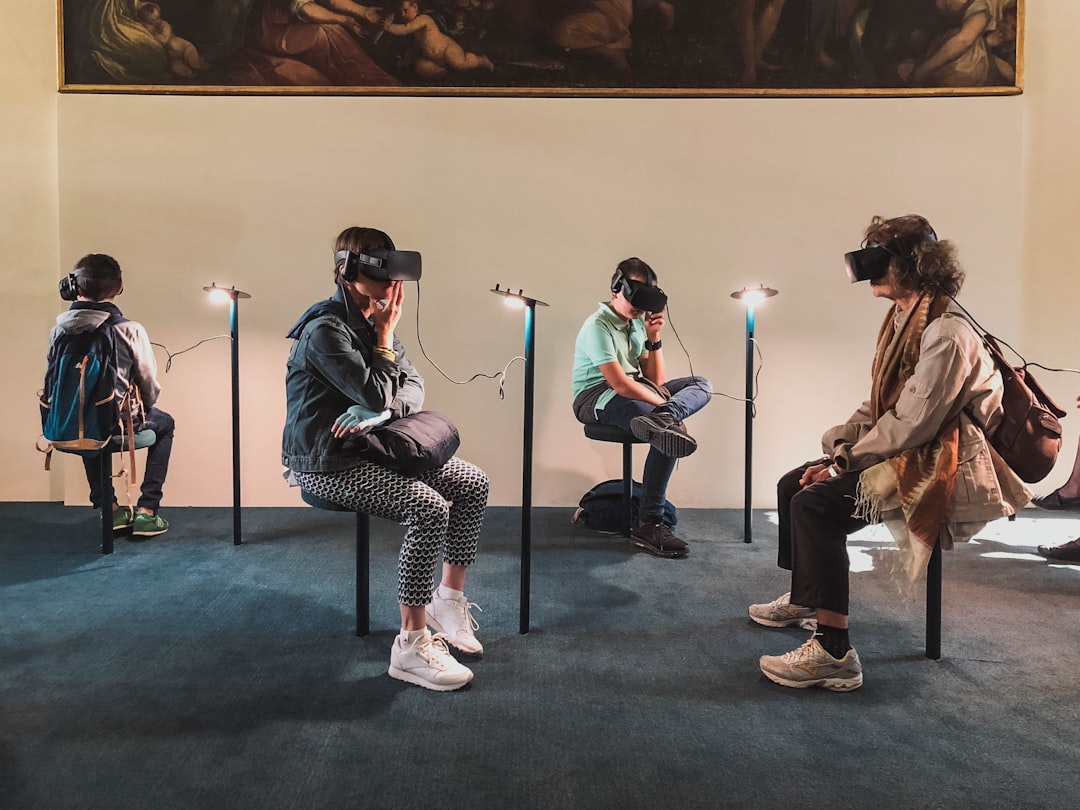
We anticipate major developments in adaptive learning technology in the future that will further improve its efficacy & accessibility. The incorporation of custom digital training (AR) & virtual reality (VR) into adaptive learning platforms is one promising development. These immersive technologies have the potential to produce dynamic, captivating educational experiences that accommodate different learning preferences and give theoretical ideas a practical context. Also, as AI develops further, we can anticipate even more complex algorithms that will raise the precision of adaptive learning systems’ evaluations and suggestions. As a result of this development, various educational platforms and tools will probably integrate more easily, forming a coherent ecosystem that helps students at every stage of their academic careers.
In the end, adaptive learning has a lot of potential to make education more individualized & successful for every student. It takes careful planning and thought to implement adaptive learning in educational settings. In order to integrate this approach into their curricula, educators must first & foremost evaluate their own goals & objectives. Making decisions about which adaptive learning resources and tools to use will be aided by an understanding of the particular needs of their student body.
In order to guarantee successful implementation, professional development for educators is also essential. The knowledge and abilities required to successfully incorporate adaptive learning technologies into their teaching practices must be possessed by educators. This could entail instruction on how to analyze data from adaptive systems as well as methods for creating a welcoming classroom atmosphere that promotes student involvement and agency.
The ethical issues surrounding adaptive learning systems must be addressed as we embrace their potential. Equal access to resources for adaptive learning is one of the main issues. Regardless of socioeconomic background or location, we must guarantee that every student has an equal chance to profit from these tailored educational experiences. Also, openness in the use of data is essential.
Teachers and organizations need to be transparent with parents and students about the ways in which data will be gathered, utilized, and safeguarded. Building a positive relationship between students and technology requires building trust in these systems. We can build an innovative, equitable, and responsible educational environment by giving ethical considerations top priority when developing and implementing adaptive learning systems. To sum up, adaptive learning is a revolutionary approach to education that can greatly increase student success and engagement. We can address issues with data privacy and equity while developing individualized learning experiences that meet each student’s needs by utilizing technology & artificial intelligence.
It is our duty to make sure that adaptive learning systems are applied carefully and morally as we head into an increasingly digital future, opening the door for a more effective and inclusive learning environment for all students.