Effective instructional design techniques are more important than ever in the constantly changing field of education & training. I work at Designing Digitally, Inc. as an employee learning and development specialist. I am aware that how we approach learning can have a big impact on acquiring new skills and retaining existing knowledge.
Instructional design is a methodical process that includes assessing learners’ needs, establishing precise goals, and producing interesting content that promotes learning. It goes beyond simply producing instructional materials. At Designing Digitally, we understand that instructional design approaches need to be customized to fit the particular requirements of every company and its employees.
We can assist you in developing audience-resonant, personalized learning experiences by utilizing our experience. Our team can help you navigate the complexities of successful instructional design, whether your goal is to create blended learning solutions, instructor-led training, or e-learning modules. There are several reasons why effective instructional design is so important. Above all, it makes learners more engaged. Learners are drawn in and encouraged to actively engage in the learning process when training materials are carefully crafted.
In order to create a supportive learning environment where people feel empowered to take in new knowledge and apply it in practical situations, this engagement is essential. Also, better knowledge retention results from well-designed lessons. Studies have demonstrated that when information is presented in an organized and significant manner, students are more likely to retain it. Through the use of techniques like spaced repetition, interactive components, and real-world applications, we at Designing Digitally can assist organizations in developing training programs that not only impart knowledge but also guarantee that learners retain it long after the training session has concluded. Modern approaches to learning and development have their roots in traditional instructional design strategies. The ADDIE framework—which stands for Analysis, Design, Development, Implementation, and Evaluation—is among the most well-known models.
By using a structured process that guarantees all facets of learning are taken into account, this methodical approach enables instructional designers to produce training programs that are effective. Traditional approaches, in addition to ADDIE, frequently involve printed materials like manuals and handouts as well as lecture-based instruction. Although these approaches are useful, they occasionally fall short in terms of interaction & engagement.
At Designing Digitally, we are aware of the shortcomings of conventional methods and work to improve them by incorporating contemporary strategies that accommodate a range of learning preferences and styles. As the digital era progresses, new approaches to instructional design have been developed to meet the evolving demands of students. Using microlearning, which entails presenting information in manageable chunks, is one such tactic. This method is especially useful for busy professionals who might find it difficult to find time for long training sessions because it lets students interact with the content at their own pace and review concepts as needed.
Including gamification components in training programs is another contemporary tactic. Organizations can make learning more interesting and inspiring by incorporating game-like elements like leaderboards, badges, and points. Our specialty at Designing Digitally is creating gamified training programs that foster healthy competition and teamwork among participants in addition to increasing learner engagement. These days, instructional design strategies are greatly influenced by technology. Organizations now have access to a multitude of tools that can improve the learning process thanks to developments in e-learning platforms, mobile applications, & virtual reality (VR).
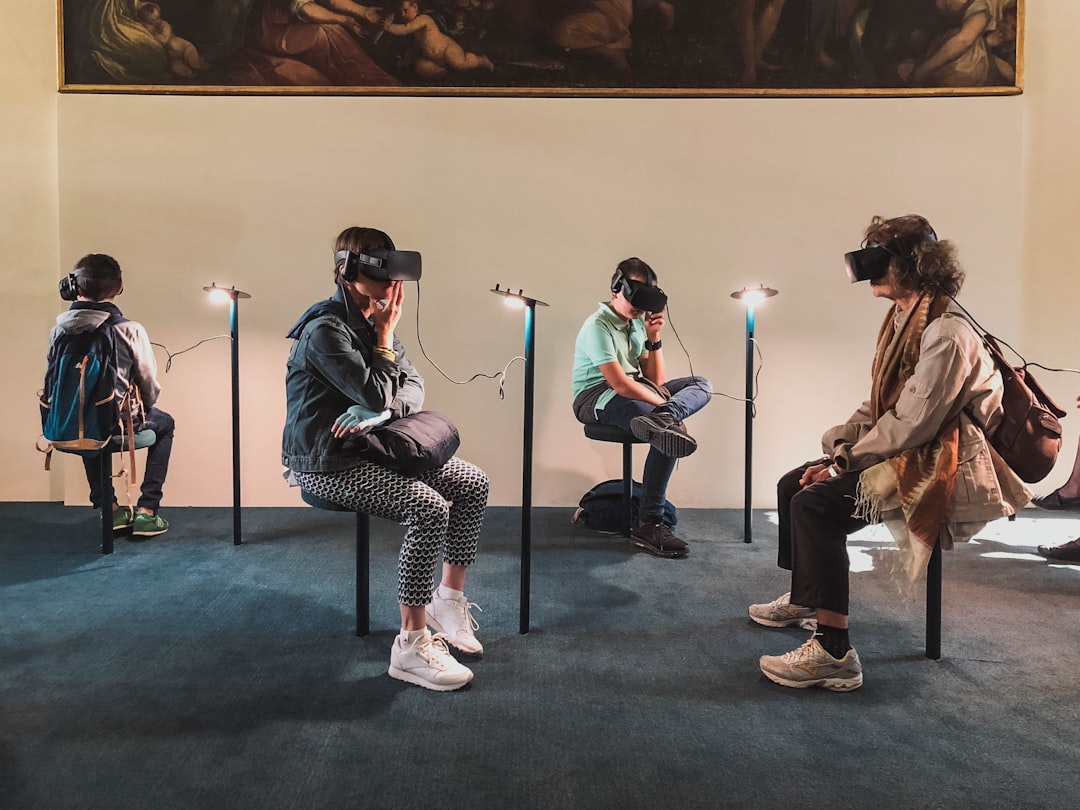
For example, asynchronous learning is made possible by e-learning platforms, which give staff members access to training materials at any time & from any location. Businesses with geographically dispersed or remote teams will especially benefit from this flexibility. Also, immersive learning experiences that can replicate real-world situations are provided by technologies like virtual reality (VR) and custom digital training (AR). With the use of these technologies, students can hone their skills in a secure setting before using them in the workplace. At Designing Digitally, we use technology to develop cutting-edge training programs that not only satisfy corporate objectives but also have a deeper impact on students.
It takes careful planning and execution to implement instructional design strategies that work. A comprehensive needs analysis should be carried out before creating any kind of training program. Stakeholder input should be gathered, present skill levels should be evaluated, & performance or knowledge gaps should be identified.
You can adjust your training programs by knowing the particular requirements of your company and its workers. Involving students in the design process is another best practice. You can learn a lot about the preferences and expectations of potential participants by asking them for feedback during the development phase. In addition to encouraging a sense of ownership among students, this collaborative approach raises the possibility that the finished product will successfully satisfy their needs. In order to make sure that our instructional design solutions complement our clients’ organizational culture and objectives, we at Designing Digitally place a high priority on working together with them.
It is crucial to use reliable evaluation techniques to make sure your instructional design strategies are producing favorable outcomes. Kirkpatrick’s Four Levels of Evaluation is a popular method that evaluates the efficacy of training using reaction, learning, behavior change, and outcomes. Organizations can learn more about the effectiveness of their training programs and pinpoint areas for improvement by measuring these levels. Also, employing data analytics can yield useful insights regarding student performance and engagement.
Organizations can assess the efficacy of their instructional design strategies by monitoring metrics like completion rates, assessment scores, and time spent on training modules. In order to enable our clients to continuously improve their training programs based on quantifiable results, we at Designing Digitally stress the significance of data-driven decision-making in our projects. It is evident that flexibility will be crucial in instructional design going forward. Because of the speed at which technology is developing, instructional designers need to be flexible and receptive to new concepts and approaches. Staying ahead in this fast-paced industry will require embracing new trends like the use of data analytics for continuous improvement or artificial intelligence (AI) in personalized learning experiences.
We at Designing Digitally are dedicated to assisting businesses in navigating this changing environment by offering creative instructional design solutions that are customized to meet their specific requirements. By working with us, you can make sure that your training initiatives are not only successful but also prepared for the opportunities & challenges that the field of employee learning and development will present. Together, we can design powerful learning opportunities that empower employees and promote organizational success.