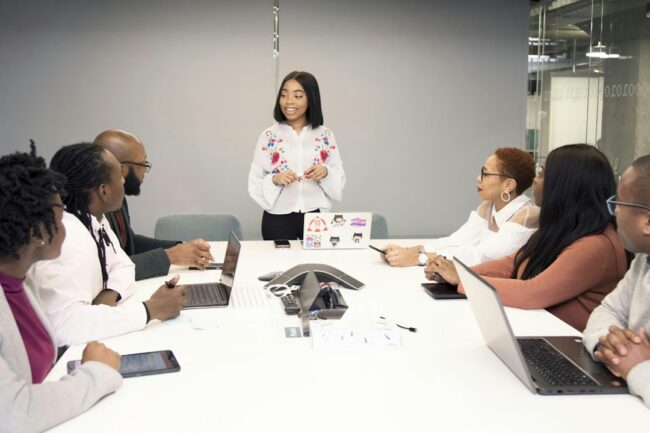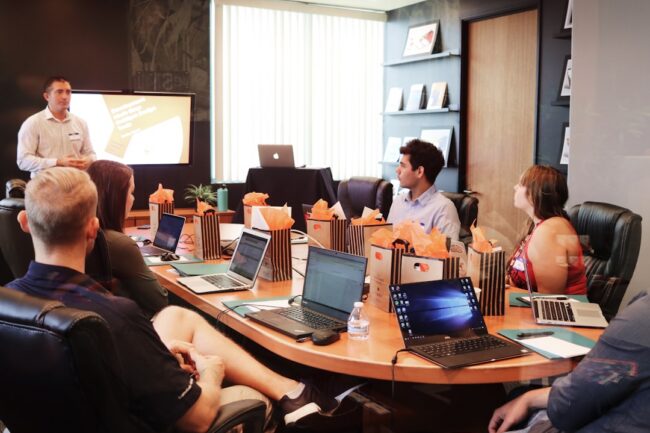
Understanding and Resolving Unconscious Bias in the Workplace Unconscious bias is the term used to describe the preconceived notions and automatic judgments that affect our decisions & perceptions without our conscious knowledge. These prejudices are shaped by our upbringing, experiences, and social influences, and they frequently cause us to form snap decisions about people based on their age, gender, race, or other traits. Organizations seeking to promote a fair and equitable workplace must comprehend unconscious bias. Everybody has biases, and admitting this is the first step in lessening their effects.
At Digitally Designed, Inc. We think that comprehending unconscious bias is essential to building a successful corporate culture, not just an academic endeavor. We can assist employees in identifying their own inclinations & how they might impact their interactions with coworkers by educating them about the nature of these biases. A commitment to inclusivity and more deliberate decision-making can result from this awareness, which will ultimately improve team dynamics & productivity. It takes a sharp eye and a willingness to examine one’s own actions and attitudes to spot unconscious bias in the workplace.
Conducting surveys or assessments to find out how employees feel about bias in the company is one useful strategy. Favoritism & exclusionary practices are examples of behavioral patterns that these tools can highlight but may not be immediately obvious. Also, seeing how people interact during meetings or group projects can reveal how biases appear in the moment. At Designing Digitally, Inc. We support the establishment of a secure environment where staff members can discuss their observations & experiences with bias.
Focus groups or open forums where people feel free to voice their concerns can help achieve this. Organizations can detect areas where unconscious bias may be impacting workplace culture and take proactive measures to address these issues by actively listening to employees and encouraging them to express their opinions. Once unconscious bias has been identified, the next step is to implement effective training programs that address these issues head-on. Employees should receive training that explains unconscious bias, how it affects judgment, and how to lessen its effects. Role-playing exercises, interactive workshops, and e-learning modules can all be especially useful for drawing participants in and encouraging a deeper comprehension of the subject.
Within Designing Digitally, Inc. We are experts at developing specialized training programs that meet the particular requirements of your company. In addition to increasing awareness, our training programs give staff members useful skills for identifying and overcoming their prejudices.
By using case studies and real-world examples, we make sure that participants can connect the training material to their daily experiences, increasing its impact and memorability. Developing an inclusive workplace necessitates a comprehensive strategy that celebrates diversity and advances equity rather than merely addressing unconscious prejudice. Every employee should feel appreciated, respected, and free to share their distinct viewpoints in an inclusive workplace.
This can be accomplished by putting in place hiring policies that encourage diversity, encouraging cooperation between diverse teams, and cultivating a sense of community. At the company Designing Digitally. We recognize that promoting inclusivity is a continuous effort rather than a one-time event. We collaborate with organizations to create plans that support inclusivity in all roles, from entry-level to leadership. By promoting candid conversations about diversity and inclusion, we assist companies in fostering an atmosphere where all workers feel free to express themselves and share their thoughts.
Bias can have a big influence on the hiring and promotion processes, which frequently results in a lack of diversity in organizations. Implementing structured hiring procedures that reduce the impact of unconscious bias is crucial to combating this problem. Standardized interview questions, diverse hiring panels, & blind recruitment strategies that prioritize skills over personal traits are some examples of how to do this.
At the company Designing Digitally. In order to guarantee equity & fairness, we help companies improve their hiring & promotion procedures. Our proficiency in creating training programs for hiring managers enables them to identify their prejudices and make better choices. Organizations can develop a more diverse workforce that is representative of the communities they serve by promoting an accountable culture in hiring & promotion procedures.
In order to combat unconscious bias in the workplace, it is essential to promote open communication. Workers should be at ease sharing their experiences with prejudice and offering input on company procedures. Establishing avenues for open communication can aid in the early detection of problems and foster a transparent culture. At Digitally Designing, Inc.
We urge companies to put in place regular feedback systems, like anonymous surveys or suggestion boxes, where staff members can express their opinions without worrying about repercussions. Also, teaching leaders how to actively listen to and address employee concerns can foster trust and show a dedication to resolving bias. Organizations can foster an atmosphere where all voices are respected and heard by placing a high priority on open communication.
Encouraging diversity and inclusion programs is crucial to establishing an environment where all workers are valued. Programs that celebrate diversity, like employee resource groups (ERGs), mentorship programs, and diversity training workshops, should be aggressively pursued by organizations. These programs foster a more inventive and creative workforce in addition to improving employee engagement. Within Designing Digitally, Inc. We collaborate with businesses to create customized diversity and inclusion programs that support their objectives & core values.
Our group can assist in creating initiatives that promote cooperation between diverse teams and offer chances for career advancement. Organizations can develop a more welcoming culture that draws top talent from a variety of backgrounds by funding diversity initiatives. Measuring and assessing the effects of training programs and initiatives is essential to ensuring that efforts to address unconscious bias are successful. Key performance indicators pertaining to diversity and inclusion metrics, employee feedback surveys, and pre- and post-training assessments can all be used to accomplish this.
At Digitally Designed, Inc. We stress how crucial it is to keep improving our training programs. By examining evaluation data, we can pinpoint areas that need improvement and modify our strategy accordingly. This dedication to measuring effectiveness guarantees that businesses are making significant strides in promoting an inclusive workplace and lowering unconscious bias.
In summary, addressing unconscious bias in the workplace is a continuous process that calls for dedication from all organizational levels. Organizations can develop an inclusive culture that benefits all parties involved by defining unconscious bias, recognizing its existence in the workplace, putting in place efficient training programs, building inclusive environments, addressing bias in hiring procedures, encouraging open communication, supporting diversity initiatives, and measuring effectiveness. At Digitally Designing, Inc. Because everyone flourishes when they feel appreciated and respected, we are committed to working with organizations on this path toward equity and inclusion.