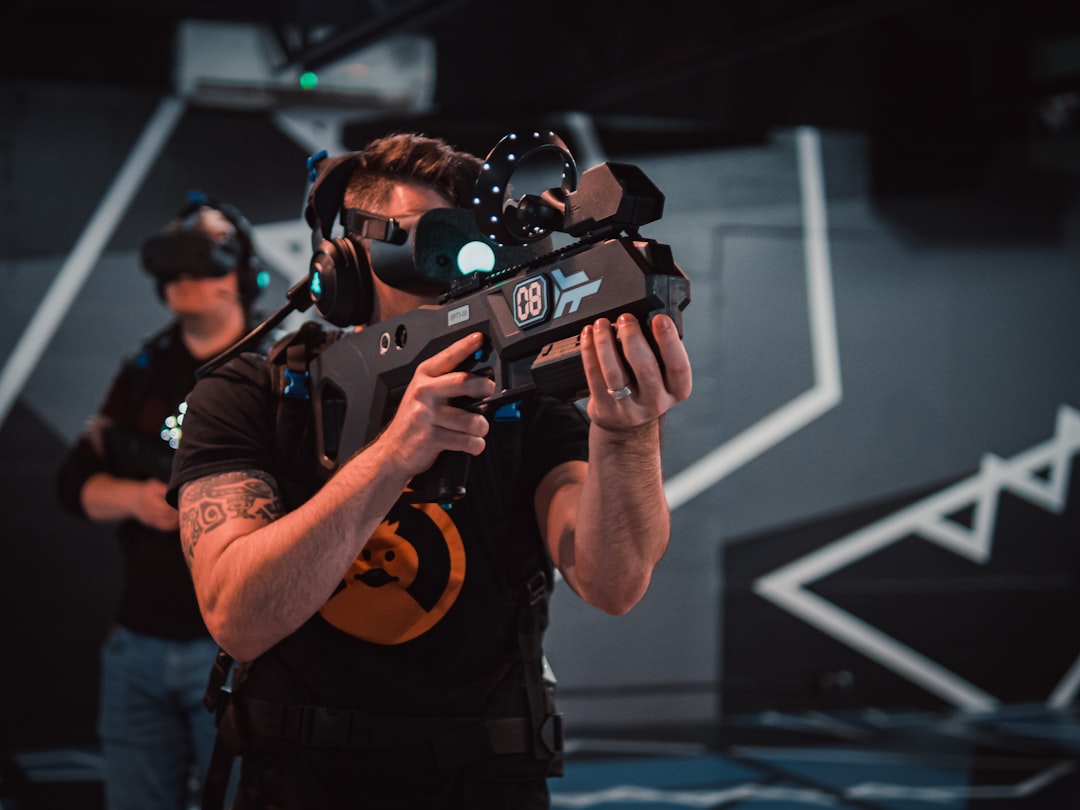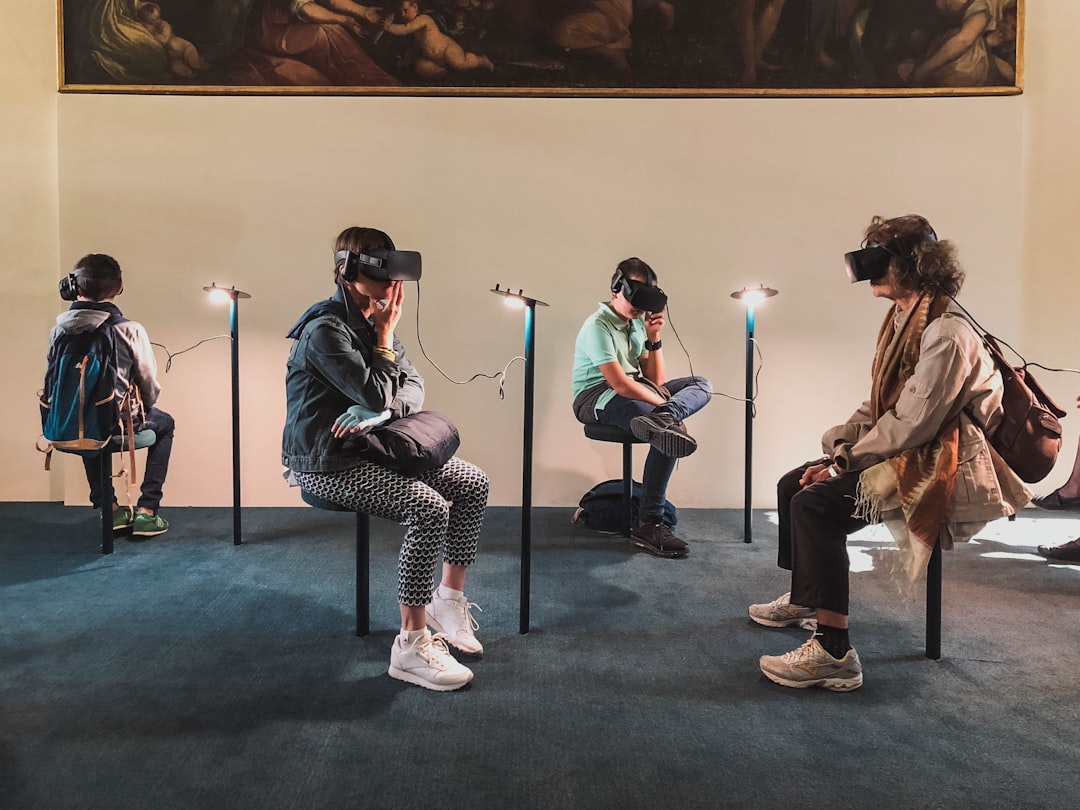
The Emergence of Immersive Training Simulations Technological advancements have played a major role in the recent transformation of corporate training. Immersion training simulations have become a potent instrument for companies looking to improve their training initiatives. These simulations use custom digital training (AR), virtual reality (VR), and other interactive technologies to create realistic, captivating environments where workers can practice scenarios and skills pertinent to their jobs.
The popularity of these immersive experiences is more than just a fad; it signifies a fundamental change in the way businesses handle learning and growth. Immersion training simulations are popular because they offer opportunities for experiential learning that are often absent from traditional training methods. Employees can actively engage in realistic scenarios that replicate real-world challenges rather than passively absorbing information through lectures or reading materials. This practical method not only increases student enjoyment but also promotes a deeper comprehension of the subject matter.
Innovative training programs that put an emphasis on engagement and effectiveness are made possible by the growing demand for immersive training solutions as organizations realize the benefits of experiential learning. The Effect on Employee Engagement Any organization’s success depends critically on employee engagement. Employees that are engaged at work are more dedicated, driven, and productive.
Because they hold students’ interest and promote active engagement, immersive training simulations have been shown to be revolutionary in this area. These simulations foster an environment where learners feel invested in their training experience by immersing workers in realistic scenarios. Increased enthusiasm for learning and a willingness to use new skills in the workplace are the results of this increased engagement. Also, employees are encouraged to collaborate and work together through immersive training simulations.
Many simulations are made to be played in groups, which promotes teamwork in problem-solving, communication, & strategy. In addition to increasing engagement, this collaborative element fosters team member camaraderie. Employees build stronger bonds and a sense of purpose as they collaborate to overcome obstacles in the simulation, which may lead to better performance at work. Improving Learning Retention & Application Improving learning retention and application is one of the main benefits of immersive training simulations.
According to research, experiential learning improves information retention over conventional approaches. Employees are more likely to retain what they have learned & successfully apply it in practical settings when they interact with the material in a hands-on way. Immersion simulations give students a secure environment in which they can practice skills without worrying about making mistakes, enabling them to try new things and gain knowledge from their mistakes. Also, gamification features like rewards and scoring systems are frequently included in immersive training simulations, which strengthen learning retention. Employees are encouraged to engage with the content more thoroughly when competition & rewards are introduced.
In addition to making learning fun, this gamified approach motivates students to practice skills and go over ideas again until they are mastered. Organizations can therefore anticipate a more competent workforce that is better able to overcome obstacles and promote success. Efficiency and Cost-Effectiveness Although the initial outlay for immersive training simulations may seem high, companies frequently discover that these solutions are economical over time.
Conventional training techniques can be resource-intensive, requiring large time & money commitments for instructor fees, materials, & travel. Immersion simulations, on the other hand, can be implemented at scale, enabling businesses to train a lot of workers at once without having to pay extra for each session. Also, the amount of time needed for training can be greatly decreased with immersive training simulations. Workers can fit learning into their schedules without interfering with productivity because they can finish simulations at their own speed.
In addition to saving time, this flexibility guarantees that workers retain knowledge better, which speeds up skill development and onboarding. Immersion simulations offer a compelling solution that strikes a balance between efficiency & effectiveness as organizations look for ways to maximize their training programs while cutting costs. Enhancing Critical Thinking and Decision-Making In today’s hectic business world, the capacity to make well-informed decisions fast is crucial.
Immersion training simulations give staff members the chance to practice making decisions in authentic situations that call for critical thinking and problem-solving. These simulations develop critical abilities that are applicable in the workplace by putting students in high-stakes scenarios where they must evaluate options, analyze information, and make decisions under pressure. Also, immersive simulations give workers the chance to see the results of their choices in a safe setting. Because of this instantaneous feedback loop, students can comprehend the consequences of their decisions without having to deal with actual consequences.
Employees gain a deeper comprehension of cause-and-effect relationships as they negotiate complex situations, which improves their capacity for critical thought and wise decision-making when confronted with obstacles at work. Developing Realistic and Difficult Scenarios: The success of immersive training simulations depends on their capacity to develop challenging and realistic scenarios that reflect the intricacies of the workplace. Organizations can make sure that workers are sufficiently prepared for real-world scenarios by creating simulations that mimic real-world job tasks and challenges. These situations, which can include everything from crisis management to customer interactions, give students a variety of experiences that broaden their skill sets.
Also, because immersive simulations are flexible, organizations can modify scenarios to fit particular training requirements. Customized simulations can be created to support organizational objectives, whether they are addressing industry-specific issues or concentrating on specific competencies. This degree of customization guarantees that workers receive pertinent training that directly relates to their positions, which eventually improves output and job satisfaction. Resolving Skill Gaps and Improving Performance: Organizations must constantly address skill gaps in their workforce as industries change and new technologies appear. One proactive way to find and close these gaps is through immersive training simulations.
Organizations can identify areas that require more training and create focused interventions to address those shortcomings by evaluating employee performance in simulated environments. Immersion simulations also offer a platform for continuous performance enhancement. Workers can improve their skills over time by participating in frequent practice sessions within the simulation. This approach to continuous learning not only improves individual performance but also helps the organization succeed as a whole.
Utilizing immersive training simulations can be a crucial tactic for developing a knowledgeable and flexible workforce as businesses aim for excellence in an increasingly competitive environment. The Future of Immersive Training Simulations The future of immersive training simulations appears bright as technology keeps developing at a never-before-seen rate. Artificial intelligence (AI), machine learning, virtual reality, and custom digital training are all poised to completely transform how businesses handle employee training. AI-driven simulations, for example, are able to adjust in real-time based on learner performance, offering challenges and feedback that are specific to each person’s needs.
Also, as remote work becomes more common, immersive training simulations present a workable way to provide geographically dispersed teams with efficient training. Employees from various locations can work together and learn together in virtual environments, which removes obstacles related to conventional training techniques. Immersion training simulations will become more and more important in determining the direction of employee development as businesses adopt this new era of remote work and digital transformation. To sum up, companies looking to boost employee engagement, increase learning retention, and successfully close skill gaps can benefit greatly from immersive training simulations. Businesses can develop dynamic training programs that equip their workforce for the challenges of the future by investing in these cutting-edge solutions.
Our specialty at Designing Digitally is creating immersive training programs that are specifically suited to the particular requirements of your company. Get in touch with us right now to find out how we can assist you in turning your training courses into memorable, productive experiences that produce outcomes!