# Custom eLearning Development: A Thorough Overview
In the fast-changing world of corporate training, custom eLearning development has become a key approach for organizations looking to boost employee abilities & expertise. This article examines the details of custom eLearning, covering its advantages, essential elements, connection to company goals, & upcoming developments.
## Custom eLearning development involves creating tailored online training programs that address the particular needs of an organization & its staff. Unlike pre-made options that often provide generic material, custom eLearning is crafted to tackle specific issues, sector demands, and company culture. This personalized method ensures the training is pertinent and engaging for workers, ultimately leading to improved knowledge retention and application. The creation process usually involves teamwork among instructional designers, topic experts, and stakeholders within the company. This joint effort ensures the content is both correct and in line with the organization’s learning aims.
By utilizing various multimedia features like videos, animations, and interactive tests, custom eLearning can offer a rich learning experience that connects with employees.
## A major benefit of custom eLearning is its capacity to deliver individualized learning journeys. Employees have varying learning styles and speeds; custom eLearning allows organizations to accommodate these differences effectively. For example, visual learners may gain from infographics and clips, while auditory learners might favor podcasts or narrated materials. This customized method boosts involvement and makes it more likely for employees to grasp & remember information.
Custom eLearning development is essential for creating effective employee training programs that cater to the unique needs of various industries. A related article that explores how tailored eLearning solutions can enhance workforce skills and engagement can be found at Designing Digitally. This resource provides insights into the benefits of personalized training experiences and how they can lead to improved performance and productivity within organizations.
Also, custom eLearning can result in notable cost savings over time. Although the upfront expense of building a custom program might be greater than buying off-the-shelf options, the long-term benefits often surpass these costs. Custom eLearning can be readily updated to reflect changes in company rules, industry norms, or tech advancements, cutting down on the need for frequent retraining sessions. This flexibility not only saves time but also ensures employees always have the latest knowledge.
## To develop a successful custom eLearning program, several critical elements should be considered. First is a clearly defined learning goal.
Clear objectives steer the development process & help ensure the content is focused & applicable. By determining what employees should know or be able to do after training, organizations can establish a more organized learning route. Another vital element is user experience (UX) design. A well-crafted interface that is straightforward and simple to navigate can greatly improve the learning experience. This involves making content usable on various devices, like smartphones and tablets, allowing employees to learn at their convenience.
Also, incorporating multimedia elements can make training more interesting and address different learning preferences.
## For custom eLearning to be genuinely effective, it needs to match the larger aims of the organization. This alignment ensures training programs directly support business goals, such as boosting productivity, improving customer service, or encouraging innovation. To achieve this, organizations should perform a thorough needs assessment before creating their eLearning content. Involving stakeholders from various departments during this analysis can offer useful insights into specific skill gaps & training needs.
Custom eLearning development plays a crucial role in enhancing employee training programs by providing tailored content that meets the specific needs of an organization. By focusing on interactive and engaging learning experiences, companies can significantly improve knowledge retention and skill application among their workforce. For further insights on how to effectively boost workplace skills through engaging training methods, you can explore this informative article on boosting workplace skills. This resource highlights various strategies that can complement custom eLearning initiatives, ensuring a well-rounded approach to employee development.
By grasping the organization’s strategic course & how employee training fits into that plan, custom eLearning programs can be designed to back key efforts. This alignment not only sharpens the training’s relevance but also shows employees how their growth contributes to the organization’s success.
## Engagement is a key factor in the success of any training program. Custom eLearning provides many ways to include interactive features that can greatly boost learner engagement.
These features may involve quizzes, simulations, branching scenarios, and gamification methods that promote active involvement. For example, adding quizzes at different points in the training can reinforce learning and offer instant feedback to learners. Simulations let employees practice skills in a low-risk setting, while branching scenarios allow them to make choices and view outcomes in real time. Gamification techniques, such as leaderboards & reward systems, can further inspire employees by introducing a competitive aspect to the learning process.
## In today’s data-focused world, using analytics is crucial for gauging the effectiveness of custom eLearning programs. By tracking key performance indicators (KPIs), organizations can gain insights into how well their training efforts are performing.
Metrics like completion rates, test scores, & learner comments can offer valuable information about a program’s strengths and weaknesses. Also, advanced analytics tools can detect patterns over time, enabling organizations to make data-driven choices about future training efforts. For instance, if analytics show that a specific module has low completion rates or high failure rates on tests, it might signal a need for content revision or extra support resources. By continuously watching & analyzing training data, organizations can keep their custom eLearning programs effective and up to date.
## Rolling out custom eLearning solutions requires thoughtful planning and execution to ensure success.
One good practice is to begin with a pilot program before launching the training across the whole organization. A pilot lets organizations test the content with a smaller group of employees, collect feedback, and make needed tweaks before full-scale use. Another good practice is to offer ongoing support and resources for learners after they finish their training. This might include access to extra materials, discussion forums with peers or instructors, or follow-up assessments to reinforce learning.
By fostering a supportive learning atmosphere that goes beyond the initial training session, organizations can encourage a culture of ongoing improvement and growth.
## As technology keeps advancing, several trends are influencing the future of custom eLearning for employee development. One standout trend is the growing use of artificial intelligence (AI) in personalized learning experiences. AI can examine learner behavior & preferences to offer tailored content suggestions, making training more relevant & effective.
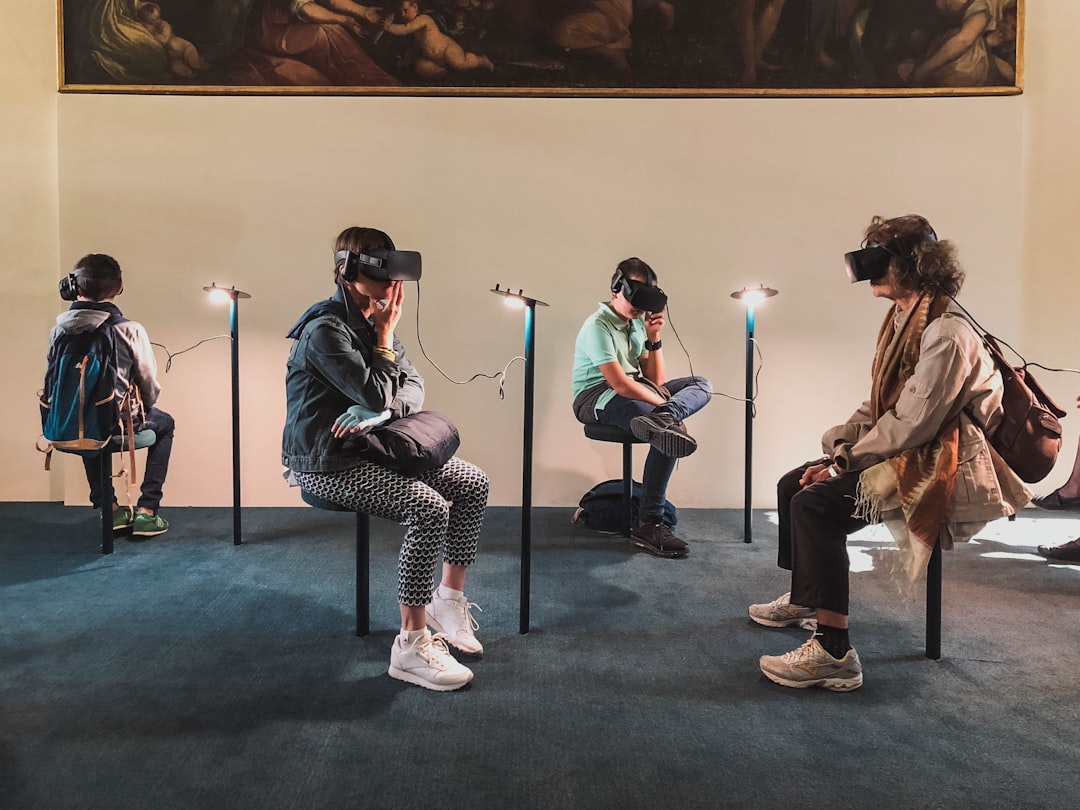
Another rising trend is the integration of virtual reality (VR) and virtual reality (AR) into eLearning programs. These immersive technologies provide unique chances for hands-on learning, letting employees practice skills in realistic settings without real-world risks. As these technologies become more available and affordable, their use in corporate training is likely to expand. In summary, custom eLearning development offers a strong chance for organizations looking to improve employee training and growth.
By understanding its advantages, key elements, and best practices while staying aware of future trends, companies can develop effective training programs that address both immediate needs and support long-term progress and success. As we move ahead in this digital age, investing in custom eLearning will certainly play a vital role in creating a skilled & adaptable workforce ready to face tomorrow’s challenges.