The Transformative Role of AI in Learning and Development Artificial intelligence (AI) has become a key force in changing a number of industries, including learning & development (LandD), as we navigate the quickly changing technological landscape. AI’s incorporation into educational frameworks is more than just a fad; it’s a fundamental change in the way we think about training & skill development. Organizations can develop more effective, interesting, and individualized learning experiences that meet the varied needs of their workforce by utilizing AI. As we investigate how AI affects L&D, we find that it provides creative answers to persistent problems. Conventional training approaches frequently find it difficult to keep up with the dynamic nature of contemporary workplaces. But AI gives us tools that can analyze enormous volumes of data, spot learning trends, and provide learners with content that is specifically tailored to their needs.
This article explores the many ways artificial intelligence (AI) is transforming learning and development, from automated grading and feedback to personalized learning pathways, ultimately improving employee engagement and performance. The ability of AI to design individualized learning paths for staff members is one of its biggest benefits in L&D. AI can suggest particular courses or resources that meet each learner’s particular needs by examining individual learning styles, preferences, and performance data. This degree of personalization increases employee engagement & speeds up the learning process because they are more inclined to spend time on content that speaks to them.
In exploring the transformative impact of artificial intelligence in the realm of Learning and Development, it’s essential to consider the importance of accessibility in eLearning. A related article that delves into this topic is “Creating Accessible eLearning: Tips and Strategies,” which provides valuable insights on how to ensure that AI-driven learning solutions are inclusive for all learners. You can read more about it here: Creating Accessible eLearning: Tips and Strategies. This resource complements the discussion on practical AI use cases by highlighting the necessity of designing learning experiences that cater to diverse needs.
Personalized learning pathways also help people feel more in control of their own growth. Employees are more motivated to pursue knowledge and skills that are pertinent to their roles when we give them the freedom to direct their own learning. These paths can be continuously modified by AI-driven platforms in response to real-time feedback and progress, guaranteeing that learners are both challenged & supported throughout their developmental journey. In a world where industry standards & job requirements are continuously changing, this flexibility is essential. Conventional grading and feedback techniques can be laborious and frequently subjective.
AI, however, could greatly expedite this procedure. By evaluating assignments and tests with exceptional accuracy, automated grading systems free up teachers and trainers to concentrate on more strategic facets of instruction rather than administrative duties. This effectiveness guarantees consistency in evaluation while also saving time. Also, learners can receive immediate feedback from AI, which is crucial for efficient skill development.
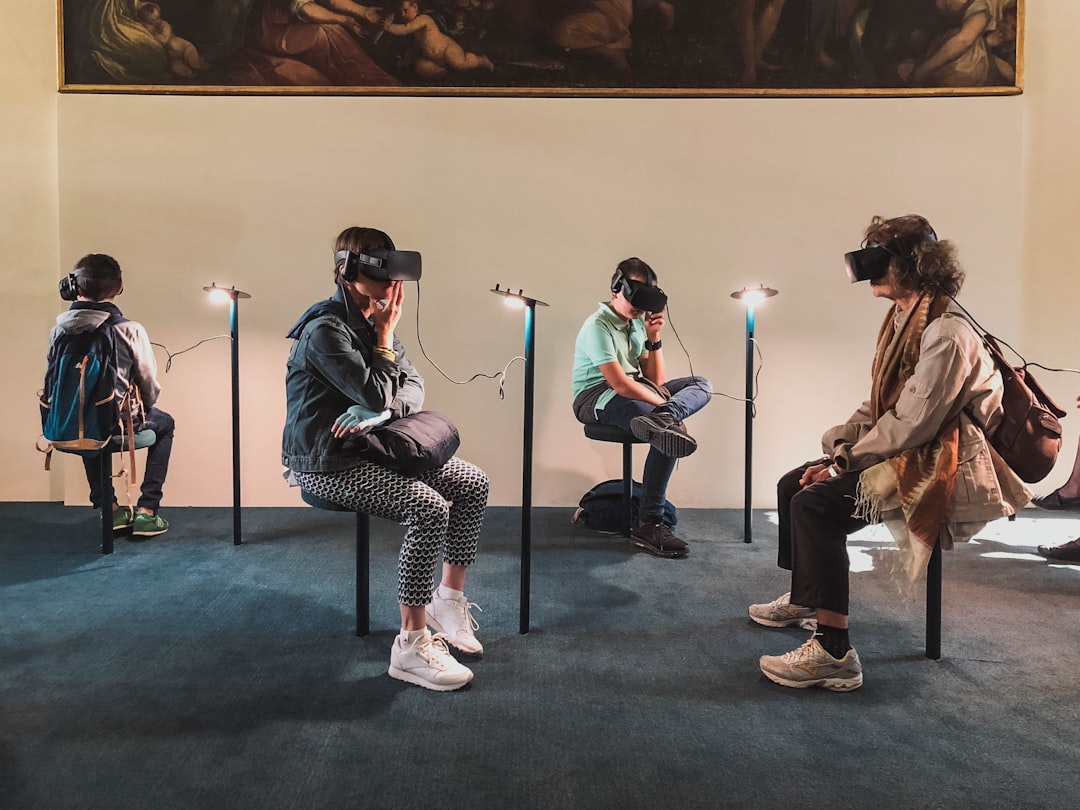
We can quickly make the required corrections and advancements when we receive timely insights into our performance. By encouraging students to accept challenges & grow from their errors, this instant feedback loop promotes a growth mindset. As a result, training programs are generally of higher quality, which benefits organizations and employees alike. Another area where AI is making major advancements in L&D is virtual reality (VR) and simulations. With the help of these immersive technologies, we can design realistic training environments where workers can hone their skills in a fun and safe environment.
In exploring the transformative potential of artificial intelligence in education, one can find valuable insights in the article about certification training in the equipment leasing industry. This piece highlights how AI-driven solutions can enhance learning experiences and improve training outcomes, making it a great complement to the discussion on practical AI use cases in learning and development. For more information, you can read the article here.
VR simulations, for example, allow students to experience high-pressure situations without the risks involved in industries like healthcare or aviation. The advantages of virtual reality training go beyond simple engagement; they also improve knowledge retention and application. Research has demonstrated that when compared to conventional approaches, experiential learning via simulations improves comprehension and memory of the material. As we adopt these technologies, we can develop more effective training programs that promote cooperation & teamwork while preparing workers for obstacles they may face in the real world.
Another effective use of AI in L&D is predictive analytics, which enables businesses to spot possible skill gaps before they become serious problems and predict employee performance trends. AI can offer insights that guide strategic choices about talent development by examining past data on worker performance, engagement levels, and training results. We are able to customize training programs to meet particular workforce needs thanks to this proactive approach. For instance, we can put in place focused training programs to close skill gaps if predictive analytics show that a certain team is having difficulty with a particular set of skills.
By utilizing data-driven insights, we improve individual performance as well as the success of the company as a whole. Having access to immediate assistance can be very beneficial in our pursuit of lifelong learning. In this sense, AI-powered chatbots have become indispensable resources, offering students prompt support whenever they face difficulties or have inquiries. These chatbots can help users navigate complicated procedures, offer resources, and respond to questions about course material.
Chatbots make learning more enjoyable by guaranteeing that assistance is only a click away. We are able to keep up our learning progress without needless delays thanks to this immediacy. Also, chatbots can collect information on typical questions and problems encountered by students, allowing businesses to improve their training materials and proactively handle reoccurring issues.
Personalized education has advanced significantly thanks to AI-enabled adaptive learning platforms. These platforms use algorithms to continuously evaluate students’ progress & modify the content. In order to provide resources that are appropriate for our current skill levels, these systems evaluate our interactions and performance metrics as we interact with them. This flexible approach makes sure that we are not bored by too-basic content or overwhelmed by too-advanced content.
Rather, we are given a personalized education that changes as we acquire new abilities. These platforms support an organization’s continuous improvement culture in addition to improving individual learning outcomes. Lastly, AI is transforming the way we develop training program curricula & produce content. AI can help educators create pertinent and interesting materials that meet learner needs & current industry trends by rapidly analyzing large amounts of data.
This feature guarantees that training programs are current & efficient in preparing workers for their positions. Also, by evaluating learner feedback and performance data, AI can assist in identifying gaps in current curricula. Organizations can improve their training programs to better serve their employees by identifying areas in which students struggle or show interest. In addition to improving the caliber of instructional materials, this iterative process encourages innovation in L&D divisions. Conclusions: It is evident that AI is a catalyst for change rather than merely a tool when we consider its revolutionary role in learning & development. AI enables us to develop more efficient & captivating training programs that meet the varied needs of our workforce, from automated grading systems to personalized learning paths.
By adopting these innovations, we put ourselves at the vanguard of a new educational era where lifelong learning is not only welcomed but also easily incorporated into our careers. To stay ahead in this quickly evolving world, we must constantly modify our methods for learning and growth. We can make sure that our training programs are not only pertinent but also effective in promoting development and success within our organizations by utilizing AI’s capabilities. Let’s embrace AI’s potential in L&D as a chance to advance our knowledge, boost productivity, and eventually promote organizational excellence.