AI-Driven Personalization in Corporate Learning Artificial intelligence (AI) has become a transformative force in the quickly changing field of corporate learning. AI-driven personalization has gained prominence as businesses work to boost learning outcomes and employee engagement. This creative method creates a more productive and interesting learning environment by customizing educational experiences to each learner’s particular needs and preferences.
We are able to design personalized learning pathways that align with each employee’s abilities, passions, and professional goals by utilizing data analytics and machine learning algorithms. As we learn more about AI-driven personalization, it becomes clear that this technology is essential in today’s corporate training environment rather than just a fad. A one-size-fits-all approach to learning is no longer practical given the growing diversity of the workforce and the wide range of skill levels among employees. Rather, we must embrace AI’s potential to provide tailored content that not only improves knowledge retention but also inspires staff members to take control of their own learning processes. Corporate learning can benefit greatly from AI-driven personalization. First and foremost, employee engagement is greatly increased by personalized learning experiences.
AI-driven personalization in corporate learning is transforming the way organizations approach employee training by tailoring educational experiences to individual needs and preferences. A related article that highlights innovative training solutions is available at Designing Digitally, which discusses how motion tracking technology and gamification are being utilized to enhance employee training programs. This integration of advanced technology not only improves engagement but also ensures that learning is more effective and aligned with the specific skills required for various roles within a company.
Learners are more inclined to devote time and energy to their training when they are exposed to material that fits with their interests and professional objectives. In the end, both the individual & the organization as a whole gain from this increased engagement since it leads to better knowledge application. Also, real-time evaluation and feedback are made possible by AI-driven personalization. Artificial intelligence (AI) systems can instantly identify areas where workers might be having difficulties by continuously evaluating learner interactions and performance data. We can dynamically modify learning paths thanks to this timely feedback, guaranteeing that staff members get the assistance they require when they require it.
Consequently, we are able to cultivate a culture of lifelong learning and continuous improvement in our companies. To successfully apply AI-driven personalization in corporate learning, one must comprehend how it operates. This method is fundamentally based on complex algorithms that examine enormous volumes of data to find trends and learner preferences.
AI systems can build comprehensive profiles for every employee by gathering information from a variety of sources, including prior training sessions, evaluations, and even social interactions. AI can suggest customized learning materials that meet each person’s needs once these profiles have been created. For example, the system can recommend relevant courses, articles, or mentorship opportunities if an employee shows a strong interest in leadership development. Also, AI can modify the learning process in real-time based on continuous performance metrics, guaranteeing that workers are constantly challenged but assisted during their educational journey.
AI-driven personalization in corporate learning is transforming the way organizations approach employee training, making it more engaging and effective. By leveraging data analytics and machine learning algorithms, companies can tailor learning experiences to meet the unique needs of each employee. This shift not only enhances knowledge retention but also boosts overall productivity. For a deeper understanding of innovative training methods, you might find it interesting to explore how virtual reality is revolutionizing employee training in this related article here.
Even though AI-driven personalization has many benefits, we must also recognize the difficulties in putting it into practice. Data security and privacy are major concerns. Ensuring the responsible and ethical handling of employee personal data is crucial as we gather and examine it. To foster trust, organizations must create explicit policies about the use of data and openly share these policies with their workforce. The possibility of algorithmic bias is another problem. AI systems may unintentionally reinforce preexisting biases in the training data if they are not closely observed.
AI-driven personalization in corporate learning is transforming the way organizations approach employee training and development, making it more tailored and effective. By leveraging data analytics and machine learning, companies can create customized learning experiences that cater to individual employee needs and learning styles. This not only enhances engagement but also improves retention of information. For further insights on optimizing employee onboarding processes, you can explore this related article on the expenses associated with new hire onboarding, which highlights the importance of effective training in maximizing workforce potential. Check it out here.
For some employee groups, this could result in unequal learning opportunities. Diversity in our data sets must be given top priority in order to reduce this risk, and algorithms must be regularly assessed to guarantee inclusivity & fairness in tailored learning experiences. We should follow a few best practices in order to fully utilize AI-driven personalization in corporate learning. First & foremost, it’s critical to begin with a thorough grasp of our company’s objectives and the unique requirements of our workforce.
We can create individualized learning experiences that complement both personal goals and corporate objectives by carrying out comprehensive needs assessments & getting feedback from staff members. For implementation to be successful, it is also essential to invest in a strong technology infrastructure. We need to make sure that our AI systems can handle massive amounts of data effectively & with high accuracy. Also, continual training on how to effectively use these technologies will improve the learning process for both trainers and employees. Analyzing successful AI-driven personalization in the real world can offer insightful information about how effective it is for corporate learning. One noteworthy example is a multinational technology corporation that improved its employee training initiatives by implementing an AI-powered learning platform.
The platform’s analysis of employee performance data & preferences allowed it to provide personalized content that greatly raised engagement levels. Consequently, the company reported a notable improvement in employee satisfaction and a 30 percent increase in course completion rates. A financial services company that used AI-driven personalization to support its compliance training programs provides another striking example. The company reduced compliance-related incidents by 40% by customizing training modules to address particular regulatory requirements pertinent to various departments.
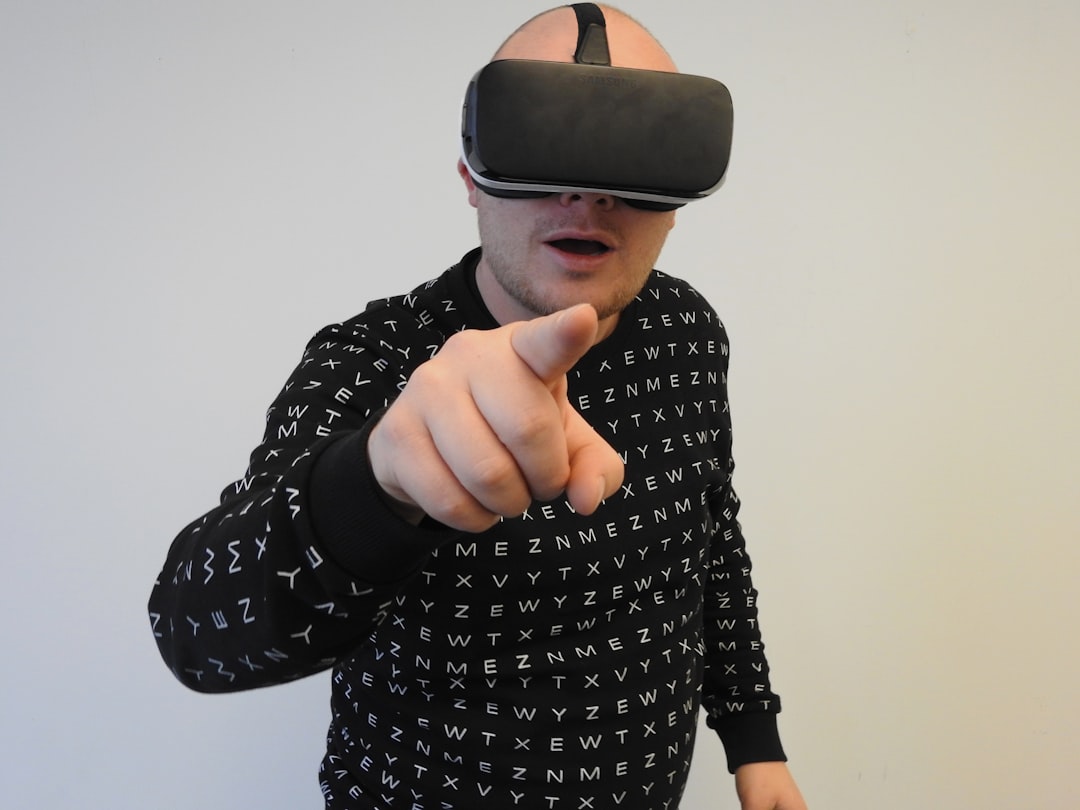
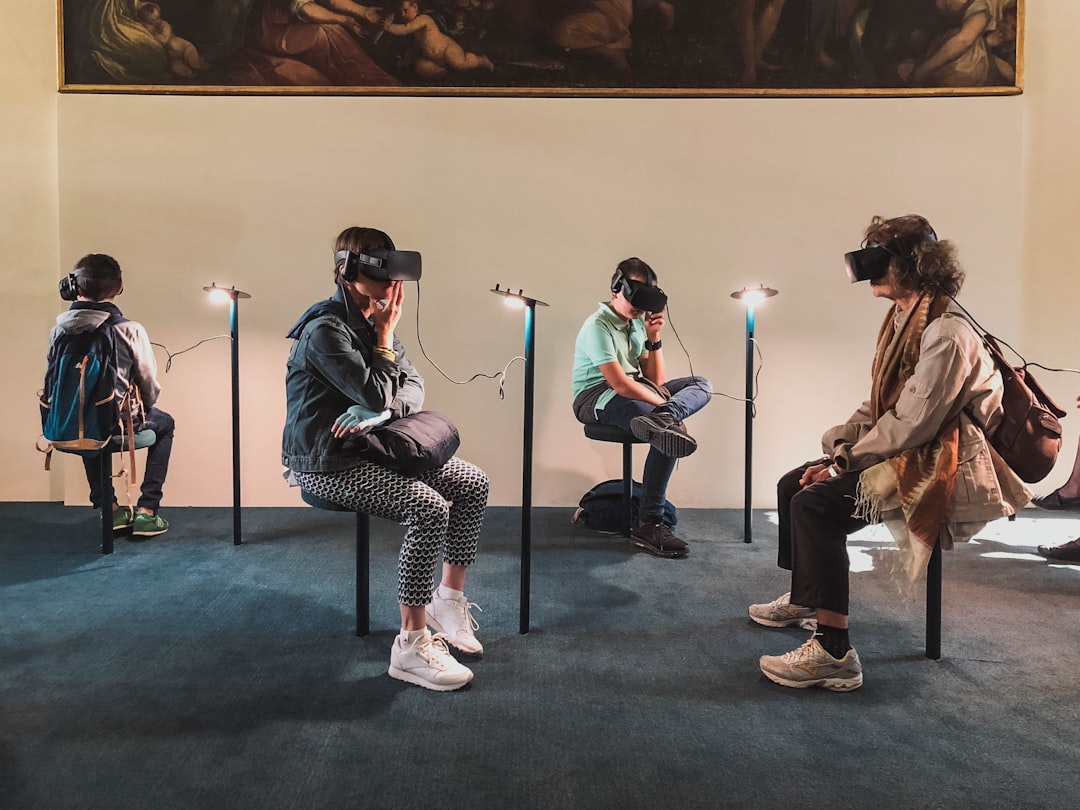
This example demonstrates how personalized learning improves knowledge retention while also producing noticeable business results. The future of AI-driven personalization in corporate learning is expected to be shaped by a number of emerging trends. The incorporation of augmented reality (AR) and virtual reality (VR) technologies into customized learning experiences is one new trend.
These immersive technologies have the potential to produce incredibly captivating training environments that accommodate a variety of learning preferences and offer lifelike simulations for skill improvement. Also, we expect improvements in natural language processing (NLP) capabilities to further improve customized learning. AI systems will be able to comprehend & react to learner queries more successfully with enhanced NLP algorithms, offering immediate assistance and direction throughout the training process. This development will create a more collaborative learning environment and give employees more control over their educational journeys. In summary, corporate learning strategies have advanced significantly with AI-driven personalization.
We can increase employee engagement, boost knowledge retention, and improve business outcomes by customizing educational experiences to each individual’s needs. As we adopt this novel strategy, we must be mindful of the difficulties it poses, especially with regard to algorithmic bias and data privacy. We must embrace best practices for successfully implementing AI-driven personalization as we enter a new era where technology continues to transform the workplace. By doing this, we can foster a culture of ongoing learning that enables staff members to advance professionally and contribute to the success of the company. With AI-driven personalization at its heart, corporate learning has a bright future ahead of it, opening the door to more engaging and significant learning opportunities for every employee.