The Evolution of Learning and Development: Adopting AI and Conventional Approaches As we explore the field of Learning and Development (LandD), it is becoming more and more evident that AI is changing the game. Artificial Intelligence (AI) is the umbrella term for a variety of technologies that allow machines to carry out tasks that normally require human intelligence, like making decisions, recognizing patterns, and comprehending natural language. In the context of L&D, AI can analyze vast amounts of data to personalize learning experiences, predict learner outcomes, and streamline administrative tasks. We are prompted by this transformative potential to reevaluate how we handle training and development in organizations.
We can build more flexible learning environments that meet individual needs by incorporating AI into our L&D strategies. For example, learners’ strengths and weaknesses can be evaluated by AI-driven platforms, which enables us to customize content. This individualized approach raises retention rates while also increasing engagement. As we examine the implications of AI in our training programs, it’s critical to understand that this technology is a potent supplement that can improve our overall training efficacy rather than just a replacement for conventional techniques. Even though AI is becoming more & more important in L&D, conventional training techniques are still very valuable.
In the ongoing debate of AI vs Traditional Training, L&D leaders must consider various factors that influence learner engagement and effectiveness. A related article that delves deeper into the types of enterprise learner engagement is available at Designing Digitally. This resource provides valuable insights into how different engagement strategies can complement both AI-driven and traditional training methods, helping organizations make informed decisions about their learning and development approaches.
The capacity to promote interpersonal relationships is one of the main benefits of traditional methods. Real-time communication between instructors and students during in-person training sessions promotes dialogue, feedback, and teamwork. By fostering rapport and trust among team members—a quality that is frequently hard to duplicate in a digital setting—these in-person interactions can improve the learning process. Also, practical learning experiences are frequently emphasized in traditional training methods.
Learners can practice skills in a controlled environment through workshops, role-playing games, & simulations. Because participants actively interact with the content rather than passively absorbing it, this experiential learning approach can result in deeper comprehension and knowledge retention. As we examine the advantages of conventional training techniques, it is critical to recognize their contribution to the development of a comprehensive educational experience that promotes both interpersonal relationships and useful skills. There are many benefits to incorporating AI into our training programs that can greatly improve the learning process.
The capacity to analyze learner data at an unprecedented scale is one of the most noteworthy advantages. We can make data-driven decisions about our training initiatives thanks to AI algorithms’ ability to sort through enormous volumes of data to find patterns and trends. By improving our content & delivery strategies, we can make sure that our workforce’s changing needs are being met. Also, by offering on-demand resources and assistance, AI can promote ongoing learning.
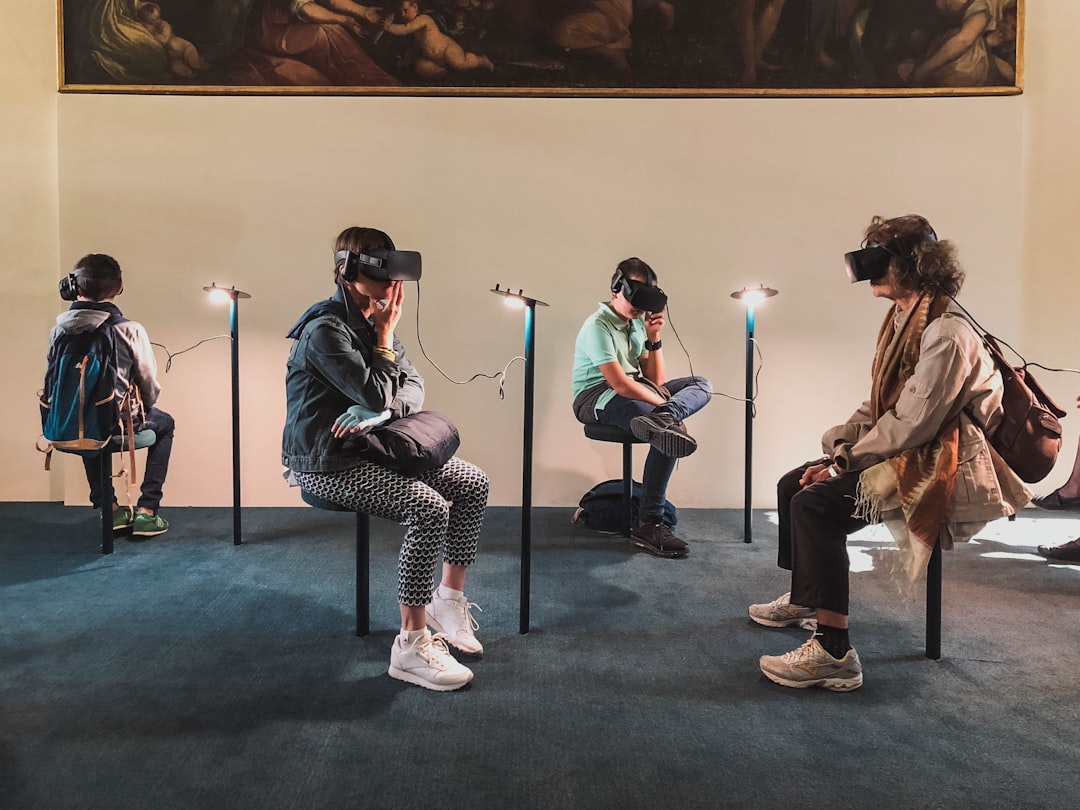
In the ongoing discussion about the benefits of AI versus traditional training methods, it’s essential for L&D leaders to explore various innovative approaches that can enhance employee learning experiences. One such approach is the use of virtual reality in training programs, which has been shown to significantly improve engagement and retention. For a deeper understanding of how virtual reality can ensure workplace safety and transform training practices, you can read more in this insightful article on safe VR training. This resource highlights the potential of immersive technologies in creating effective learning environments.
AI-powered chatbots and virtual assistants allow students to get help and information whenever they need it, encouraging a self-directed learning culture. This flexibility lessens the workload for L&D teams while enabling employees to take control of their own development. We can develop a more dynamic & responsive learning environment that adjusts to our organization’s needs by utilizing AI’s capabilities. The role of L&D leaders is becoming more and more important as we work to integrate AI into our training programs.
In the ongoing discussion about AI versus traditional training methods, L&D leaders can gain valuable insights from various sources. One such article explores the transformative impact of virtual reality in healthcare training, highlighting how immersive technologies can enhance learning experiences and improve outcomes. For those interested in understanding the broader implications of innovative training solutions, this article on revolutionizing healthcare through virtual reality offers a compelling perspective.
While promoting the use of AI technologies, these leaders must also make sure that their teams have the know-how to make the most of these resources. This entails cultivating a culture that welcomes innovation and change in addition to comprehending the technical aspects of AI. To develop successful AI-driven training solutions, L&D leaders must also place a high priority on cooperation between instructional designers & technology specialists. By collaborating, these experts can leverage AI’s potential while creating content that supports organizational objectives. In order to improve our training programs and ultimately propel organizational success, L&D leaders must continue to be proactive in investigating new technologies and approaches.
Even though incorporating AI into our training programs has a lot of potential advantages, we also need to be aware of the difficulties this shift will present. The resistance to change that frequently accompanies new technologies is one major obstacle. Workers may be reluctant to embrace AI-driven solutions out of concern that these technologies will replace their jobs or lessen the significance of conventional training techniques. In order to allay this worry, we must clearly explain the benefits of AI and show how it can complement human knowledge rather than take its place. Ensuring data security and privacy when using AI technologies is another challenge.
We must be careful to prevent breaches or misuse of sensitive information as we gather and examine learner data. As we incorporate AI-driven solutions into our training programs, establishing strong data governance policies and open practices will be crucial to fostering trust among stakeholders and employees. Finding a balance between cutting-edge technologies and conventional training techniques is essential as we investigate the incorporation of AI into our L&D strategies. Even though AI has many benefits, in-person conversations and practical experiences should still be valued.
Rather, we ought to strive for a hybrid strategy that integrates the advantages of both approaches. For example, we might think about combining traditional workshops for skill development with AI-driven assessments to determine individual learning needs. With this hybrid model, we can take advantage of AI’s efficiency & personalization while preserving the interpersonal relationships that are essential for successful learning. We can develop a thorough training program that satisfies a variety of learner needs and promotes a culture of continuous improvement by finding this balance.
The future of artificial intelligence in learning and development seems bright. We can anticipate even more advanced tools that improve our training initiatives as technology advances. For instance, improvements in natural language processing could result in more user-friendly chatbots that can offer real-time, individualized assistance.
Also, machine learning algorithms will probably get better at forecasting learner outcomes, which will enable us to anticipate possible problems before they happen. Also, AI will be crucial in enabling easy access to training materials regardless of location as businesses embrace remote work & flexible learning environments. This change will allow us to develop inclusive learning opportunities that support a culture of ongoing development while meeting the needs of a wide range of employees. It is crucial that we continue to be flexible and receptive to new ideas for improving our L&D initiatives as we envision this future environment.
L&D leaders should implement a number of best practices in order to fully utilize the potential of both AI and conventional training techniques. Prior to putting any new technology or training program into place, it is crucial to perform comprehensive needs assessments. We can effectively address knowledge or skill gaps by customizing our initiatives based on the particular needs of our workforce. For implementation to be successful, it will also be essential to cultivate a collaborative culture between L&D teams and technology experts. Together, we can create creative solutions that support company objectives while taking employee input into account all along the way.
Lastly, as we improve our training programs over time, continuous evaluation and iteration will be essential. We can make sure that our L&D strategies continue to be relevant and effective by regularly evaluating the success of our initiatives and making data-driven adjustments. In conclusion, fostering a culture of continuous improvement within our organizations will require embracing both AI technologies and conventional training methods as we navigate the changing landscape of learning & development. We can develop thorough training programs that enable staff members to flourish in a constantly evolving workplace by comprehending the distinct advantages each strategy provides and figuring out how to successfully integrate them.