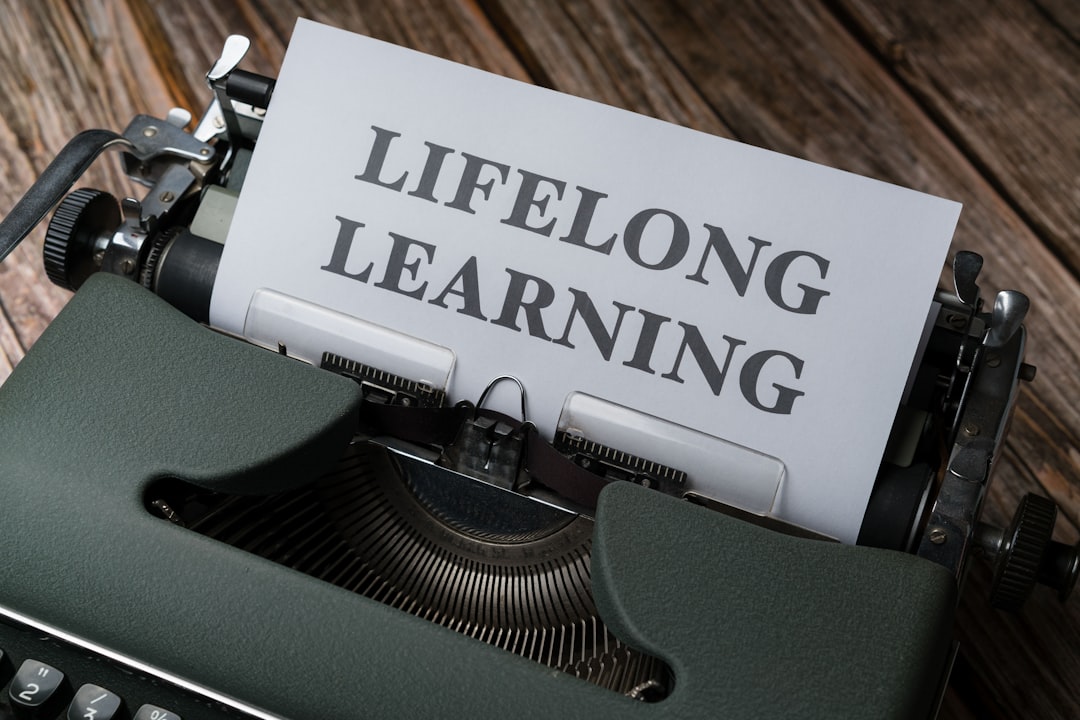
The Power of Lifelong Learning: Fostering a Culture of Continuous Growth Lifelong learning has become an essential part of both professional & personal development in today’s quickly changing technological landscape and shifting market conditions. The term “lifelong learning” refers to the ongoing, voluntary, & self-directed acquisition of knowledge and skills for professional or personal growth. This idea encompasses all types of learning that take place throughout a person’s career and life, not just formal education.
According to research, lifelong learning improves organizational resilience and adaptability while also strengthening individual competencies. Continuous learning capabilities are now crucial for both employees and organizations as industries change and new skill requirements arise. Businesses that put lifelong learning programs into place usually see increased employee engagement in professional development and higher rates of innovation.
The benefits of workplace lifelong learning programs, evidence-based implementation techniques, & strategies for promoting employee involvement in ongoing learning initiatives are all examined in this analysis. Promoting a culture of lifelong learning at work has many advantages. First off, companies that promote ongoing education frequently see a rise in worker satisfaction and engagement. Employees feel appreciated and committed to their jobs when they have the chance to learn new things and broaden their knowledge.
This feeling of accomplishment may result in increased retention rates, which would lower the expenses related to hiring and turnover. Also, employees who participate in lifelong learning are better prepared to handle change. The capacity to change course and adopt new technologies or approaches is crucial for success in the fast-paced business world of today. Organizations can make sure that their workforce is flexible and able to adapt to changing needs by encouraging a culture of continuous learning. In addition to improving individual performance, this flexibility strengthens the organization’s overall resilience.
Effective lifelong learning program implementation necessitates a strategic approach catered to the particular requirements of an organization. To find skill gaps and areas for workforce development, one important tactic is to carry out a thorough needs assessment. Organizations can create focused training programs that complement employee goals and corporate objectives by knowing the particular competencies needed for success.
Using technology to support learning is another successful tactic. E-learning platforms, webinars, and online courses give workers flexible options for skill development that they can access whenever it’s convenient for them. Also, adding social learning components—like group projects or peer-to-peer mentoring—can improve student engagement and promote a feeling of community. Organizations can accommodate various learning styles and preferences by offering a wide range of learning opportunities, which will ultimately increase participation and success. For lifelong learning programs to have the greatest possible impact, employees must be involved. Promoting a growth mindset within the company is one efficient strategy to boost involvement.
By sharing their personal experiences & highlighting the importance of ongoing development, leaders should set an example of a dedication to learning. Employees are more inclined to pursue knowledge themselves when they witness their leaders doing so. Organizations can encourage participation in lifelong learning initiatives by offering rewards and recognition in addition to leadership support. Encouraging employees to take charge of their learning journeys can be achieved through formal awards or informal shout-outs.
Also, fostering a collaborative culture and reinforcing the value of ongoing learning can be achieved by giving staff members the chance to impart their newly acquired knowledge to their peers. Organizations may face difficulties when promoting lifelong learning initiatives, despite the obvious advantages of doing so. One typical barrier is resistance to change; some workers may be reluctant to take advantage of new learning opportunities because they are uncomfortable with new ideas or are afraid of failing. Organizations should establish a secure workplace where staff members feel encouraged to pursue their educational goals in order to address this issue.
Offering tools like mentorship or coaching can reduce anxiety and promote involvement. Making sure staff members have the time & resources needed to participate in lifelong learning presents another difficulty. It can be challenging to strike a balance between professional obligations and personal growth, particularly in high-stress settings. By incorporating learning objectives into performance reviews or providing dedicated time for training, organizations can show that ongoing development is a top priority and lessen this problem.
Organizations should make use of a range of tools & resources intended to support skill development in order to effectively support lifelong learning initiatives. Learning Management Systems (LMS) are a great way to monitor staff development & give them access to a multitude of training resources. Online classes, tests, and even social forums where staff members can interact with one another can be hosted on these platforms. Partnerships with academic institutions or business leaders who can offer specialized training courses or workshops can also be advantageous for organizations.
Businesses can improve their internal offerings and guarantee that workers have access to cutting-edge knowledge and skills pertinent to their fields by working with outside resources. Organizations must develop metrics for assessing the impact of lifelong learning initiatives in order to fully comprehend their efficacy. Key performance indicators (KPIs) like productivity levels, retention rates, and employee engagement scores can offer important information about how well these initiatives are being received by the workforce. Qualitative information about employee experiences and opinions of their learning opportunities can also be gathered through surveys and feedback systems.
To find areas for improvement, organizations should also think about regularly evaluating their training initiatives. Businesses can make well-informed decisions about program modifications and resource allocation by examining data trends over time, guaranteeing the continued relevance and efficacy of their lifelong learning initiatives. Analyzing case studies of businesses that have successfully established cultures of lifelong learning can offer insightful information to those wishing to follow in their footsteps. Companies like Google, for example, have long been known for their dedication to staff development through programs like “20 percent time,” which permits workers to set aside a portion of their workweek for learning opportunities or personal projects. This strategy encourages creativity and gives workers the confidence to take charge of their own development.
In response to technological developments in the telecom sector, AT&T has made significant investments in reskilling its employees, making it another noteworthy example. AT&T has successfully transformed its workforce while retaining high levels of employee engagement and satisfaction by providing extensive training programs and forming partnerships with educational institutions. These case studies show that developing a culture of lifelong learning is not only feasible but also crucial for businesses looking to prosper in a constantly shifting environment. In conclusion, adopting a lifelong learning mindset is now essential for people & organizations hoping to succeed in the fast-paced world of today.
Organizations can develop a vibrant culture of continuous growth by comprehending its advantages, putting effective strategies into practice, involving staff, overcoming obstacles, utilizing tools, measuring impact, & taking inspiration from successful case studies. Our specialty at Designing Digitally is assisting businesses in creating customized lifelong learning initiatives that cater to their particular requirements. Contact us right now if you’re prepared to use cutting-edge training solutions to invest in the future of your workforce!