The Art of Onboarding: Crafting a Journey for Success Onboarding is more than just a formality; it is the gateway to an employee’s experience within an organization. A well-structured onboarding process can significantly impact employee engagement, retention, and overall productivity. In today’s competitive landscape, where talent is at a premium, understanding the importance of onboarding is crucial for organizations aiming to cultivate a thriving workforce. The onboarding process represents the initial experience for new employees & establishes expectations for their employment with the organization. Studies demonstrate that well-designed onboarding programs can increase employee retention rates by up to 82 percent and enhance productivity by more than 70 percent.
This introductory period extends beyond administrative tasks and basic orientation to encompass integration into organizational culture, values, and objectives. Organizations that allocate adequate time and resources to onboarding demonstrate their commitment to employee success & value. Also, onboarding significantly reduces the time required for new employees to achieve optimal performance levels. A systematic onboarding program provides new hires with essential tools, information, & professional networks needed to perform their responsibilities effectively.
This approach accelerates skill development while cultivating organizational engagement & loyalty. Thorough onboarding initiatives lay the foundation for long-term success for businesses and employees alike. Creating a seamless onboarding experience requires careful planning and execution. It begins with a well-defined strategy that outlines the objectives of the onboarding process.
Organizations should consider the various stages of onboarding, from pre-boarding activities that engage new hires before their start date to post-onboarding follow-ups that ensure ongoing support. Each stage should be designed to provide clarity, support, and engagement. A seamless onboarding experience also involves collaboration across departments.
To guarantee that new hires have access to the tools they require right away, HR, IT, and team leaders must collaborate. This includes everything from setting up workstations and providing necessary technology to introducing new employees to their colleagues & mentors. By fostering collaboration and communication among various teams, organizations can create a cohesive onboarding experience that leaves a lasting impression on new hires. In an increasingly digital world, leveraging technology in the onboarding process can enhance efficiency and engagement.
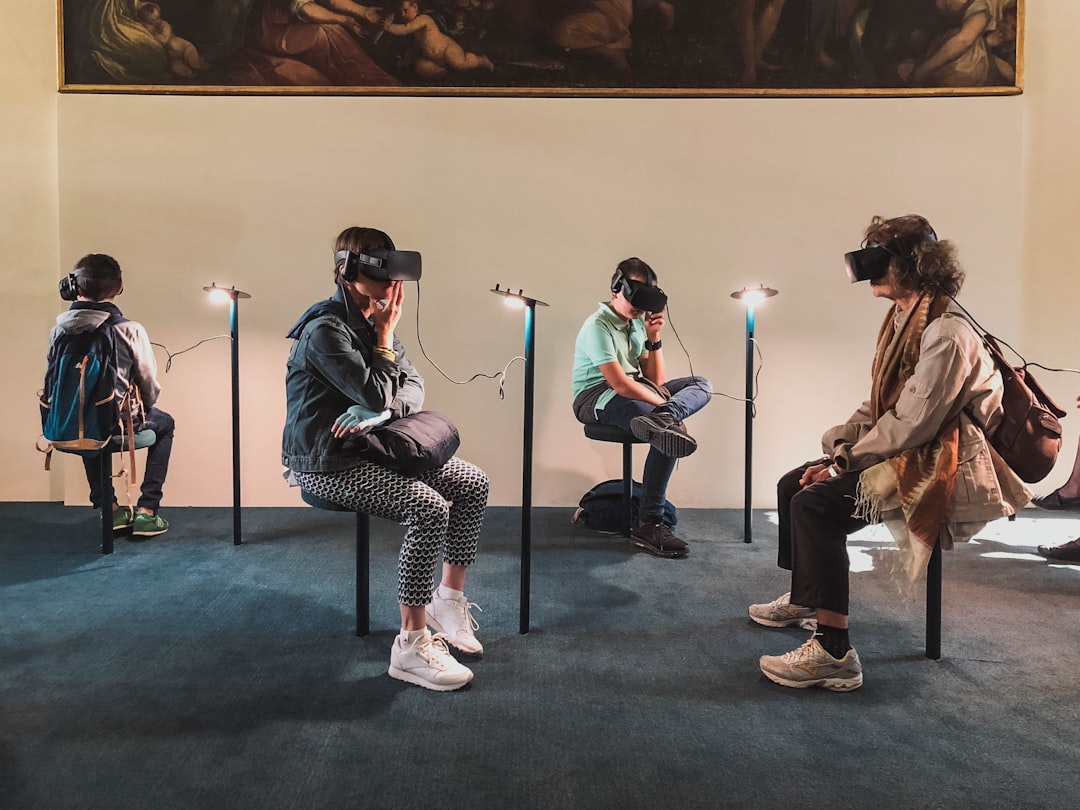
Learning Management Systems (LMS), virtual reality (VR), and mobile applications are just a few examples of how technology can streamline onboarding. These tools can facilitate interactive training sessions, provide easy access to resources, & enable real-time feedback. For instance, an LMS can host training modules that new hires can complete at their own pace, allowing them to absorb information more effectively. Virtual reality can simulate real-world scenarios that employees may encounter in their roles, providing them with hands-on experience without the risks associated with on-the-job training.
By integrating technology into the onboarding process, organizations can create a more engaging and effective experience that resonates with today’s tech-savvy workforce. Personalization is key to making new hires feel valued and understood. A one-size-fits-all approach to onboarding can lead to disengagement and frustration. Instead, organizations should strive to tailor the onboarding experience to meet the unique needs of each employee.
This can be achieved through personalized welcome messages, customized training plans, & mentorship programs that align with individual career goals. Also, understanding the diverse backgrounds and experiences of new hires can help organizations create a more inclusive onboarding process. By acknowledging & celebrating differences, companies can foster a sense of belonging among employees from various backgrounds. Personalization not only enhances the onboarding experience but also contributes to higher levels of engagement & retention in the long run. Onboarding is just the beginning of an employee’s journey; fostering a culture of engagement and retention is essential for long-term success. Organizations should prioritize creating an environment where employees feel motivated, supported, and connected to their work.
This involves promoting open communication, recognizing achievements, and providing opportunities for professional development. Engagement initiatives can take many forms, from regular check-ins with managers to team-building activities that strengthen relationships among colleagues. Employers can foster a sense of commitment and ownership among their staff by actively involving workers in decision-making processes and promoting feedback. Ultimately, fostering a culture of engagement not only enhances employee satisfaction but also drives organizational success. To ensure that onboarding programs are effective, organizations must establish metrics for evaluation.
Key performance indicators (KPIs) such as employee retention rates, time-to-productivity, & employee satisfaction scores can provide valuable insights into the success of onboarding initiatives. Regularly assessing these metrics allows organizations to identify areas for improvement & make data-driven decisions. Surveys & feedback sessions with new hires can also offer qualitative insights into their onboarding experiences. Understanding what worked well and what could be improved helps organizations refine their processes over time. By measuring the effectiveness of onboarding programs, companies can ensure that they are continuously evolving to meet the needs of their workforce. Feedback is a powerful tool for continuous improvement in any organization.
Incorporating feedback from new hires into the onboarding process allows companies to adapt and enhance their programs based on real experiences. This could involve conducting exit interviews with employees who have recently completed their onboarding or implementing regular check-ins during the first few months of employment. Creating an open feedback loop encourages new hires to share their thoughts on what aspects of the onboarding process were beneficial and which areas need refinement.
By actively listening to employees’ experiences and suggestions, organizations can make informed adjustments that lead to a more effective onboarding process. Continuous improvement not only enhances the experience for future hires but also demonstrates a commitment to employee development. The rise of remote and hybrid workforces has transformed traditional onboarding practices. Organizations must adapt their strategies to ensure that remote employees receive the same level of support and engagement as those in physical office spaces.
This requires leveraging technology to create virtual onboarding experiences that are interactive and engaging. Virtual onboarding sessions can include live webinars, video introductions from team members, and online training modules that allow remote employees to connect with their colleagues and learn about company culture from afar. Also, organizations should consider implementing buddy systems or mentorship programs that pair remote employees with experienced team members who can provide guidance & support during their transition. In conclusion, effective onboarding is essential for cultivating a successful workforce in today’s dynamic business environment. By understanding its importance, creating seamless experiences, utilizing technology, personalizing processes, fostering engagement cultures, measuring effectiveness, incorporating feedback, and adapting for remote workforces, organizations can set themselves apart as employers of choice.
At Designing Digitally, we specialize in crafting tailored onboarding solutions that meet your unique needs. Reach out to us today to explore how we can help you build an engaging onboarding experience that drives success for your organization!