The Power of Gamification in Branding: Engaging Consumers in a Digital Age Brands are always looking for creative ways to engage their audience in a time when consumer attention is ephemeral and competition is intense. Gamification has become one of the most successful tactics in recent years. Points, badges, leaderboards, and challenges are examples of game-like elements that can be applied to non-gaming contexts, especially in marketing and branding. By incorporating these components into their tactics, companies can produce immersive experiences that not only draw in customers but also strengthen their bonds with them.
Gamification is about utilizing the psychological concepts of motivation and engagement rather than just making things enjoyable. Brands can capitalize on people’s natural desire for achievement, competition, and social interaction by incorporating gamified elements into their campaigns. This strategy encourages users to actively engage rather than just passively consume content by turning routine tasks into thrilling challenges. As we learn more about the advantages & uses of gamification in branding, it becomes evident that this tactic is a fundamental change in the way companies engage with their target audiences rather than merely a fad. Gamification offers a plethora of advantages for brand interaction.
Above all, it improves user experience by making interactions more pleasurable and fulfilling. Customers are more likely to interact with a brand more deeply when they are given tasks or games that are related to its goods or services. Increased time spent on the brand’s platforms—website, app, or social media page—may result from this engagement. Customers are more likely to form favorable associations with a brand the more time they spend interacting with it. Also, gamification promotes engagement & communication.
Brands can foster a sense of community among their customers by incorporating elements like quizzes, contests, or loyalty programs that reward users for their engagement. Customers are more likely to stick with a brand when they feel like they are a part of a movement or group. This sense of belonging can be extremely powerful.
Also, because gamified experiences encourage customers to finish purchases or tell others about their experiences, they frequently result in higher conversion rates. A number of companies have effectively used gamification to improve their branding initiatives. Starbucks & its loyalty program, Starbucks Rewards, are two prominent examples.
With each purchase they make, users of the program can accrue stars that can be exchanged for complimentary food and beverages. In addition to rewarding recurring purchases, this gamified strategy motivates consumers to interact with the brand frequently. Customers are more inclined to keep making purchases from Starbucks the more stars they accrue.
Nike’s Nike+ platform, which gamifies fitness by enabling users to track their workouts & compete with friends, is another prime example. Users can post their progress on social media, set goals, and receive badges for accomplishments. In addition to encouraging physical activity, this tactic creates a network of fitness enthusiasts linked by the Nike brand.
Nike has effectively established itself as a leader in both technology & fitness by developing an entertaining platform that pushes users to push themselves and one another. Any effective branding strategy must include customer loyalty, & gamification is crucial to building this loyalty. Brands can foster a sense of loyalty that extends beyond simple transactions by developing captivating experiences that reward consumers for their interactions. Customers are more inclined to stick with a brand repeatedly when they feel appreciated and acknowledged for their involvement.
Also, gamification can assist brands in obtaining useful information about the tastes and actions of their consumers. Brands can better tailor their offerings to meet customer needs by examining how users engage with gamified elements, such as which challenges they complete or what rewards they seek. Customers feel that the brand recognizes and accommodates their unique preferences, which not only increases customer satisfaction but also strengthens brand loyalty. Gamification is a potent technique for increasing brand awareness in addition to improving customer loyalty. Customers are more likely to recommend brands to others when they create gamified experiences that are interesting and shareable.
Social media challenges & interactive quizzes, for example, can effectively increase the brand’s reach by encouraging users to share their results with friends and followers. Also, brands can stand out in crowded markets by using gamification. Brands can differentiate themselves from rivals who might only use conventional marketing techniques by providing distinctive & enjoyable experiences that appeal to their target market. Because consumers identify the brand with fun & innovation, this differentiation not only draws in new clients but also strengthens existing ones.
It takes careful preparation and execution to incorporate gamification into branding campaigns. In order to create gamified experiences that support their goals, brands must first determine their objectives, which may include boosting engagement, increasing sales, or creating a sense of community. It’s crucial to make sure the gamified components fit the brand’s identity and appeal to its intended market. The user experience should also be taken into account by brands when using gamification techniques.
Users may become irritated and disinterested if the game’s mechanics aren’t clear and simple to use. Maintaining user interest & promoting ongoing participation can be achieved by giving clear instructions and feedback at every stage of the process. In the end, developing meaningful experiences that improve consumer interactions while reiterating brand values is critical to the successful integration of gamification into branding campaigns.
Because social media platforms are naturally interactive, they offer the perfect setting for gamification. Social media can be used by brands to develop interesting challenges or competitions that entice users to actively participate while raising brand awareness. A brand might, for instance, start a photo contest in which participants submit pictures with a particular theme & a specified hashtag. In addition to producing user-generated content, this encourages community involvement as participants share their entries with friends.
Also, real-time feedback & interaction are made possible by social media, which can improve the gamified experience. Brands can encourage friendly competition among users and keep participants updated on their progress by using live leaderboards or instant notifications. Brands can develop dynamic campaigns that connect with audiences and increase engagement across various channels by fusing gamification with social media tactics.
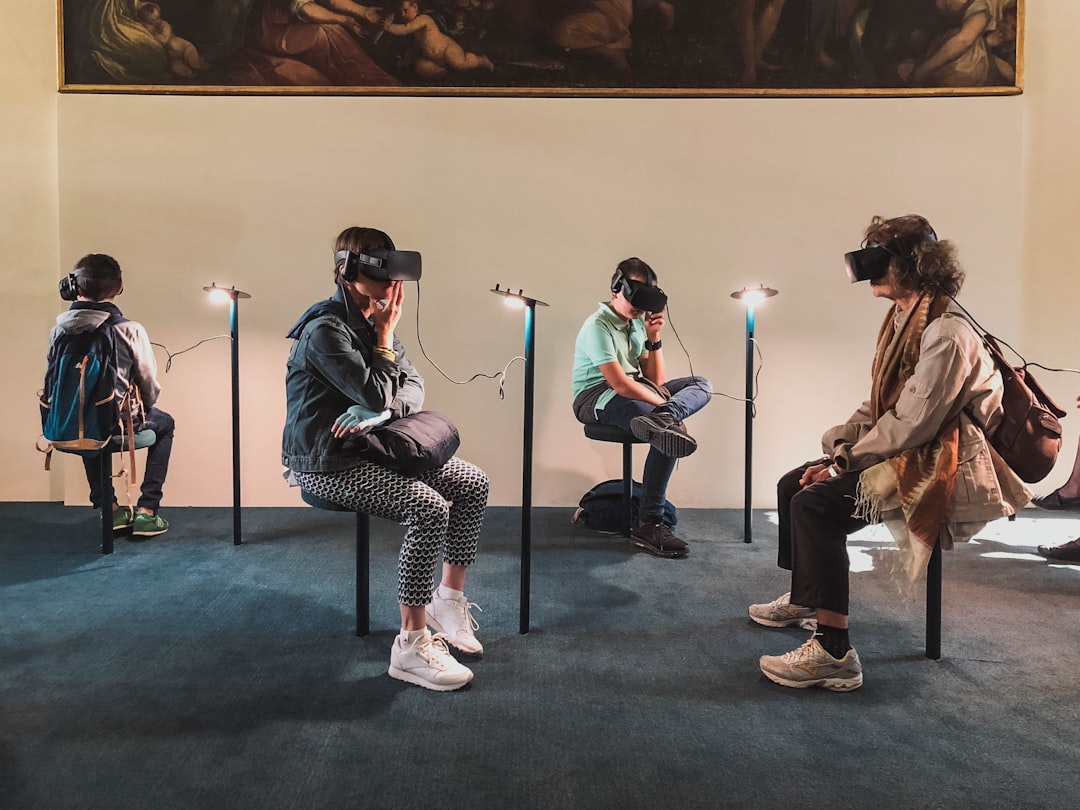
The potential for gamification in branding will grow as technology advances. The emergence of virtual reality (VR) and custom digital training (AR) offers brands great chances to develop immersive experiences that enthrall consumers in novel ways. Imagine a retail company utilizing custom digital training (AR) to let customers virtually try on items or explore interactive spaces that highlight their offerings. These experiences have the potential to completely change how customers engage with brands.
Also, data analytics developments will allow brands to further customize gamified experiences. Brands can create highly engaging experiences that deeply connect with their audience by using customer data to customize challenges & rewards based on personal preferences and behaviors. As businesses look for creative ways to engage with customers in an increasingly digital world, it is obvious that gamification will continue to play a crucial role in forming branding strategies. In summary, gamification is a revolutionary strategy that has the power to completely change how companies interact with their customers. It is not merely a fad.
Businesses can use gamification to increase customer loyalty, raise brand awareness, and create memorable experiences that stick with customers long after the game is over by comprehending its advantages and investigating effective tactics. Get in touch with Designing Digitally right now if you’re prepared to use gamification to advance your branding initiatives. We can assist you in developing captivating solutions that are customized to your particular requirements!