The Power of Gamification in Learning The idea of gamification has become a revolutionary force in the field of training & education in recent years. Organizations can greatly increase student engagement, motivation, and retention by incorporating game-like elements into learning experiences. Gamification takes advantage of people’s natural desire for achievement, competition, & social interaction to make learning more fun and efficient. Consequently, companies and academic institutions are increasingly using gamified solutions to meet their training requirements. The ability of gamification to establish a dynamic learning environment that promotes engagement is what gives it its power.
Conventional teaching approaches frequently depend on passive information consumption, which can result in low retention rates and disengagement. Gamified learning experiences, on the other hand, encourage students to interact with the material, fully immerse themselves in it, & use what they’ve learned in real-world situations. This transition from passive to active learning encourages a deeper comprehension of the subject matter and gives students the tools they need to be successful in their chosen fields.
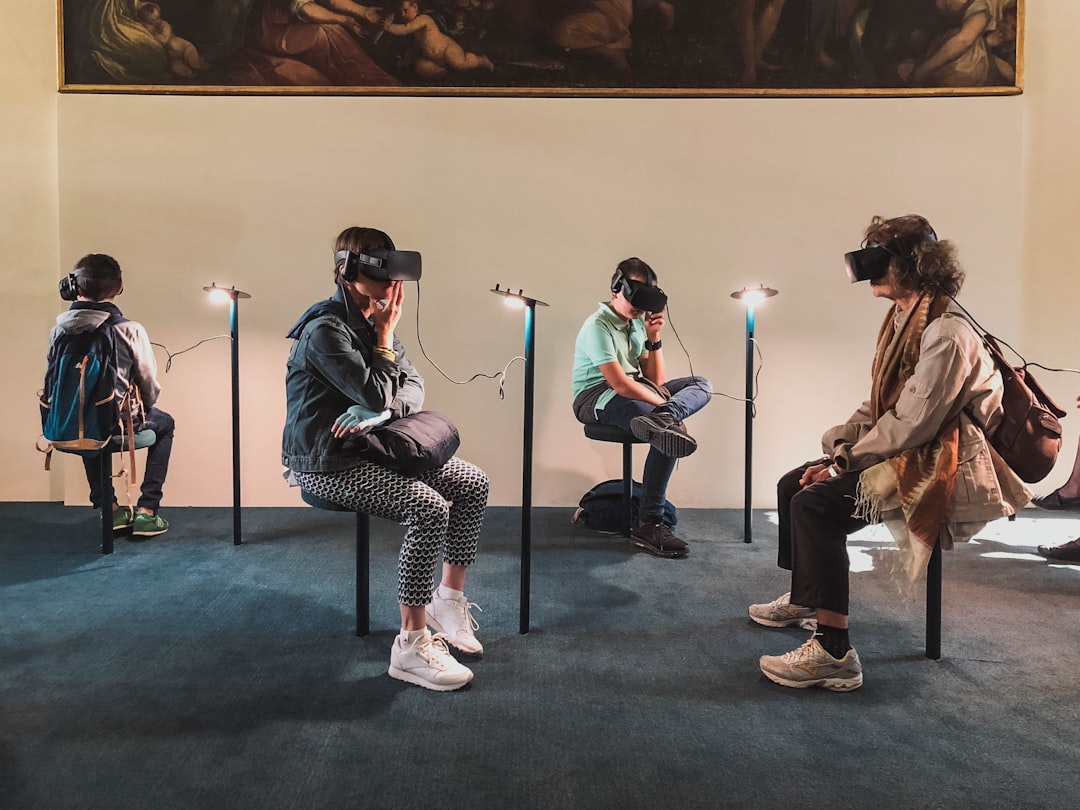
Using Games to Create Immersive Learning Experiences: The core of successful gamification techniques is immersive learning. Organizations can create unforgettable experiences that last long after the training is over by creating educational games that immerse students in captivating worlds. These immersive environments come in a variety of forms, such as interactive storytelling platforms & virtual reality simulations, each of which offers special chances for investigation and learning. The capacity of immersive learning experiences to replicate real-world difficulties is one of their main advantages.
A healthcare company might, for example, create a game that puts students in a virtual hospital where they have to make important choices under duress. In addition to improving knowledge retention, this kind of experiential learning increases competence and confidence when using skills in high-stakes scenarios. Organizations can better prepare their workforce for the challenges they will encounter in their roles by developing realistic scenarios that reflect actual job responsibilities.
The Function of Feedback & Rewards in Game-Based Learning Any successful gamified learning process must include feedback & rewards. Feedback in traditional educational settings is frequently restricted to recurring assessments or evaluations, which can make students feel insecure about their development. However, feedback is instantaneous and ongoing in a game-based learning environment, enabling students to recognize their areas of strength and growth in real time.
Rewards are essential for encouraging students to interact with the material and work toward mastery. Through the use of components like leaderboards, badges, and points, organizations can foster a sense of accomplishment that motivates students to work harder. In addition to acknowledging individual achievements, these awards help participants feel more connected to one another. Students are more likely to be motivated to pursue their own objectives within the game when they witness their peers reaching milestones and receiving recognition.
Using Narrative and Storytelling in Educational Games: Narrative is a potent tool that can take gamified learning to new levels. Organizations can establish emotional connections with students by incorporating stories into educational games, which makes the material more relatable and interesting. As students become engrossed in the characters and storylines, a well-written story can hold their interest and inspire them to learn more. By placing information in a broader context, narrative-driven games can also promote deeper learning. A business training program, for instance, might employ a plot that centers on a fictional business that is dealing with a number of difficulties. As students move through the game, they come across situations where they must use their understanding of business principles to solve issues and come to wise decisions.
In addition to reinforcing important ideas, this method aids students in comprehending how those ideas relate to actual circumstances. Encouraging Competition & Collaboration in Game-Based Training Competition & collaboration are two strong factors that can improve game-based training’s efficacy. Organizations can promote collaboration and communication among students by adding multiplayer components to educational games. As players cooperate to accomplish shared objectives, exchange knowledge, and assist one another during the learning process, collaborative gaming promotes a sense of camaraderie.
However, by adding a challenge, competition can boost engagement and motivation. As students aim to surpass their peers, leaderboards and competitive tasks can motivate them to pursue excellence. To make sure that every student feels included and appreciated, it is crucial to find a balance between cooperation and competition. Organizations can maximize engagement while accommodating a variety of learning preferences and styles by offering both cooperative and competitive gaming opportunities.
The Impact of Personalization and Choice in Gamified LearningPersonalization is a critical aspect of effective gamified learning experiences. Learners are more likely to stay motivated and involved in the process when they can customize their training to fit their interests and preferences. Organizations can enable students to take charge of their education by providing options for gameplay mechanics, content paths, or even character customization. Personalization has an effect that goes beyond simple engagement and improves retention of information. Learners are more inclined to devote time and effort to mastering the material when they have a sense of control over their training.
A sales training program, for example, might let participants select particular scenarios that fit their role or industry, making the material more applicable and relevant. When students apply what they’ve learned in practical settings, this degree of personalization not only boosts motivation but also produces better results. Using Game Mechanics to Encourage and Engage Students: Game mechanics are the fundamental components of gamification that encourage and motivate students.
A structured framework that directs participants through their learning process is created by components like point systems, challenges, levels, and achievements. Organizations can foster an atmosphere that promotes experimentation, mastery, and exploration by integrating these mechanics into educational games. Using challenges that get harder over time is one useful game mechanic. With this method, students can progressively improve their abilities and feel proud of themselves when they get past challenges.
Time-limited challenges or quests can also generate excitement and a sense of urgency, inspiring students to finish assignments within a set amount of time. Organizations can create an engaging environment that encourages participants to return by carefully incorporating game mechanics that align with learners’ motivations. Analytics-Based Evaluation of Game-Based Training Effectiveness As companies invest in gamified learning solutions, evaluating their efficacy becomes critical. In game-based training programs, analytics offer important insights into learner behavior, engagement levels, and overall performance. Organizations can assess how their gamified initiatives affect learner outcomes by monitoring important metrics like completion rates, task time, & assessment scores. Also, analytics help organizations pinpoint areas where their training initiatives need to be improved.
For example, instructional designers can improve clarity & support by refining certain elements if data indicates that students frequently struggle with particular concepts or challenges. Also, by highlighting trends in learner preferences or engagement patterns, analytics can help guide future iterations of gamified training. Organizations can continuously maximize the efficacy of their gamified learning experiences by utilizing data-driven insights. In conclusion, gamification has become a potent instrument for improving educational experiences in a variety of fields. Organizations can encourage student engagement & motivation by developing immersive environments that include game mechanics, analytics, personalization, storytelling, collaboration, & feedback.
Our specialty at Designing Digitally is creating gamified solutions that are specifically suited to your particular training requirements. Get in touch with us right now if you’re prepared to use gamification to revolutionize your learning initiatives. Together, we can develop training programs that have a significant impact, produce outcomes, and equip your staff for success.