The difference between passive learning & active participation is important in the field of education. Traditional teaching techniques like lectures, in which students take in information without actively participating in it, are frequently used in passive learning. Because students may find it difficult to relate theoretical ideas to real-world applications, this method may result in a lack of retention & comprehension.
On the other hand, active engagement, especially through game-based learning, motivates students to interact directly with the material. With this approach, students can investigate ideas in a dynamic setting and have a more immersive experience. Within Designing Digitally, Inc. We acknowledge the transformational potential of engaging in active learning.
We can establish an environment where students are active participants in their education rather than merely recipients of knowledge by incorporating game mechanics into educational frameworks. Deeper comprehension and knowledge retention depend on this transition from passive to active learning. Please get in touch with us if you would like to learn more about how we can help you create programs that use gamification to encourage active participation. Gamification improves learning by utilizing psychological concepts.
Teachers can access intrinsic motivators that promote engagement by integrating game elements like points, levels, and challenges. Gamification has a significant psychological impact; it turns routine tasks into thrilling challenges that pique interest and promote exploration. Learners are more likely to become fully immersed in the subject matter when given game-like scenarios, which improves retention & comprehension. Also, gamification can lessen the anxiety that comes with conventional learning settings.
Because games are fun, students can try new things and make mistakes without worrying about failing, which is often the case with traditional evaluations. This secure environment for inquiry encourages students to adopt a growth mindset, which sees difficulties as chances for improvement rather than barriers. Our specialty at Designing Digitally is developing gamified learning experiences that use these psychological concepts to improve retention and engagement. We can assist you if your company wants to use gamification techniques.
Effective learning experiences must include rewards and feedback, especially in game-based settings. Feedback is frequently inadequate or delayed in traditional educational settings, which causes confusion and disengagement. On the other hand, games give players instant feedback, which enables them to assess their performance in real time. This immediate satisfaction encourages students to keep interacting with the content and reinforces what they have learned.
Rewards are strong motivators for active engagement, whether they take the shape of points, badges, or level unlocking. They foster a feeling of accomplishment and advancement that motivates students to push their limits and pursue growth. At Designing Digitally, we recognize how crucial it is to include reward systems and insightful feedback in our game-based learning programs.
By doing this, we can assist organizations in fostering an atmosphere that inspires students to actively engage & take charge of their education. By their very nature, games are meant to test players’ critical thinking and real-time problem-solving skills. In educational contexts, where mastering problem-solving techniques is crucial for success in both academic and professional settings, this feature of gaming is especially advantageous.
Through gameplay, students come across intricate situations that call for information analysis, decision-making, and strategy adaptation based on results. Games’ interactive features enable experiential learning, which enables students to apply their theoretical knowledge to real-world scenarios. For example, role-playing games and simulations can immerse students in real-world problems and stimulate their critical thinking about possible solutions. At Designing Digitally, we develop unique game-based educational programs that emphasize improving critical thinking and problem-solving abilities. We would be happy to help if you want to incorporate these components into your training programs. A key component of gaming that greatly improves the educational process is social interaction.
In today’s connected world, teamwork & communication skills are critical, and many games promote cooperation among players. In addition to sharing knowledge, cooperative gaming helps students build the interpersonal skills necessary for success in both academic & professional settings. Also, social interaction in games can help students feel more connected to one another. As players collaborate to achieve shared objectives, this camaraderie can increase motivation and engagement. We at Designing Digitally aim to include cooperative components in our game-based solutions because we understand the significance of social dynamics in learning.
By doing this, we give students the chance to interact with one another while honing critical abilities for cooperation and teamwork. For learning experiences to be interesting and inspiring, effective game design is essential. A well-designed game draws in players and keeps them interested throughout the learning process.
Learners’ engagement with the material is greatly influenced by elements like narrative, aesthetics, and mechanics. A captivating plot can entice players into the virtual world, & eye-catching visuals can improve immersion. Also, game mechanics need to be carefully designed to make sure they support learning goals. It’s crucial to strike a balance between skill and challenge because students may lose interest in a game if it’s too easy or too hard.
In order to make sure that our solutions are both instructive and entertaining for students, we at Designing Digitally place a high priority on careful game design. We encourage you to get in touch with us if you need help creating captivating game-based learning experiences that are customized to your company’s requirements. A strategic approach that is in line with learner needs and curriculum objectives is necessary for incorporating game-based learning into educational settings. Starting small and adding gamified components to already-existing lessons or training programs is a useful tactic. This could entail implementing point-based quizzes or adding competitive components that boost engagement without completely changing the curriculum.
Leveraging technology through online platforms that facilitate game-based learning is another tactic. These platforms make it simpler for teachers to keep an eye on student engagement levels by offering tools for tracking progress and evaluating student performance. Our specialty at Designing Digitally is assisting organizations in creating customized plans for incorporating game-based learning into their curricula.
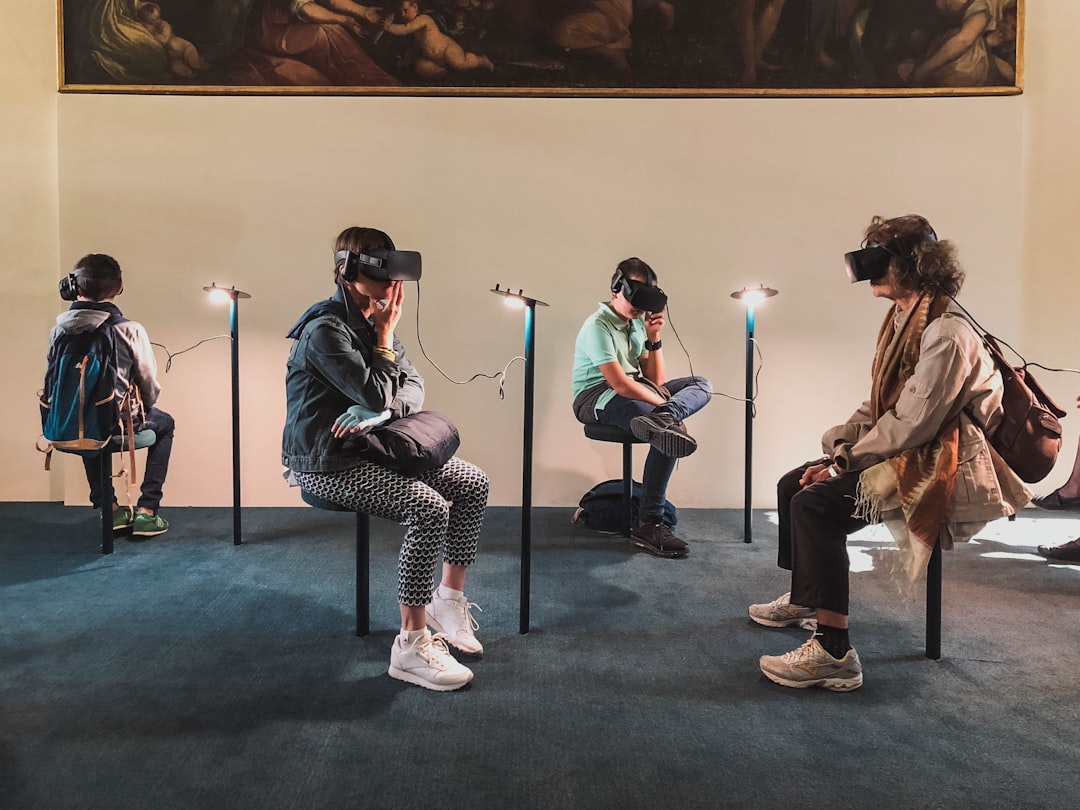
Please get in touch if you would like to learn more about how we can help you with this process. There is a great deal of potential for game-based learning to change education in the future. We should anticipate even more immersive experiences that use augmented reality (AR) and virtual reality (VR) to create captivating learning environments as technology develops. By enabling learners to engage with content in previously unthinkable ways, these technologies will increase retention and engagement.
Also, we might witness a change toward more individualized learning experiences catered to each learner’s requirements and preferences as educational institutions come to appreciate the benefits of gamification. Teachers will be able to design dynamic curricula that change according to students’ interests and performance thanks to this evolution. We at Designing Digitally are enthusiastic about the potential effects of game-based learning on education in the future. We are dedicated to remaining at the forefront of this movement and assisting businesses in utilizing gamification to improve their training programs.
In conclusion, there are many advantages to incorporating game-based learning into educational environments that go beyond conventional teaching techniques. We can create engaging learning experiences that inspire students to succeed by encouraging active participation, improving problem-solving abilities, fostering social interaction, & utilizing effective game design principles. Please get in touch with us right now if you’re prepared to learn how Designing Digitally can help you create cutting-edge game-based learning solutions that are customized to your company’s requirements!