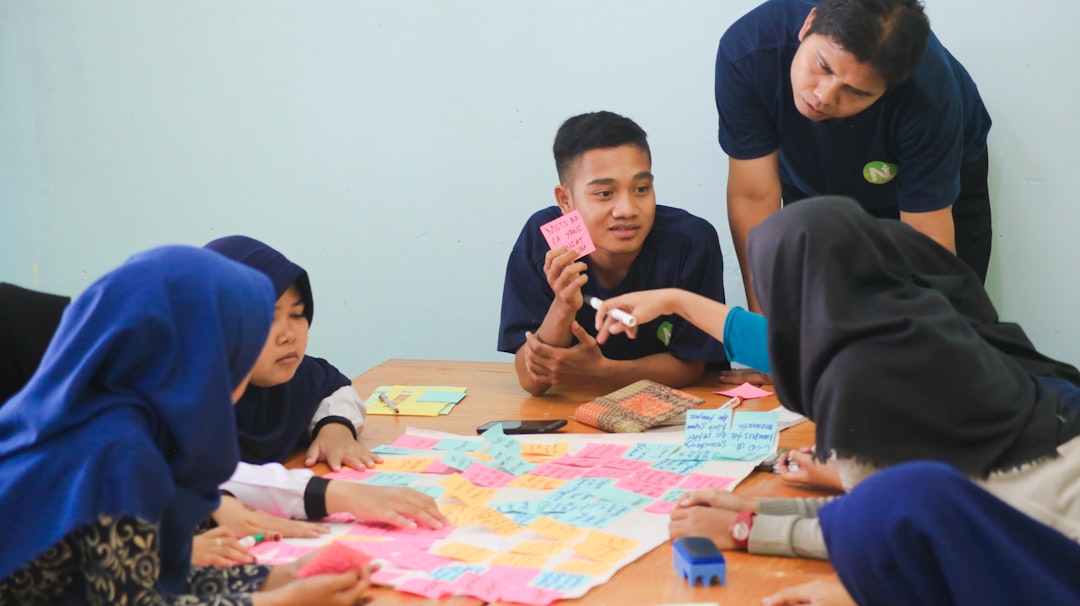
Organizations are under more and more pressure in today’s workplaces to adjust to changing market conditions and technological advancements. Conventional training methods often fail to meet these changing demands. Peer learning is an educational approach that uses teamwork among coworkers to promote experience sharing, skill development, & knowledge transfer within organized frameworks. The idea behind peer learning is that through face-to-face communication and information sharing, staff members can efficiently instruct and learn from one another. With this strategy, companies can make use of the collective knowledge and experience of their current workforce.
When compared to traditional instructor-led training methods, research shows that peer-to-peer learning can increase knowledge retention rates and improve the application of practical skills. By encouraging active participation in the learning process, peer learning systems can increase employee engagement. Also, this approach can improve cooperative relationships among team members and foster the growth of professional networks within organizations. Businesses that use peer learning frameworks frequently report better departmental problem-solving skills & improved knowledge-sharing procedures.
Initiatives for peer learning can take many different forms, such as cooperative problem-solving workshops, knowledge-sharing sessions, cross-functional project teams, and mentorship programs. These strategies enable businesses to fill in certain skill gaps while also increasing internal learning and development capacity. Peer learning has many benefits that go well beyond simple knowledge exchange. The improvement of critical thinking and problem-solving abilities is one of the biggest advantages.
Employees are exposed to a variety of viewpoints and methods when they participate in group projects and discussions. Their preexisting thought processes are tested by this exposure, which also inspires them to think creatively. At Designing Digitally, we have personally witnessed how peer learning encourages creativity by enabling team members to come up with solutions collectively, producing more successful results. Also, peer learning encourages employees to take responsibility for their actions.
People are more inclined to devote time & energy to learning a subject when they are in charge of instructing their peers. This boosts their confidence in their skills and validates their own comprehension. Employees consequently take greater initiative to look for chances for personal development. Organizations can establish a culture where ongoing upskilling is not only encouraged but also expected by putting peer learning initiatives into place. A strategic approach and meticulous planning are necessary for implementing peer learning at scale.
The first step for organizations is to determine which particular knowledge and skill sets need to be improved within their workforce. Evaluations, questionnaires, and performance reviews can be used to accomplish this. Developing structured programs that promote peer interactions is crucial after these areas have been identified. Our specialty at Designing Digitally is creating customized peer learning programs that complement company objectives and worker demands.
Organizations should give these programs the resources & assistance they need to be successful. This entails developing platforms for collaboration, training facilitators who can steer conversations, and setting specific goals for every peer learning session. It’s also critical to create an inclusive workplace where all staff members feel free to share their perspectives. Organizations can increase the efficacy of their peer learning programs by encouraging an environment of transparency and respect.
Although there are many advantages to peer learning, organizations may encounter difficulties when putting these programs into place. One typical barrier is resistance from staff members who might be reluctant to participate in collaborative learning out of a lack of confidence in their knowledge or a fear of being judged. Establishing a safe environment where workers feel appreciated & respected is crucial to solving this problem. Fears can be reduced & participation can be increased by fostering a growth mindset. Maintaining focus and productivity in peer learning is another challenge. Discussions can easily go off course or become disorganized without the right direction.
Organizations should set specific goals for each session and assign facilitators who can guide discussions in the proper direction in order to reduce this risk. We at Designing Digitally can help organizations create frameworks that allow for natural conversations while keeping peer learning sessions on course. In the current digital era, peer learning initiatives are greatly aided by technology. By giving workers quick access to resources, discussion boards, and virtual meeting rooms, online platforms and tools can improve teamwork. Geographical barriers to learning are eliminated by these technologies, which allow employees to connect with peers in different time zones and locations.
At Designing Digitally, we use state-of-the-art technology to develop stimulating virtual learning environments that encourage peer engagement. Also, organizations can use technology to monitor participation & assess how well peer learning initiatives are working. Learning management systems (LMS) can offer useful information about knowledge retention rates & employee engagement levels. Organizations can make well-informed decisions about upcoming training programs & consistently enhance their peer learning tactics by evaluating this data. Peer learning initiatives have been successfully implemented by many organizations, with remarkable outcomes.
For example, a well-known tech company launched a mentorship program in which staff members were matched with colleagues from various departments to exchange ideas & best practices. In addition to improving interdepartmental cooperation, this program boosted creativity as staff members approached problem-solving from novel angles. An additional illustration comes from a healthcare organization that organized frequent staff knowledge-sharing meetings. The organization saw notable improvements in patient outcomes and employee satisfaction by encouraging physicians and nurses to share their experiences and lessons learned from patient care.
These case studies demonstrate the concrete advantages of peer learning and provide motivation for businesses wishing to undertake comparable programs. Organizations must set up metrics to assess the impact of peer learning initiatives on upskilling efforts in order to fully comprehend their efficacy. Employee engagement levels, skill acquisition rates, and overall job performance are examples of key performance indicators (KPIs) that can offer important information about how well these initiatives are working. Qualitative information about employees’ experiences with peer learning can also be gathered through surveys and feedback systems.
We at Designing Digitally place a strong emphasis on the value of ongoing assessment in our peer learning initiatives. Organizations can find areas for improvement and make the required changes to improve their impact on employee development by routinely evaluating the success of these initiatives. Peer learning will undoubtedly continue to be essential to workplace development strategies in the future.
Organizations must modify their strategies in light of the growing popularity of remote work and hybrid models in order to keep workers engaged and connected throughout their educational journeys. Technology integration will be essential to enabling these relationships and giving workers access to important resources. At Designing Digitally, we’re dedicated to assisting businesses in navigating this changing environment by developing cutting-edge peer learning solutions that are customized to meet their specific requirements.
Organizations can cultivate a culture of continuous improvement that propels both individual development and organizational success by embracing the power of collaboration and knowledge sharing. In summary, peer learning is a transformative strategy that empowers workers to take control of their own development while promoting teamwork. It is more than just a successful way to upskill. Organizations can unleash the full potential of their workforce by putting in place organized programs that make use of technology and deal with potential obstacles. Please get in touch with us if you’re curious about how Designing Digitally can help you establish and grow a fruitful peer learning program at your place of employment!