The Growth of Skills-Based Organizations The corporate landscape has undergone a dramatic change in recent years, as more and more companies are using a skills-based approach to workforce management. The quick speed at which technology is developing and the changing needs of the labor market are the main causes of this change. Businesses are realizing that having a workforce with the necessary skills is crucial for keeping a competitive edge as industries become more competitive.
As a result of this insight, skills-based organizations have emerged, emphasizing the identification, development, and utilization of particular competencies that correspond with business goals. The emergence of skills-based organizations is more than just a fad; it signifies a fundamental shift in our perception of ability and talent in the workplace. More flexible organizational structures that put skills ahead of roles are replacing traditional hierarchies and job titles. This change enables us to build teams that are more flexible and sensitive to shifting market dynamics. Organizations can better match workers to projects that play to their strengths by prioritizing skills, which promotes a collaborative and innovative culture.
In exploring the transformative impact of skills-based organizations on corporate learning, it is insightful to consider how effective training programs can enhance employee capabilities. A related article that delves into this topic is “Managing Stress: Training Sims at Tri-C,” which highlights innovative training simulations designed to equip employees with essential skills for managing stress in the workplace. You can read more about it here: Managing Stress: Training Sims at Tri-C. This article underscores the importance of tailored training solutions in fostering a skilled and resilient workforce.
As we adopt this new paradigm, it becomes evident that our capacity to develop and utilize the skills of our workforce will define the nature of work in the future. Recognizing the transition from conventional training methods to a more dynamic approach centered on skill development is crucial as we traverse this new terrain. Training programs used to frequently focus on standardized curricula that attempted to impart knowledge in a way that was universally applicable. We now realize, though, that this strategy is inadequate to meet the varied demands of the modern workforce. Personalized learning experiences that address each person’s skill gaps and career goals are now being prioritized by organizations. We now use more cutting-edge learning techniques like microlearning, experiential learning, and peer-to-peer coaching as a result of this evolution in training methodology.
We can create more engaging learning experiences for staff members by decomposing difficult ideas into smaller, more manageable chunks. Also, by integrating real-world scenarios into training, we can close the knowledge gap between theory & practice and guarantee that staff members can use their newly learned abilities in their regular jobs. In addition to raising employee engagement, adopting these cutting-edge strategies helps our companies develop a continuous improvement culture.
Employee performance is significantly impacted by the shift to skills-based learning. By concentrating on particular competencies, we enable staff members to take charge of their own growth and match their abilities with company objectives. In addition to improving individual performance, this alignment increases the effectiveness of the team as a whole. Employees are more likely to be motivated and engaged when they have faith in their abilities and perceive a clear link between their contributions to the company and their skills.
As organizations increasingly adopt skills-based approaches to enhance their corporate learning initiatives, the integration of innovative technologies becomes essential. A related article discusses how virtual reality is revolutionizing education and learning development, providing immersive experiences that can significantly improve skill acquisition and retention. This shift towards experiential learning complements the skills-based model by offering employees unique opportunities to engage with content in a more meaningful way. For more insights on this transformative approach, you can read the article on virtual reality in learning development.
Also, skills-based learning encourages workers to have a growth mindset. We foster an atmosphere where people are more inclined to take chances and welcome challenges by promoting ongoing education & skill development. Teams may become more innovative & creative as a result of this mental shift since workers will feel more free to try out novel concepts and methods. In the end, skills-based learning has an impact that goes beyond individual achievement; it fosters an excellence culture that propels organizational success. Skills-based companies are changing in a number of ways to accommodate their employees’ evolving needs as the workforce continues to change.
The growing focus on diversity & inclusion in skill development programs is one noteworthy trend we have seen. Organizations are actively working to create inclusive learning environments that accommodate people with a variety of backgrounds and experiences because they understand that different perspectives lead to better problem-solving and innovation. In addition, there is an increasing emphasis on soft skills in addition to technical competencies. We recognize that soft skills like communication, teamwork, and emotional intelligence are just as vital for success in today’s interconnected workplace, even though technical expertise is still essential in many industries.
We can give staff members the comprehensive skill set they need to succeed in their positions and enhance team dynamics by incorporating soft skills training into our development programs. Technology is essential for supporting skills-based learning in businesses. We now have access to a variety of resources that can improve our educational experiences thanks to the development of digital platforms & tools. Mobile applications, virtual classrooms, and online learning management systems (LMS) allow us to provide training materials in an adaptable & accessible way. Because of this flexibility, workers can study at their own pace and go over content again as needed, strengthening their grasp of important ideas.
Also, technology makes it possible for us to use data analytics to monitor employee development and more accurately pinpoint skill gaps. We can customize our learning programs to meet particular needs and make sure that staff members are gaining the skills required for their positions by examining performance metrics and feedback. Also, training programs can incorporate gamification components to boost learners’ motivation and engagement.
We are improving the efficacy of our programs and developing a more dynamic & interesting learning environment as we keep utilizing technology in our educational endeavors. We must develop reliable metrics for gauging the success of our skills-based learning programs. The true effects of training programs on employee performance & organizational outcomes are frequently not adequately captured by traditional evaluation techniques. Rather, we need to take a more thorough approach that takes into account both qualitative & quantitative measurements. Pre- & post-training evaluations are a useful way to gauge the effectiveness of skills-based learning.
We can learn a lot about the success of our programs by comparing the skill levels of employees before & after training interventions. Also, we can learn about participants’ opinions of the training experience and pinpoint areas for improvement by getting their input through surveys or focus groups. In the end, we can make sure that our learning initiatives continue to be in line with organizational objectives and produce noticeable outcomes by regularly observing & assessing them. Corporate learning in skills-based organizations seems to have a bright but difficult future. We must continue to be flexible in our approach to learning and development as we adjust to the swift progress of technology & the changing nature of the workforce.
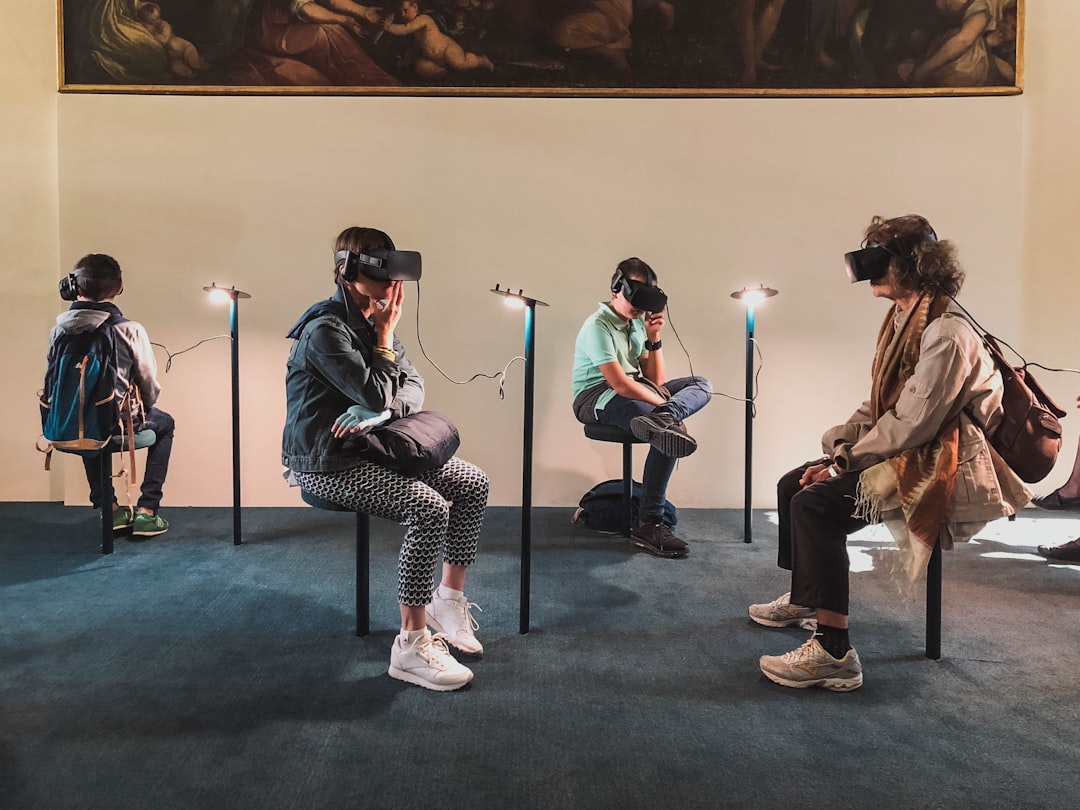
The growing incorporation of artificial intelligence (AI) into learning platforms is a significant trend that is expected to influence the future. Through the analysis of individual performance data and the recommendation of customized content based on particular skill gaps, AI-driven tools can offer personalized learning experiences. Organizations will also need to come up with creative ways to encourage cooperation and information sharing among scattered teams as remote work becomes more common. Technologies like virtual reality (VR) and augmented reality (AR) could be very important in developing immersive learning environments that mimic real-world situations.
We can improve our training programs and guarantee that staff members have the abilities required for success in a constantly changing workplace by embracing these cutting-edge technologies. We must follow a number of best practices that encourage engagement and efficacy if we are to successfully implement skills-based learning initiatives within our organizations. First and foremost, it is critical that we carry out comprehensive evaluations of our workforce’s present skill levels. We can customize our training programs to meet particular needs and support organizational goals by identifying current competencies & skill gaps. Also, promoting employee involvement in skill development programs requires cultivating a culture of ongoing learning.
We should encourage candid discussion about the value of skill development & give staff members the chance to share their educational experiences with one another. Also, providing rewards for training program participation can encourage staff members to actively participate in their own development. In conclusion, it is critical that we adopt cutting-edge methods for training and development as we negotiate the emergence of skills-based organizations.
We can set ourselves up for success in a workforce that is constantly evolving by emphasizing skill development over conventional training techniques, making good use of technology, and cultivating a culture of continuous improvement. Although the path to becoming a skills-based organization may be difficult, it has enormous potential to improve employee performance, engagement, & overall organizational success.