The Future of Learning and Development: Navigating the New Landscape As an employee learning and development professional at Designing Digitally, Inc. , I have witnessed firsthand the transformative changes in the landscape of Learning & Development (LandD). The rapid evolution of technology, coupled with shifting workforce dynamics, has necessitated a reevaluation of traditional L&D practices. In this article, I will explore the key trends shaping the future of L&D and how organizations can adapt to thrive in this new environment. Organizational approaches to employee training have fundamentally changed as a result of the change in Learning and Development (L&D) procedures. In the past, learning and development (L&D) was frequently carried out as stand-alone activities where staff members attended particular training sessions or workshops to acquire new skills.
However, the evolving business environment necessitates a revised understanding of learning processes. Contemporary L&D is now recognized as a continuous process requiring ongoing engagement and adaptation. Designing Digitally acknowledges that this shift necessitates an all-encompassing approach to education.
Organizations need to transition from standardized training models toward personalized methodologies that address individual employee needs. Learning now encompasses a variety of developmental channels, such as experiences at work, interactions with coworkers, and self-initiated learning activities, in addition to formal training environments. Organizations empower workers to take more ownership of their professional development by fostering environments that encourage inquiry & intellectual curiosity.
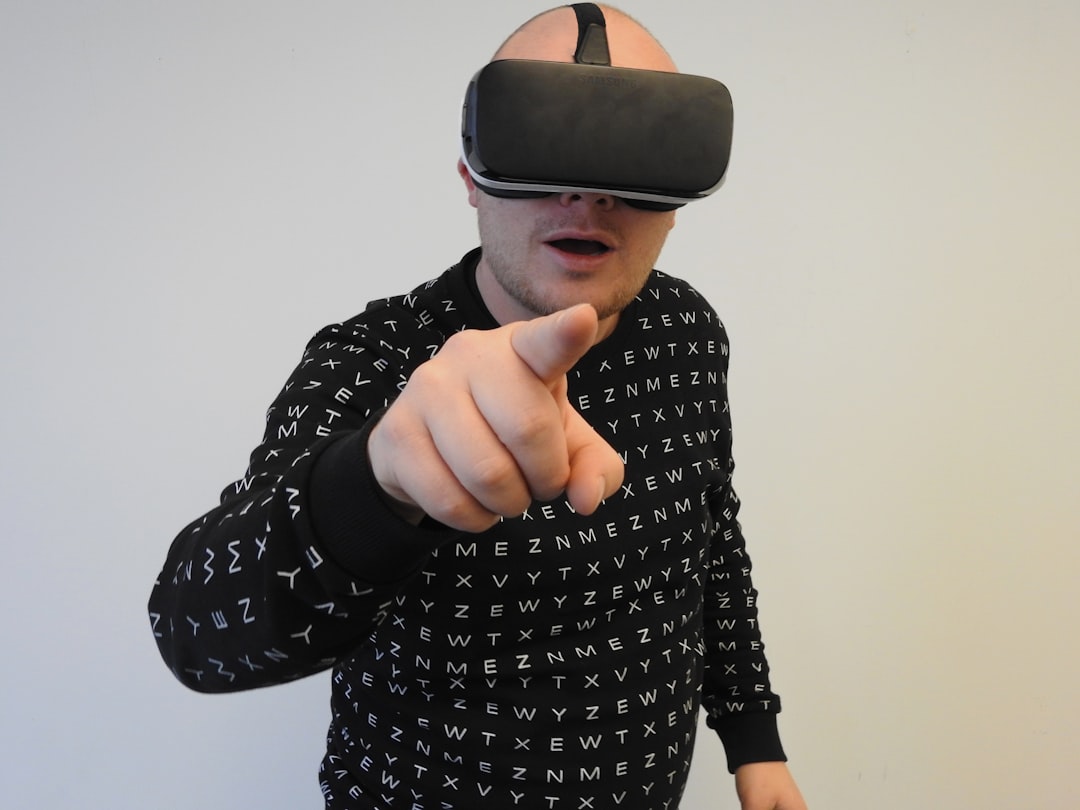
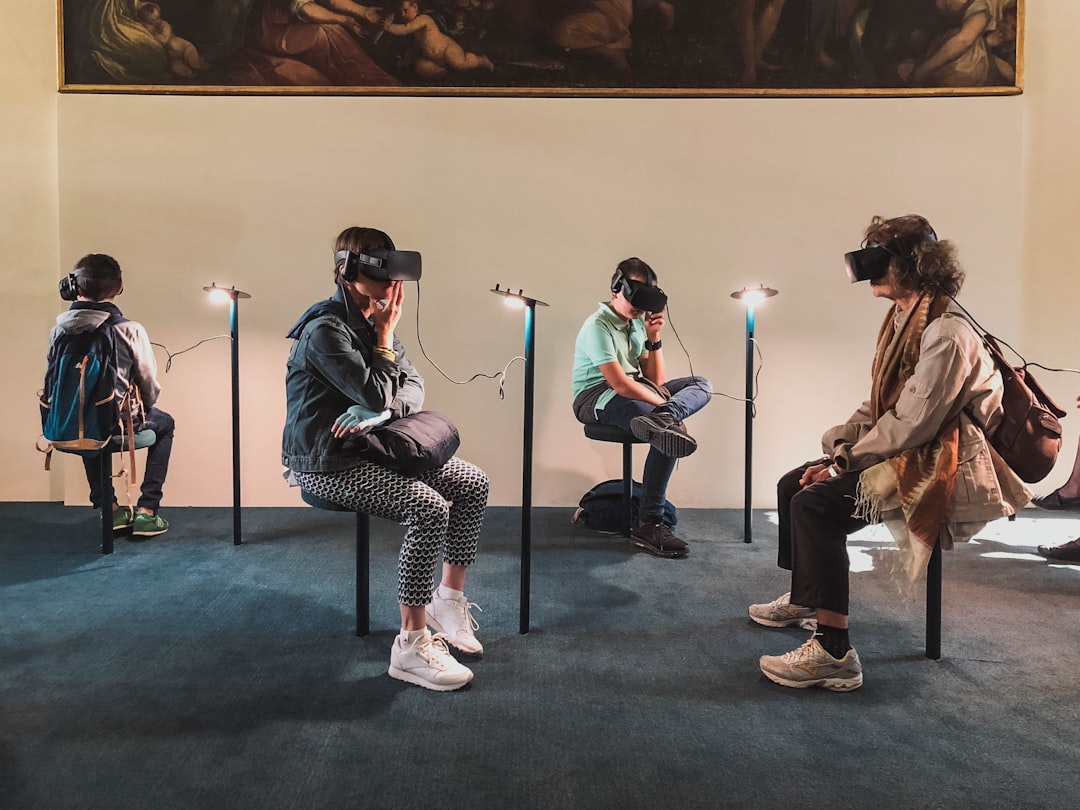
Technology has a significant influence on L&D practices in the current digital era. The integration of advanced technologies such as e-learning platforms, virtual reality (VR), and artificial intelligence (AI) has revolutionized how organizations deliver training. At Designing Digitally, we leverage these technologies to create immersive learning experiences that engage employees & enhance knowledge retention. E-learning platforms allow for flexible learning opportunities, enabling employees to access training materials at their convenience. In a world where remote work is becoming more prevalent, this flexibility is especially crucial.
Also, VR technology presents a novel approach to replicate real-world situations, giving workers practical experience in a secure setting. By embracing these technological advancements, organizations can create dynamic learning experiences that cater to diverse learning styles. Also, AI-driven analytics can assist businesses in identifying skill gaps & customizing training initiatives. By analyzing employee performance data, organizations can gain insights into which areas require further development & adjust their training strategies accordingly. This data-driven approach not only enhances the effectiveness of L&D initiatives but also ensures that employees receive the support they need to succeed.
A continuous learning mindset is essential for both employees and organizations in today’s fast-paced business environment. Because of the quick speed of change, employees must pursue lifelong learning because skills can quickly become outdated. At Designing Digitally, we advocate for a culture that prioritizes continuous learning as a core value.
To foster this mindset, organizations must create an environment where learning is encouraged and celebrated. This can be accomplished through a number of initiatives, including lunch-and-learn sessions, mentorship opportunities, & access to online courses. By promoting a culture of curiosity and exploration, organizations can inspire employees to seek out new knowledge and skills proactively. Also, organizations should recognize that learning does not always happen in formal settings.
Encouraging employees to share their expertise with colleagues through knowledge-sharing sessions or collaborative projects can enhance collective learning within the organization. By valuing informal learning experiences alongside formal training programs, organizations can create a more holistic approach to employee development. Successful L&D practices require agility in a constantly shifting business environment.
Organizations must be able to adapt their training strategies quickly in response to emerging trends and shifting workforce needs. At Designing Digitally, we emphasize the importance of building agile learning strategies that can evolve alongside the organization. One way to achieve agility in L&D is by adopting a modular approach to training content. Instead of creating lengthy training programs that may become outdated quickly, organizations can develop bite-sized modules that can be easily updated or replaced as needed.
This allows for greater flexibility in addressing changing skill requirements and ensures that employees have access to the most relevant information. Also, organizations should encourage feedback from employees regarding their learning experiences. By actively seeking input on what works and what doesn’t, organizations can make informed adjustments to their training programs. This iterative approach not only enhances the effectiveness of L&D initiatives but also demonstrates a commitment to meeting the evolving needs of employees. Data & analytics are powerful tools that can significantly enhance the effectiveness of L&D initiatives.
By leveraging data-driven insights, organizations can create personalized learning experiences that cater to individual employee needs. At Designing Digitally, we utilize advanced analytics to inform our training strategies & ensure that employees receive targeted support. One of the key benefits of using data in L&D is the ability to identify skill gaps within the organization.
By analyzing performance metrics and employee feedback, organizations can pinpoint areas where additional training may be necessary. This targeted approach not only maximizes the impact of training efforts but also ensures that employees are equipped with the skills they need to excel in their roles. Also, data analytics can help organizations track employee progress over time. By monitoring engagement levels and knowledge retention rates, organizations can assess the effectiveness of their training programs and make data-driven adjustments as needed. This continuous feedback loop allows for ongoing improvement and ensures that L&D initiatives remain aligned with organizational goals. Collaboration and knowledge sharing are essential components of effective L&D practices.
When employees are encouraged to share their expertise and learn from one another, it creates a rich learning environment that benefits everyone involved. At Designing Digitally, we prioritize fostering a culture of collaboration as a means of enhancing employee development. One effective way to promote collaboration is through cross-functional teams or project-based learning initiatives. By bringing together employees from different departments or areas of expertise, organizations can facilitate knowledge exchange and encourage innovative problem-solving.
In addition to improving individual learning, this cooperative method improves team dynamics & creates a feeling of community within the company. Moreover, organizations should leverage technology to facilitate knowledge sharing among employees. Online collaboration tools and platforms can serve as valuable resources for sharing best practices, insights, and lessons learned.
By creating spaces for open dialogue and collaboration, organizations can empower employees to contribute their knowledge and expertise while also benefiting from the collective wisdom of their peers. Investing in employee development is not just a nice-to-have; it is essential for organizational success in today’s competitive landscape. Organizations that prioritize upskilling their workforce are better positioned to adapt to changing market demands and drive innovation. At Designing Digitally, we believe that investing in employee development is a strategic imperative that yields long-term benefits. Upskilling initiatives should be tailored to meet the specific needs of both the organization and its employees. This may involve offering targeted training programs focused on emerging technologies or industry trends relevant to the organization’s goals.
By aligning training efforts with business objectives, organizations can ensure that employees are equipped with the skills necessary to drive success. Also, organizations should consider providing opportunities for career advancement through professional development programs. By offering mentorship opportunities or leadership training initiatives, organizations can empower employees to take ownership of their career paths while also fostering a culture of growth within the organization.
The rise of remote and hybrid work environments has fundamentally changed how organizations approach L&D practices. As more employees work from home or adopt flexible schedules, it is crucial for organizations to adapt their training strategies accordingly. At Designing Digitally, we recognize the importance of creating engaging remote learning experiences that keep employees connected and motivated. To effectively support remote learners, organizations should leverage technology to deliver interactive training content that captures attention and encourages participation.
Virtual classrooms, webinars, and online discussion forums can facilitate real-time engagement among employees while providing opportunities for collaboration & knowledge sharing. Also, organizations should prioritize creating a sense of community among remote workers. Regular check-ins, virtual team-building activities, and opportunities for informal interactions can help foster connections among employees despite physical distance. By nurturing relationships within remote teams, organizations can enhance employee engagement and create a supportive learning environment. In conclusion, the future of Learning and Development is characterized by adaptability, innovation, & a commitment to continuous improvement. As an employee learning and development professional at Designing Digitally, I am excited about the opportunities that lie ahead for organizations willing to embrace these changes.
By understanding the shift in L&D practices, embracing technology, fostering collaboration, investing in employee development, & adapting to new work environments, organizations can create a thriving culture of learning that empowers employees to reach their full potential. Together with Designing Digitally’s expertise in creating engaging digital learning solutions, we can navigate this evolving landscape & drive meaningful change within our organizations.