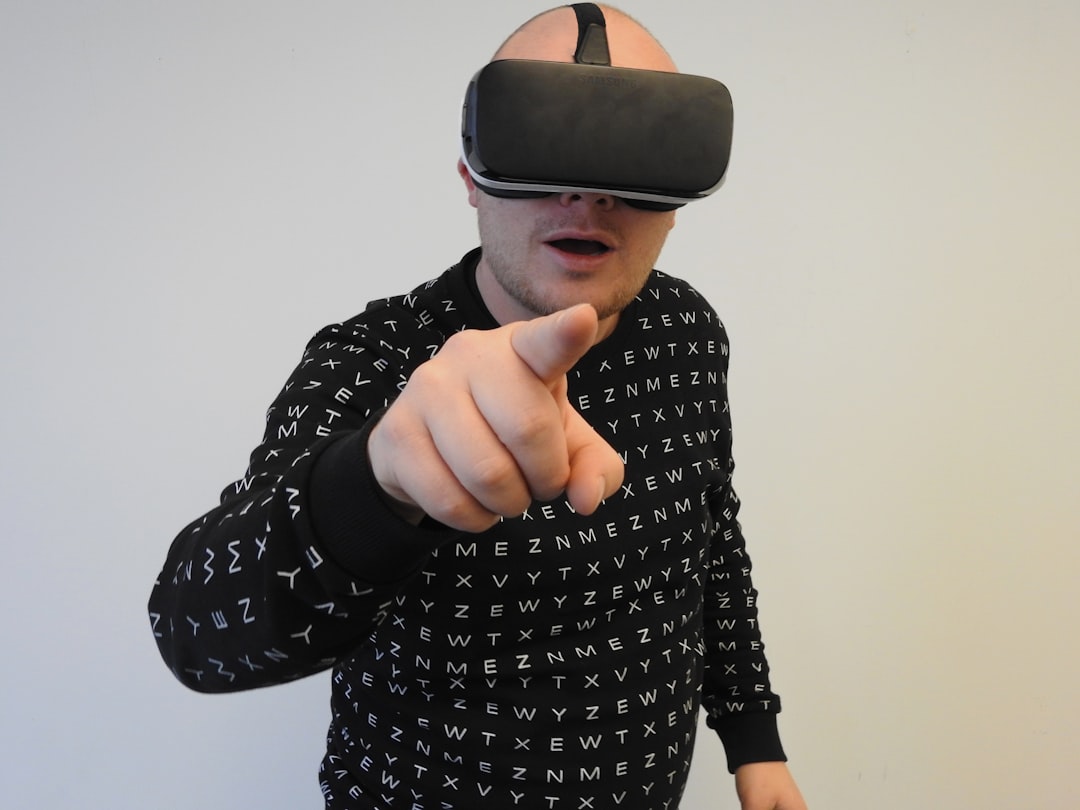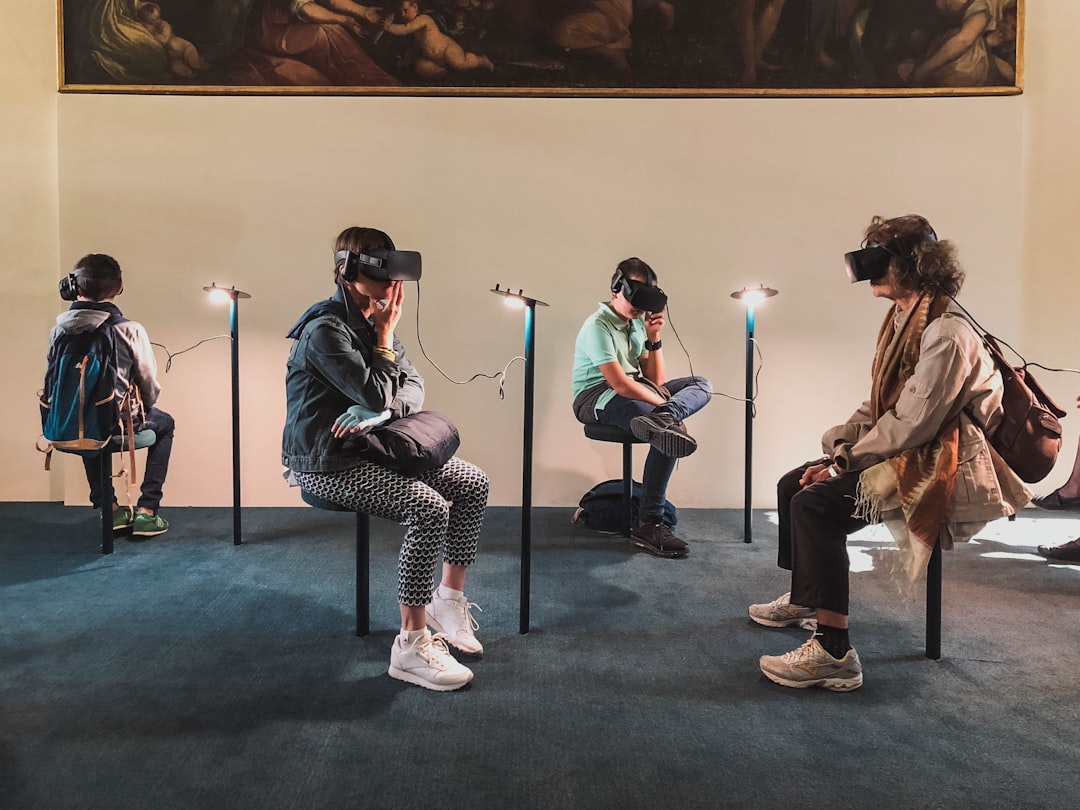
In a variety of industries, virtual reality (VR) technology is being used more and more in training and skill development programs. Virtual reality (VR) applications are not just for amusement; they can also be used as educational tools to improve learning outcomes through immersive experiences. Muscle memory development, which is crucial for mastering physical tasks, is a crucial component of VR training effectiveness. Muscle memory is a neurological process that allows the brain and nervous system to automatically execute movements with increased speed and accuracy by storing motor patterns through repeated practice.
Neural pathways are created during this process and are reinforced by regular repetition. Without the physical space constraints & safety hazards associated with real-world training scenarios, VR training systems offer controlled, simulated environments where students can repeatedly practice motor skills. These virtual environments enable standardized training experiences and can mimic intricate workplace conditions. When compared to conventional training techniques, research shows that VR-based training can shorten learning times while increasing skill retention rates. The technology is especially useful for developing procedural skills & motor competencies needed in a variety of professional settings because it can track performance metrics, give instant feedback, & modify difficulty levels.
The brain’s capacity to encode & store motor skills through repeated practice is the foundation of muscle memory. When we exercise, our brain communicates with our muscles to coordinate movements that eventually become more effective. Neural pathways are strengthened during this process, enabling tasks to be completed more quickly and accurately. According to research, muscle memory includes cognitive processes that aid in skill acquisition in addition to physical repetition. Understanding the function of neuroplasticity is essential to comprehending muscle memory.
The brain’s capacity to rearrange itself throughout life by creating new neural connections is known as neuroplasticity. Repeated practice of a skill causes our brain to adapt by strengthening the connections related to that skill. This implies that people can frequently regain their proficiency faster than it took to acquire the skill in the first place, even after a period of inactivity. We can improve this process by using VR technology to create immersive training experiences that let students practice in a secure setting while strengthening their muscle memory.
As businesses look for creative ways to improve worker performance and engagement, the use of VR training in the workplace is growing. At Digitally Designed, Inc. Our specialty is creating VR training programs that are specifically designed to satisfy the demands of different industries. VR provides a flexible platform for simulating real-world situations that workers might face at work, from manufacturing to healthcare.
The capacity of VR training to offer practical experience without the dangers of conventional training techniques is one of its main benefits. For instance, VR enables workers to practice vital skills in a safe environment in high-stakes settings like construction sites or medical facilities. This increases self-assurance and guarantees that they are more equipped to handle real-life circumstances. We can help students develop muscle memory more successfully by immersing them in realistic situations, which will improve performance & lower error rates. There are numerous advantages to using virtual reality for muscle memory training.
Above all, virtual reality offers a captivating & interactive educational experience that draws students in. Conventional training approaches frequently fail to keep participants interested, which reduces knowledge and skill retention. VR, on the other hand, places users in an engrossing setting where they can actively engage in their educational process. Also, VR eliminates the physical limitations of in-person training, enabling repeated practice. In order to strengthen their muscle memory and reach mastery, learners can repeat tasks as many times as needed.
Due to time or resource limitations, it is frequently challenging to accomplish this degree of repetition in conventional settings. Also, VR training can be customized to fit each employee’s unique learning style, guaranteeing that they get the help they require to be successful. Real-time tracking of progress and performance metrics is another important benefit. Organizations can use VR training systems to collect data on how well workers are learning particular skills, enabling tailored feedback & program modifications. In addition to increasing training efficacy, this data-driven strategy offers insightful information about areas that might require more assistance.
Let’s look at a few case studies that show how VR has been successfully used in a variety of industries to demonstrate its efficacy in muscle memory training. One prominent example is from the medical field, where a prestigious hospital used virtual reality simulations to train surgeons. Medical practitioners were able to repeatedly practice difficult procedures without endangering patient safety by immersing them in realistic surgical scenarios. The outcomes showed how VR can successfully improve muscle memory in high-stakes situations; participants reported feeling more confident & performing better during real surgeries. In a different case study from the manufacturing sector, a business gave assembly line employees virtual reality training.
Before moving to the actual assembly line, the program gave workers a virtual environment in which to practice their tasks. Consequently, workers were able to acquire muscle memory for complex assembly procedures faster than their counterparts who received conventional training. The business demonstrated how VR can result in noticeable gains in workplace performance by reporting a notable decrease in errors and an increase in overall productivity. Even though virtual reality has many advantages for training muscle memory, it’s important to recognize the difficulties and restrictions that come with this technology. The initial outlay needed to create and implement VR training programs is one major obstacle.
Businesses may have to pay a lot for content creation, software development, and hardware. Within Designing Digitally, Inc. We are aware of these issues & collaborate closely with clients to develop affordable solutions that optimize return on investment. Ensuring that all employees have access to VR training presents another difficulty.
Motion sickness may occur during simulations, or some people may find VR technology uncomfortable. Organizations must offer sufficient resources & assistance to help staff members get used to this new training approach. Also, organizations wishing to implement these programs may find it more difficult to maintain and update VR content on a regular basis. When developing their programs, organizations should take into account a number of best practices to optimize the efficacy of VR muscle memory training. First and foremost, it is crucial to develop realistic scenarios that closely resemble tasks that employees will actually perform at work.
This guarantees that students can easily transfer their skills from the virtual environment to their real-world work environments. It’s also essential to include feedback mechanisms in the VR training process. Giving students instant feedback on their performance enables them to modify and improve their methods in real time. Muscle memory is strengthened by this iterative process, which promotes constant improvement.
Also, companies should encourage a culture of repetition and practice among their staff. Encouraging students to participate in VR instruction on a regular basis will strengthen their abilities and improve retention over time. At the company Designing Digitally. We stress the value of continuing assistance and resources to make sure that staff members are empowered to take charge of their own learning.
VR training in the workplace appears to have a bright future as long as technology keeps improving. We look forward to software & hardware developments that will increase the immersion and accessibility of VR experiences for students from a variety of industries. By enabling users to experience sensations during simulations, innovations like haptic feedback devices will improve realism and further strengthen muscle memory. Also, we anticipate a stronger focus on customized learning experiences powered by AI algorithms as businesses come to understand the importance of data analytics in training initiatives. These developments will make it possible for businesses to customize VR training materials according to specific performance indicators, guaranteeing that every worker receives focused assistance.
Within Designing Digitally, Inc. VR technology has the potential to transform workplace training & improve skill development through muscle memory reinforcement, which excites us. We are dedicated to assisting our clients in utilizing VR for successful learning experiences, even as we continue to investigate new avenues and work with businesses looking for creative solutions.
In summary, incorporating virtual reality (VR) into workplace training presents a special chance to improve the development of muscle memory through immersive experiences that captivate students and encourage skill retention. Organizations can develop training programs that effectively prepare employees for success in their roles by utilizing state-of-the-art technology & comprehending the science behind muscle memory. Do not hesitate to contact us if you would like to learn more about how Designing Digitally can help you develop this initiative at work!