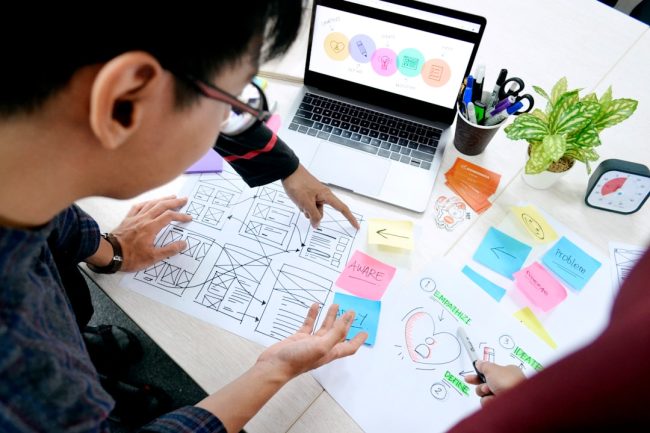
The Art of Learning: Making the Most of Every Moment for Development & Growth In today’s fast-paced world, learning is crucial. Every moment offers the chance to grow, whether in a business environment, an educational setting, or a personal development journey. At Designing Digitally, we think that the first step in producing memorable educational experiences is realizing the importance of every learning moment. Formal or informal, every interaction has the potential to be a teaching moment. In conventional educational environments, where learning is limited to planned lessons and tests, this idea is frequently disregarded.
But the truth is that learning never stops, and realizing this can change how we approach training and education. By recognizing that every moment can contribute to the acquisition of knowledge, we enable students to take charge of their educational paths. Also, realizing the significance of each learning opportunity motivates instructors & trainers to use more deliberate methods. It encourages them to design spaces where students can experiment, ask questions, & make mistakes without fear.
In addition to increasing engagement, this change in viewpoint promotes a continuous improvement culture. Learners are more inclined to take on challenges and look for new opportunities when they understand that every experience—success or failure—contributes to their personal development. For education to be effective, the learning environment must be stimulating & positive. Students are more likely to actively participate & take in information when they feel valued and at ease. Numerous tactics, including integrating interactive components into classes, promoting candid communication, & offering chances for teamwork, can foster this atmosphere. At Designing Digitally, we place a strong emphasis on the value of establishing environments that allow students to express themselves freely.
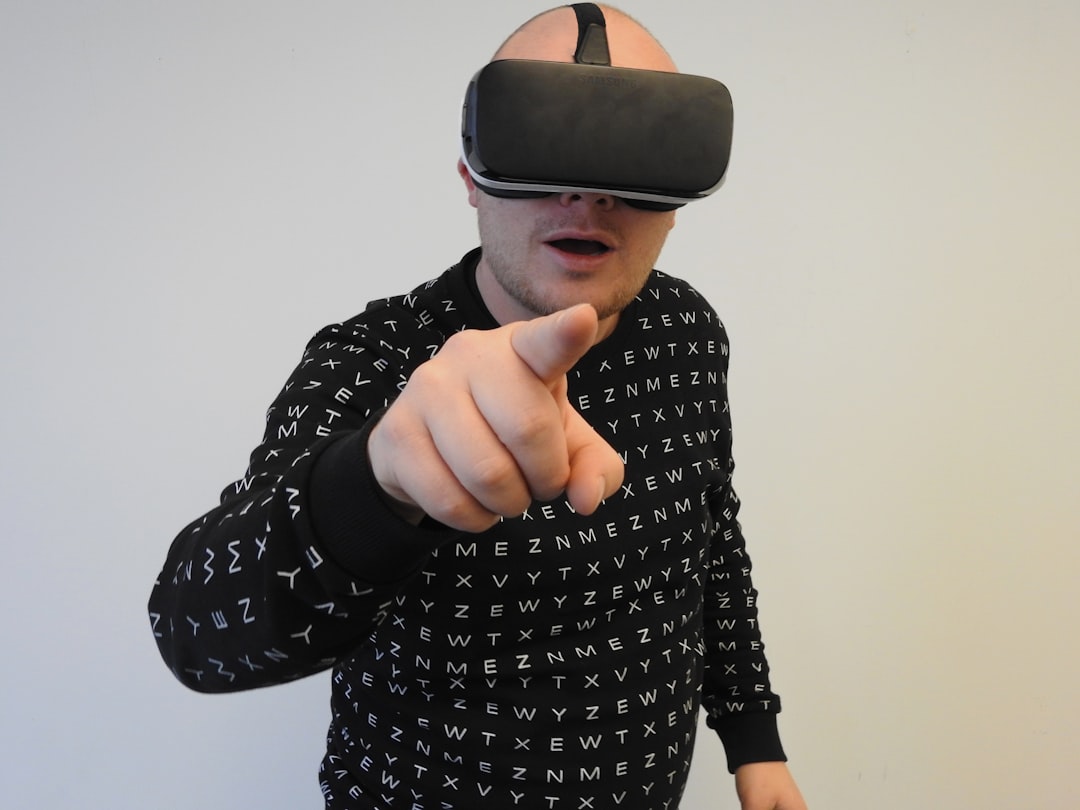
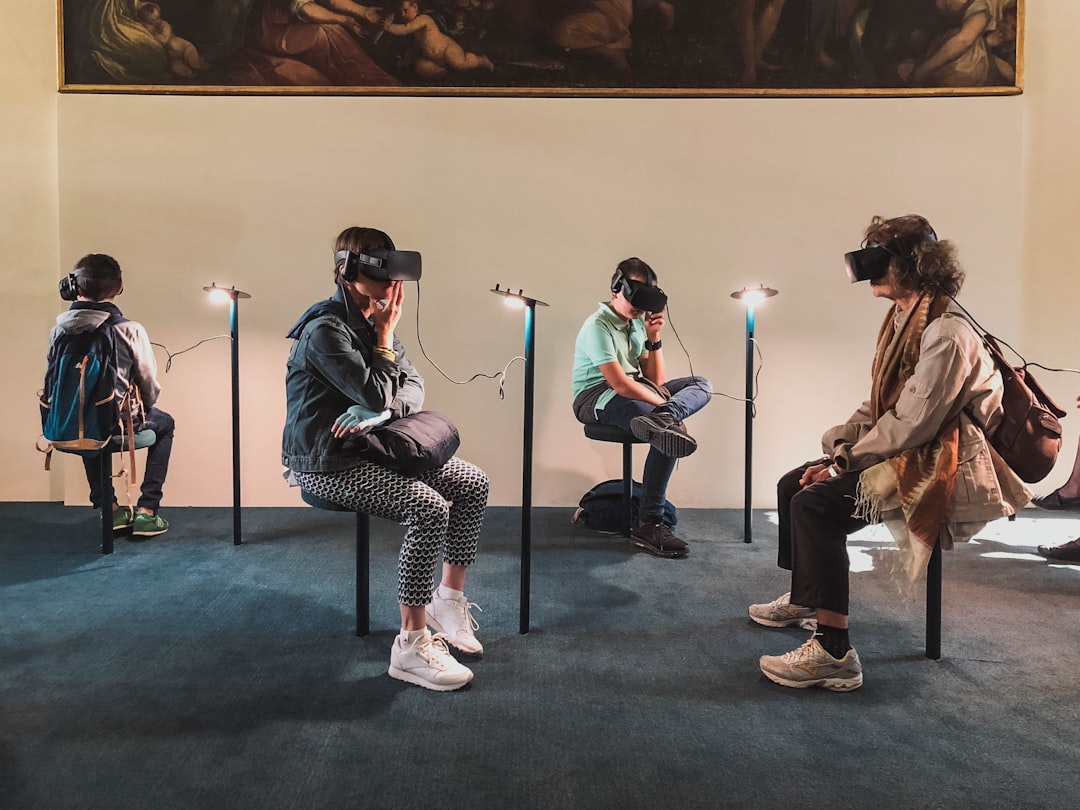
This can be accomplished by utilizing technology, such as gamified learning platforms or virtual classrooms, which can enhance the learning process and make it more engaging. Multimedia components and interactive exercises allow us to draw in students and maintain their interest throughout. Also, creating a feeling of community in the classroom can greatly improve the whole experience. Students are more inclined to ask questions, share ideas, & offer support to one another when they feel a sense of connection to their teachers and peers.
In addition to raising spirits, this feeling of community fosters cooperation and teamwork—two qualities that are crucial in the connected world of today. Effective education requires an understanding of the variety of learning styles that people possess. While some learners might do best in visual settings, others might favor kinesthetic or auditory methods. Teachers can accommodate these diverse preferences & guarantee that every student has the chance to succeed by employing a range of teaching strategies. A variety of learning styles can be addressed by incorporating multimedia resources, such as interactive simulations, infographics, and videos. For example, charts and diagrams may help visual learners, but podcasts or discussions may work better for auditory learners.
Conversely, kinesthetic learners might benefit greatly from practical exercises that let them interact with the content. Also, giving students options for how they interact with the material can enable them to take charge of their education. Teachers can encourage students to explore their interests & strengths by offering options for projects or assessments, such as written reports, presentations, or artistic demonstrations.
This individualized approach not only increases motivation but also promotes a deeper comprehension of the subject matter. Including real-world experiences and applications in the curriculum is one of the best ways to improve learning. Students are more likely to interact with the content and remember it when they can relate concepts to their lives or future careers. The development of critical thinking abilities and the preparation of students for success in their chosen fields depend on this link between theory & practice.
At Designing Digitally, we support opportunities for experiential learning that let students use what they’ve learned in real-world situations. Case studies, simulations, or internships that offer practical experience in real-world situations may be used for this. We assist students in gaining a deeper comprehension of the subject matter and developing useful skills that will benefit them in their careers by bridging the gap between theory and practice. Also, the learning process can be enhanced by asking industry professionals or guest speakers to share their experiences.
Through these exchanges, students gain knowledge of contemporary issues and trends in their fields and are better able to comprehend the significance of their studies. We equip students to confidently negotiate the challenges of their future careers by tying classroom knowledge to practical applications. Feedback is an essential part of the educational process. It supports students in reaching their objectives while assisting them in identifying their areas of strength & growth.
Giving feedback continuously, as opposed to waiting until a project or course is finished, guarantees that students get timely information that can guide their development. At Designing Digitally, we place a strong emphasis on the value of formative assessments that enable ongoing evaluation throughout the learning process. Peer reviews, quizzes, and self-reflections are just a few of the ways these evaluations can be conducted. By implementing frequent feedback systems, we give students the chance to evaluate their comprehension and make the required corrections as they go. Also, encouraging a culture of constructive criticism promotes candid dialogue between educators and students.
Learners are more likely to accept feedback as a useful tool for progress when it is given in a constructive way that emphasizes development rather than criticism. This strategy not only improves individual performance but also fosters a supportive learning environment where everyone is motivated to advance. Communication and teamwork are vital abilities in the connected world of today. Encouraging students to collaborate promotes teamwork and aids in the development of interpersonal skills that are essential for success in any field. Teachers can increase student engagement and foster a feeling of community by providing opportunities for collaboration in the classroom. Collaboration can be effectively promoted through group projects, conversations, & peer-to-peer feedback sessions.
As they work together to overcome obstacles, these exercises not only give students the chance to exchange different viewpoints but also foster the development of their problem-solving abilities. At Designing Digitally, we use technology to promote teamwork & real-time communication through virtual platforms. Also, encouraging open lines of communication between teachers & students is essential to fostering a supportive environment. Students are more likely to participate fully in discussions & ask for assistance when necessary when they feel free to voice their ideas and worries.
This candid conversation promotes trust & a spirit of cooperation that improves the educational process as a whole. Fostering resilience in students requires a growth mindset, which is the conviction that skills can be developed via commitment and effort. Promoting this way of thinking enables people to view difficulties as chances for development rather than as roadblocks to achievement. Developing a growth mindset is a top priority in our educational programs at Designing Digitally.
Celebrating effort rather than just results is a good way to promote a growth mindset. Acknowledging students’ diligence & tenacity strengthens the notion that advancement is possible with commitment. Sharing the experiences of people who have overcome obstacles can also encourage students to view their own journeys from a similar angle.
Resilience is yet another essential element of effective education. We give students useful life skills by teaching them how to deal with obstacles and see setbacks as opportunities for growth. Including resilience-promoting activities, like problem-solving techniques or mindfulness exercises, can assist students in building the mental toughness required to overcome obstacles both within and outside of the classroom. One effective method for strengthening knowledge & expanding comprehension is reflection.
Encouraging students to think back on their experiences enables them to make connections between abstract ideas and actual circumstances. As people examine their educational experiences, this process not only improves retention but also fosters critical thinking. We at Designing Digitally support the inclusion of reflective practices in our curricula. Journaling activities, lesson-focused group discussions, or self-evaluations that encourage people to reflect on their development could all be part of this.
We assist students in internalizing their experiences & applying lessons learned to new circumstances by offering structured opportunities for reflection. Also, a collaborative learning environment where people can benefit from each other’s experiences is fostered by encouraging students to share their reflections with peers. In addition to enhancing the educational process overall, this discussion highlights the significance of using knowledge in real-world situations. In conclusion, making the most of every learning opportunity necessitates a multidimensional strategy that includes a range of tactics, from developing collaborative and resilient environments to creating engaging environments. At Designing Digitally, we’re dedicated to assisting organizations in utilizing these ideas to produce memorable educational experiences that are customized to meet their specific requirements.
Get in touch with us right now if you’re prepared to change the way you approach learning and development. Together, we can help each learner in your company reach their greatest potential.