The Transformative Power of Serious Games in Skill Development Serious games have become a revolutionary approach to education & training in a time when traditional learning methods frequently fail to engage students. Serious games are specifically created to accomplish educational goals while offering an immersive and interactive experience, in contrast to traditional games made only for entertainment. These games are an effective tool for skill development in a variety of fields, such as corporate training, healthcare, education, & military applications, because they combine game design principles with practical applications. By utilizing people’s natural desire to play, serious games turn routine educational activities into exciting and captivating pursuits. These games enthrall students and encourage them to actively engage in their own learning process by combining elements like storytelling, competition, & rewards.
Organizations are starting to incorporate serious games into their training programs as they become more aware of their potential, opening the door for a new era of efficient and entertaining learning. Serious games have many advantages that improve the learning process, and they go well beyond simple engagement. The ability to replicate real-world situations in a secure setting is one of the biggest advantages.
This enables students to hone their abilities and make choices without worrying about the repercussions in the real world. For example, within the boundaries of a game, medical students can conduct virtual surgeries and corporate employees can handle challenging business situations. This hands-on learning gives students the competence and self-assurance they need to succeed in their chosen fields.
Also, serious games encourage cooperation & teamwork. A lot of serious games are made to be played in groups, which encourages players to cooperate, plan, and communicate in order to accomplish shared objectives. In addition to improving interpersonal skills, this collaborative element mimics the dynamics of actual workplaces where cooperation is crucial.
Also, serious games frequently offer instantaneous feedback, enabling students to evaluate their performance and make modifications in real time. In order to ensure that skills are successfully acquired and to reinforce learning, this immediate feedback loop is essential. To target particular skill sets in a variety of industries, many serious games have been created. “Foldit,” a puzzle game that requires players to fold proteins into ideal structures, is one prominent example. In addition to keeping thousands of players interested, this game has advanced scientific understanding of protein folding, a crucial component of biochemistry. Serious games can have a real impact on real-world issues, as evidenced by the advances in drug design and disease treatment that have resulted from player solutions. “SimCityEDU,” an instructional adaptation of the well-known city-building game “SimCity,” is another striking example.
Students assume the role of city planners in this game, making choices regarding the distribution of resources, the construction of infrastructure, and environmental sustainability. Players gain knowledge of environmental science and urban planning while honing their critical thinking & problem-solving abilities by overcoming these obstacles. These games serve as an example of how serious gaming can successfully close the knowledge gap between theory & practice. In today’s fast-paced world, problem-solving skills are essential, and serious games are in a unique position to help students develop them.
People are frequently presented with difficult problems during gameplay that call for strategic planning and original thought. For example, in a corporate training game, staff members may face a simulated crisis that necessitates prompt resource management and decision-making. Players gain the ability to critically evaluate situations and come up with workable solutions under duress by navigating these scenarios. Serious games also promote experimentation and taking chances in a safe setting. Players can experiment with different tactics without the fear of failing that frequently accompanies making decisions in the real world.
This flexibility to experiment with various strategies encourages students to adopt a growth mindset, in which obstacles are seen as chances for personal development. Players hone their abilities and build a more comprehensive toolkit for addressing real-life difficulties as they repeatedly interact with these problem-solving scenarios. Serious games have a significant and complex effect on learning and growth.
According to research, students who play serious games have better retention rates than those who only use conventional teaching strategies. These games’ interactive features encourage cognitive functions that improve comprehension and memory retention. Players are more likely to absorb ideas & use them in practical contexts as they become fully immersed in the virtual world. Also, serious games are accessible to a wider audience because they accommodate a variety of learning styles.
While auditory learners can take in information through dialogue & narrative components, visual learners benefit from captivating graphics and animations. Kinesthetic learners do best in interactive settings that allow them to interact with objects and make decisions instantly. Serious games provide an inclusive learning environment that optimizes effectiveness and engagement by taking into account different learning styles.
It takes careful planning and thought to incorporate serious games into training and education initiatives. Organizations must first decide what their unique learning objectives are & how serious games can support them. Working together with instructional designers can help guarantee that the game’s content is pertinent and successfully covers the targeted knowledge or skill sets. After the goals are set, companies should choose or create games that appeal to their target market. When selecting or creating serious games, it is crucial to take into account variables like age group, industry relevance, and technological accessibility. To maximize the advantages of serious games, it is also essential to provide learners with sufficient resources & support.
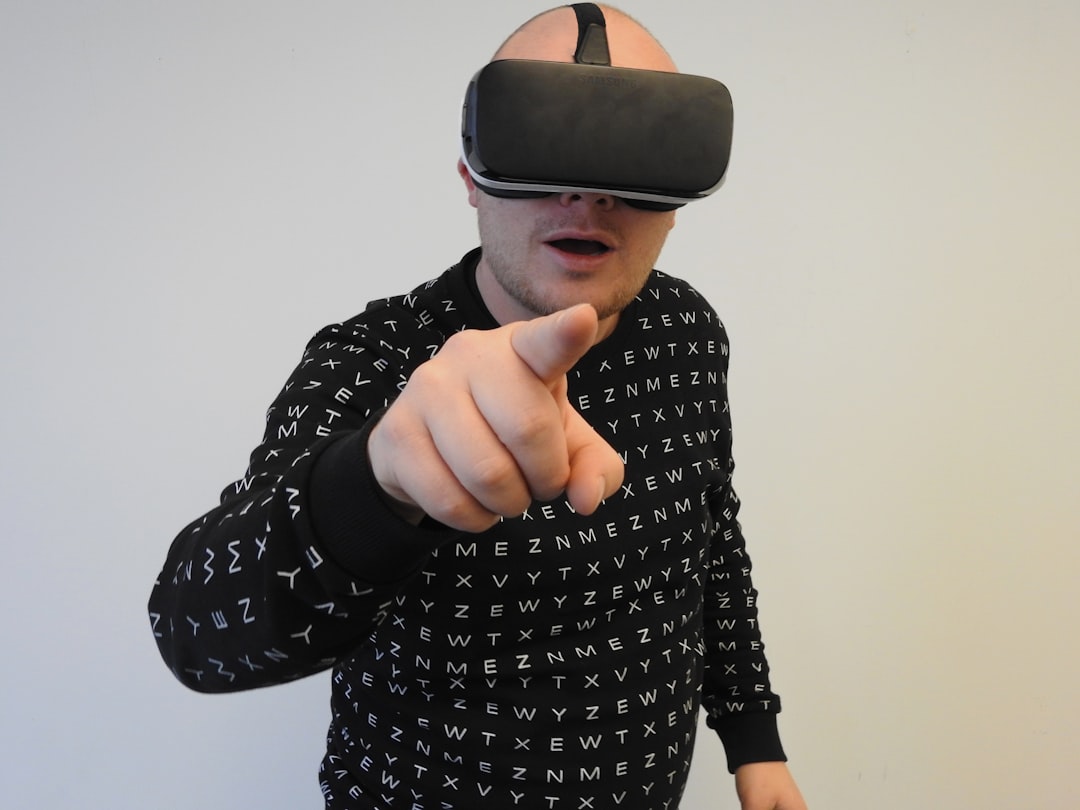
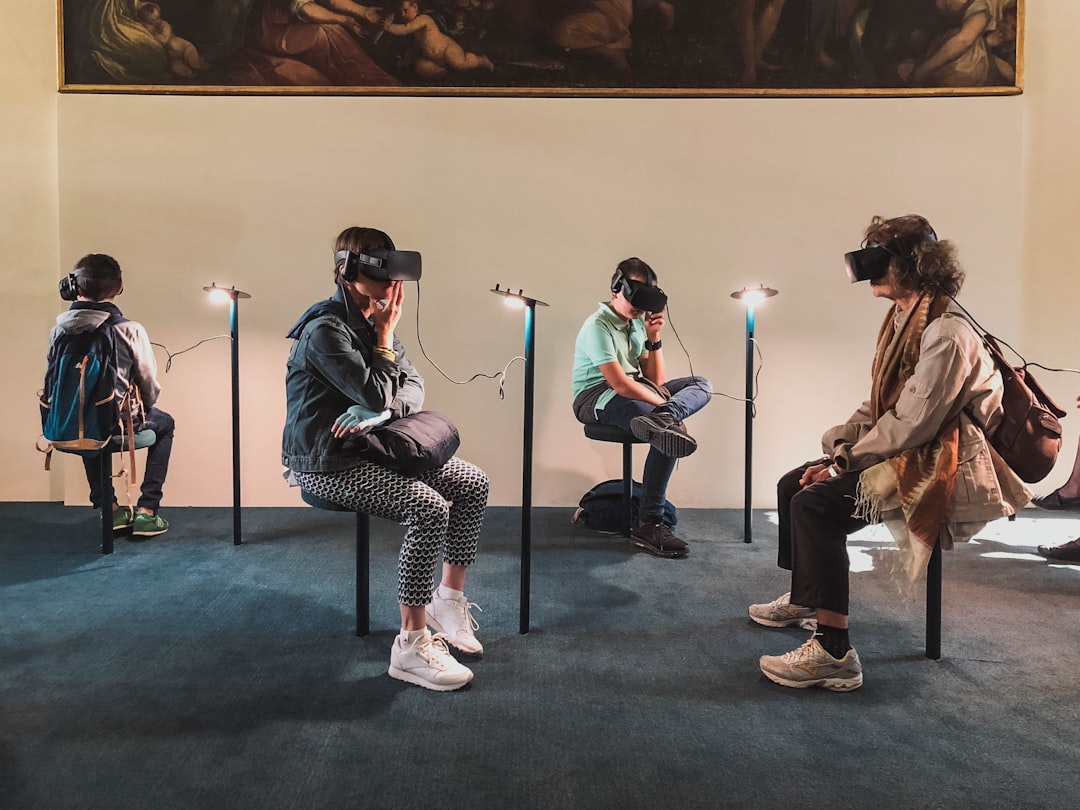
Offering tutorials, encouraging conversations about gaming experiences, or giving players the chance to consider what they learned from the game are some examples of how to do this. The future of serious games appears bright as long as technology keeps developing. Technological developments in augmented reality (AR) and virtual reality (VR) have the potential to completely transform how serious games are played. With the use of these technologies, learners can practice skills in realistic settings in even more immersive settings. For instance, VR simulations enable engineers to examine intricate machinery from within or take medical students into operating rooms. Also, there is a great deal of potential for individualized learning experiences when artificial intelligence (AI) is incorporated into serious games.
By analyzing player behavior, AI can modify gameplay to create challenges that are appropriate for each player’s skill level. This personalization guarantees that students stay interested while moving at their own speed. We can anticipate more creative uses in a variety of industries as businesses come to understand the importance of serious games in skill development.
To sum up, serious games offer a revolutionary method of skill development that blends engagement with successful learning objectives. These games enable students to learn vital skills while having fun by mimicking real-world situations and encouraging teamwork. Serious games have enormous potential to influence education in the future as long as organizations continue to adopt this cutting-edge approach to training & education. We at Designing Digitally are aware of how serious games can improve educational opportunities.
Our team specializes in developing serious games that are specifically designed to fulfill the demands of your company. We encourage you to get in touch with us for advice on how we can help you maximize the potential of serious games for skill development, whether you’re looking to improve employee training or educational programs. When we work together, we can develop interesting solutions that encourage students to succeed in their chosen fields while also educating them.