The Power of Simulations in Learning and Development In the quickly changing field of training and education, simulations have become a game-changing instrument that helps close the gap between theoretical understanding & real-world application. Through immersive environments created by simulations, students can participate in realistic situations, honing their skills and making decisions without worrying about the repercussions in the real world. This cutting-edge method of instruction develops critical thinking and problem-solving skills in addition to improving comprehension. The importance of simulations in learning and development has never been greater as businesses work to give their employees the tools they need to handle challenging situations.
We at Designing Digitally are aware of how simulations can transform training initiatives in a variety of sectors. Virtual reality (VR), custom digital training (AR), & gamification are examples of cutting-edge technologies that we can use to create interactive and captivating learning environments. As we learn more about simulations, it is clear that their advantages go well beyond simply imparting knowledge; they enable people to make competent decisions in their fields. Training programs can benefit greatly from the use of simulations.
First and foremost, simulations offer a secure environment where students can try new things and make mistakes. Fear of failure can stifle creativity and impede progress in traditional learning environments. On the other hand, simulations enable people to experiment with various tactics and methods without the consequences that could arise in actual circumstances. Resilience and adaptability are greatly enhanced by having the freedom to fail and learn from those mistakes. Also, simulations are an inclusive teaching tool because they accommodate different learning styles.
While kinesthetic learners participate through hands-on activities, visual learners gain from immersive graphics and interactive elements. Simulations improve learner engagement and retention by accommodating a variety of preferences. They also encourage cooperation and teamwork because many simulations call for participants to cooperate in order to solve issues or accomplish shared objectives. This collaborative element mimics the dynamics of actual workplaces while also enhancing the educational process.
There are many different types of simulations, all of which are intended to achieve particular learning goals. Scenario-based simulations are a well-liked kind that give students realistic scenarios that call for judgment and critical thinking. These situations, which can include anything from business negotiations to medical emergencies, let participants put their knowledge to use in a safe setting. Scenario-based simulations work especially well in fields where flexibility and quick thinking are crucial. Role-playing simulations are another common kind in which students take on particular roles in a given setting.
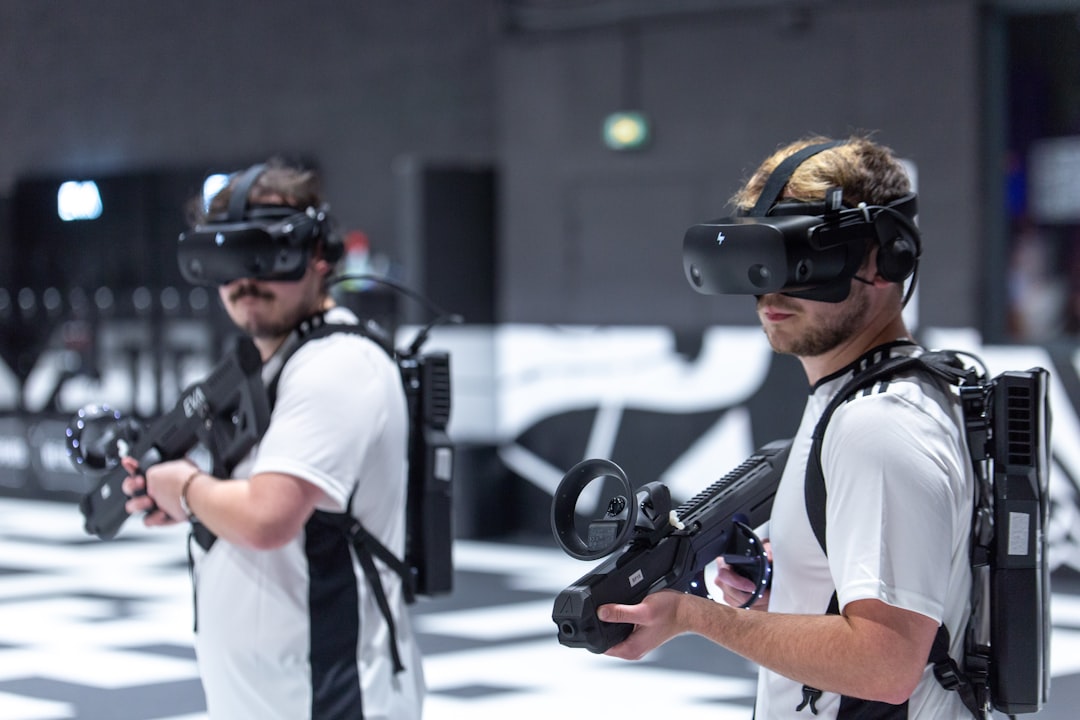
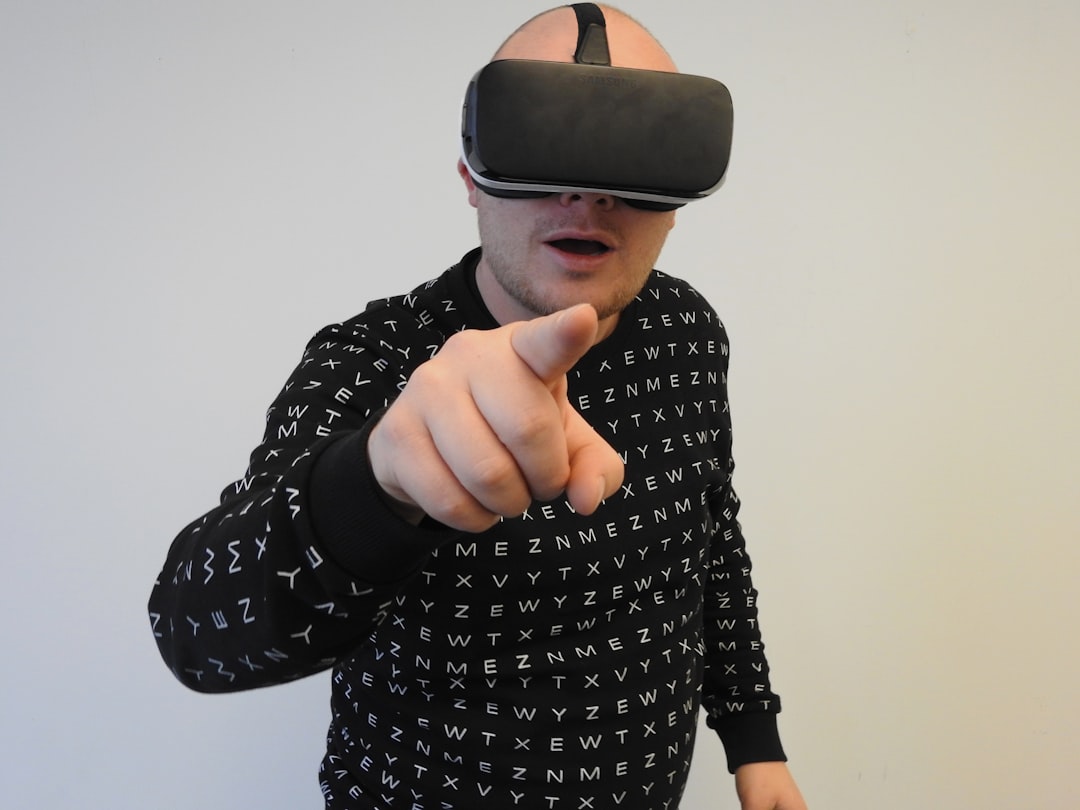
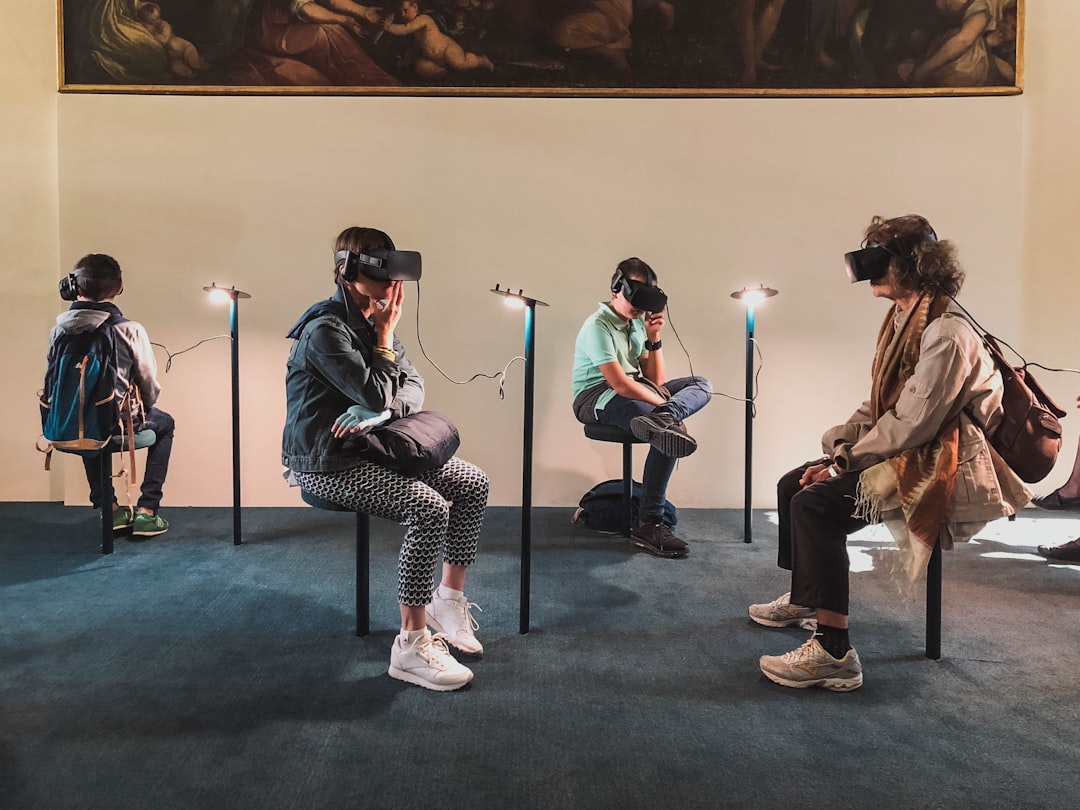
By letting people see things from various angles, this method promotes empathy and understanding. Employees may role-play as both customers & service representatives during customer service training, for example, to learn about the difficulties that each side faces. This dual viewpoint improves communication abilities and raises the standard of services in general. Also, technology-driven simulations—like virtual reality experiences—are becoming more popular across a number of industries. These immersive settings put students in realistic situations so they can practice skills in a way that feels real.
For instance, emergency responders can navigate disaster scenarios or medical students can conduct virtual surgeries—all within a secure digital environment. The options for simulation types will grow as technology develops, providing even more creative ways to improve learning. The ability of simulations to boost learners’ confidence is one of their most important advantages. People can repeatedly practice skills without the stress of real-world consequences when they participate in simulated experiences. Because of the familiarity and competence that this repetition fosters, students are better equipped to take on challenges.
They gain a sense of mastery as they negotiate different situations and make choices, which boosts their confidence. Also, simulations offer instantaneous feedback, which is essential for improving skills. Real-time performance evaluation allows participants to pinpoint areas for development & reinforce effective tactics. In addition to improving learning, this feedback loop gives students a sense of achievement as they see their development over time. Practice, feedback, and progressive exposure to complexity enable people to face obstacles in the real world with confidence and poise.
Simulations are even more important in high-stakes settings like healthcare & aviation, where trust can mean the difference between life and death. Under pressure, professionals in these fields need to be able to react quickly and efficiently. People can improve their abilities and gain the self-assurance necessary to perform at their best when it counts most by modeling high-stress scenarios. Simulations are used in many different industries, all of which gain from this cutting-edge method of training. For example, medical professionals use simulations to diagnose conditions, practice surgery, and enhance patient interactions.
Healthcare professionals can improve patient safety and hone their skills without endangering lives by taking part in realistic scenarios. Organizations in the business sector use simulations for team-building activities & leadership development. These simulations frequently feature intricate business situations that call for participants to plan ahead, work together, and make choices under duress. Employers can foster critical leadership traits like communication, problem-solving, and adaptability by involving staff members in these experiences. Another area where simulations have had a big influence is education.
In order to better prepare students for the challenges of the real world, schools and universities are increasingly integrating simulation-based learning into their curricula. Simulations encourage students to learn actively while developing their critical thinking abilities, from virtual labs in science classes to historical reenactments in social studies classes. Organizations should follow a number of best practices in order to optimize the efficacy of simulations in training programs. Above all, it is crucial to match simulations with particular learning goals.
Clearly stated objectives guarantee that participants are aware of the simulation’s purpose and what is expected of them. Focus & motivation are improved throughout the learning process by this alignment. It’s also essential to give participants enough time to prepare. Learners should be given background information about the scenario and any pertinent concepts they need to grasp before beginning a simulation. People can approach the simulation with confidence thanks to this preparation, which creates the conditions for meaningful engagement.
In order to reinforce learning outcomes, it is also essential to include debriefing sessions following simulations. Participants have the chance to think back on their experiences, exchange ideas, and talk about areas that need work during these conversations. Organizations can promote ongoing development & increase understanding by fostering open communication. Last but not least, utilizing technology can greatly improve the simulation experience.
VR and AR are examples of cutting-edge tools that can be used to create more immersive environments that hold students’ attention. In order to maintain the relevance and impact of their simulations, organizations should keep up with new trends in technology. Simulations have many advantages, but they also have drawbacks. The initial outlay needed to create high-quality simulations is one major obstacle. Realistic scenario creation frequently requires significant financial and human resources, particularly when utilizing cutting-edge technologies like VR or AR.
When contemplating simulation-based training, organizations must balance these expenses against the possible return on investment. Making sure that simulations faithfully replicate real-world circumstances presents another difficulty. Participants may find it difficult to apply what they have learned to real-world work performance if scenarios are excessively simplistic or unrealistic. Thus, in order to guarantee authenticity and relevance, organizations must work with subject matter experts throughout the design process.
Also, some students may initially be reluctant to participate in simulations because they are unaccustomed to or uneasy with technology. Organizations should offer sufficient assistance and instruction on how to use simulation tools efficiently in order to overcome this difficulty. Organizations can maximize the advantages of simulation-based training & encourage participation by cultivating a culture that is receptive to new learning approaches.
Simulations will undoubtedly continue to be crucial in creating training programs that are successful across industries as we look to the future of education & training. In a world growing more complicated by the day, the capacity to design immersive experiences that promote confidence and skill development is priceless. In addition to improving worker performance, companies that use simulation-based training will foster a culture of lifelong learning. We at Designing Digitally are dedicated to using simulations to fulfill the specific training requirements of our clients.
Our experience can assist you in achieving your objectives, whether you’re looking to create engaging virtual environments for corporate leadership development or scenario-based training for your healthcare team. We invite you to accompany us on this journey toward creative learning solutions as technology develops and new approaches appear. By working together, we can fully utilize simulations within your company, giving your employees the tools they need to prosper in a constantly shifting environment.
Get in touch with us now to discuss how we can work together on your upcoming training project!