Organizations are always looking for new & creative ways to improve employee engagement & performance in the fast-paced business world of today. Professional development through workplace simulations has become a successful strategy. Employees can practice skills and make decisions in a risk-free environment thanks to these dynamic and interactive learning experiences. Digitally Designed, Inc. focuses on developing specialized simulation solutions that are adapted to particular organizational requirements.
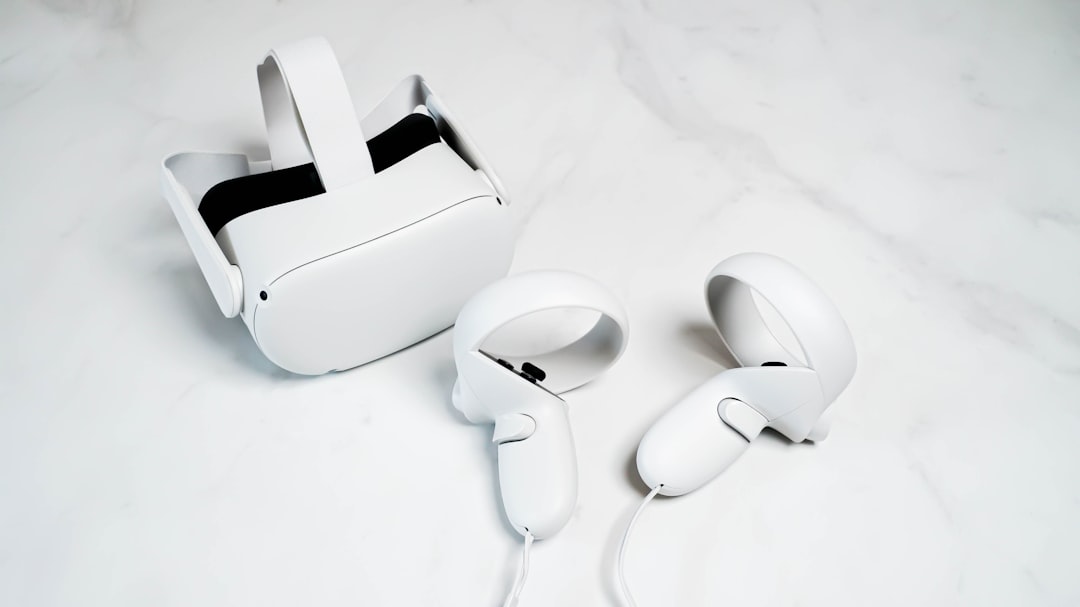
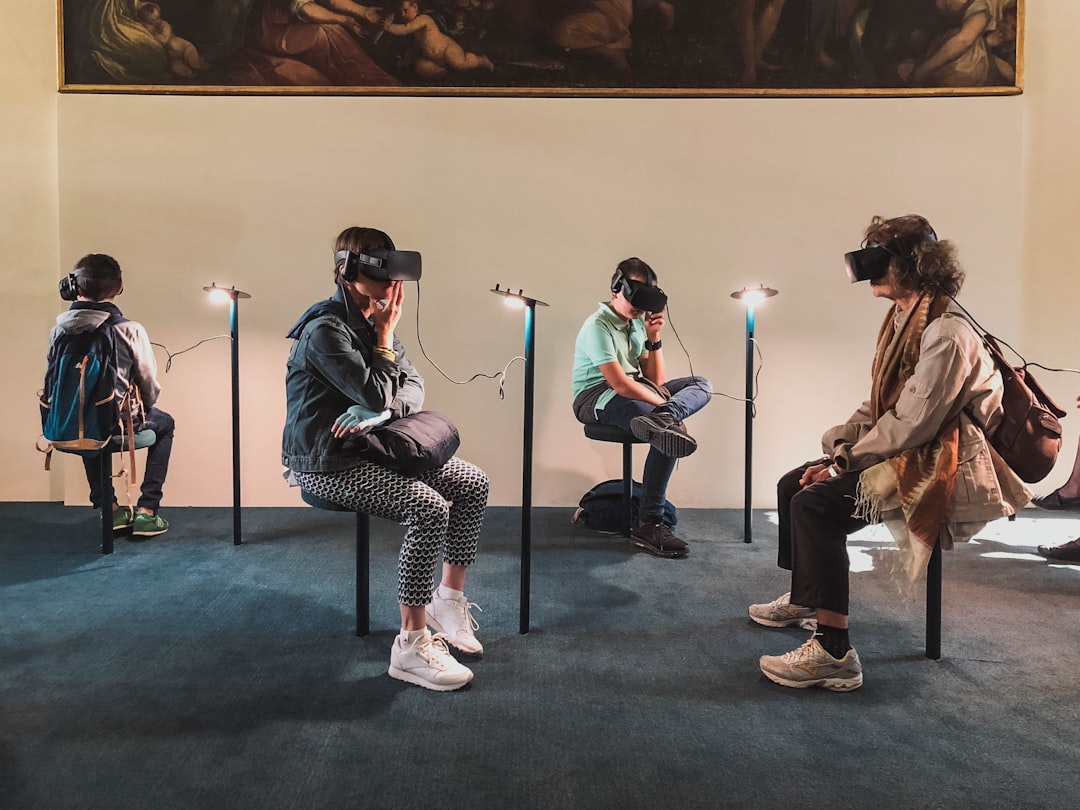
There are many different types of simulations, such as role-playing games & virtual reality settings, and they are used in a wide range of industries. These training tools foster the development of employees’ critical thinking, problem-solving, and decision-making skills by placing them in authentic scenarios. According to research, simulations are now a crucial part of modern training and development plans, providing quantifiable gains in skill retention and real-world application.
They are not just a passing fad. A key component of successful training programs is experiential learning, and simulations are an excellent illustration of this strategy. Experiential learning involves participants actively, enabling them to learn by doing, in contrast to traditional learning approaches that frequently depend on passive absorption of information.
Because employees can immediately apply what they have learned in a controlled environment, this hands-on approach promotes deeper understanding and retention of knowledge. The ability to receive immediate feedback is one of the main advantages of experiential learning through simulations. Real-time viewing of the results of decisions reinforces learning & motivates participants to consider their options. As employees become more skilled at handling challenging circumstances, this iterative process not only improves skill acquisition but also boosts confidence.
Our specialty at Designing Digitally is developing tailored simulations that complement the objectives of your company and guarantee that your staff members get the most out of their educational opportunities. In any workplace, the ability to make decisions is essential, and simulations offer the perfect setting for developing this skill. Simulations replicate the complexity of real-world decision-making by putting workers in realistic situations where they must evaluate options, analyze data, and make decisions. Employees can take into account a number of factors before reaching a decision thanks to this practice, which aids in the development of an organized approach to problem-solving. Also, simulations promote teamwork & communication. Decision-making is frequently a collaborative process involving input from several stakeholders.
Employees can practice negotiating, persuading, and coming to an agreement with their peers by creating simulations that call for teamwork. At Designing Digitally, we can assist you in developing simulations that highlight the value of teamwork in accomplishing organizational objectives in addition to individual decision-making abilities. Let’s look at some real-world examples from various industries to demonstrate the usefulness of simulations in the workplace. For example, medical professionals in the healthcare industry frequently participate in simulation-based training to rehearse emergency response scenarios or surgical procedures. They can improve patient outcomes by honing their skills without endangering patients thanks to these simulations.
Businesses such as Boeing have used flight simulators to train pilots. Pilots can practice maneuvers & emergency procedures in a secure setting by using these high-fidelity simulations, which mimic the experience of flying an aircraft. A workforce that is more equipped to handle obstacles in real life is the end result. We at Designing Digitally can assist you in locating comparable opportunities within your company to put into practice efficient simulations that are customized to meet your unique requirements. Simulations are essential for training and development because they help close the knowledge gap between theory and practice.
Employees who receive traditional training frequently have a lot of knowledge but little experience using it in practical settings. This gap is filled by simulations, which offer an experiential learning platform that strengthens theoretical ideas through real-world application. Also, simulations can be incorporated into all phases of employee development, from upskilling current employees to onboarding new hires. By adding simulations to your training courses, you can foster an environment of ongoing learning that motivates staff members to develop and change as their responsibilities change.
Our goal at Designing Digitally is to assist organizations in creating all-encompassing training plans that maximize the impact of simulations. Despite the obvious advantages of simulations, organizations may encounter difficulties when putting them into practice. Resistance to change is a common barrier; staff members may be reluctant to adopt new strategies because they are used to more conventional training techniques.
It’s crucial to explain the benefits of simulations & show how they can improve learning outcomes in order to get past this resistance. Making sure simulations are pertinent and in line with organizational objectives presents another difficulty. Participants may become disinterested and frustrated with poorly designed simulations. In order to develop customized simulations that connect with staff members and produce significant outcomes, we at Designing Digitally collaborate closely with our clients to fully grasp their unique requirements and goals.
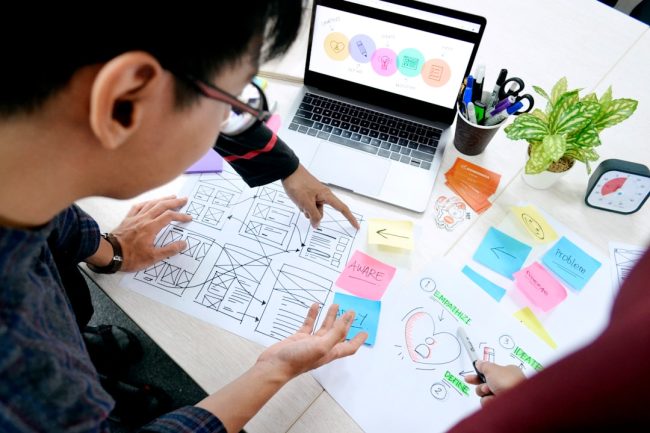
The use of simulations in the workplace necessitates careful preparation and implementation. The first step is to evaluate the training requirements of your company & pinpoint areas where simulations might be useful. This could entail getting feedback from stakeholders and employees to learn about their learning styles & challenges. Working with professionals who can create successful scenarios that support your goals is essential once you’ve determined possible areas for simulation implementation. Creating immersive simulations that captivate students and promote skill development is our area of expertise at Designing Digitally.
Our staff will collaborate with you at every stage to guarantee the effectiveness and impact of your simulation projects. Organizations must develop evaluation metrics in order to fully comprehend how well simulations enhance decision-making abilities. Assessing knowledge retention and skill acquisition before and after the simulation may be part of this. Also, getting participant feedback can offer insightful information about their experiences & areas for development. Seeing how workplace performance changes after simulation training is another crucial component of impact measurement.
By monitoring these results over time, organizations can evaluate the return on investment for their simulation initiatives. Are workers making better decisions? Are they working more productively with their teams? We at Designing Digitally can help you create assessment frameworks that precisely gauge how your simulation programs affect decision-making and general worker performance.
In summary, simulations are an effective tool for improving organizational training and development. Employers can give their staff the tools they need to succeed in the challenging business environment of today by embracing experiential learning through simulations. Please get in touch with Designing Digitally, Inc.
if you’re interested in learning more about how simulations can help your company. We are here to help you design and implement effective simulation projects that are suited to your particular requirements.