Skills-Based Workforce Planning: A Whole-System Approach In the quickly changing business environment of today, we are confronted with previously unheard-of opportunities & challenges. One cannot stress the significance of workforce planning based on skills. In order for organizations to stay competitive, we must acknowledge that our workforce is a dynamic entity that needs strategic planning & careful management, rather than just a collection of workers. We can make sure that we are not only filling jobs but also developing a workforce that is flexible, agile, and prepared to meet future demands by concentrating on the particular skills required to accomplish our organizational goals.
Also, skills-based workforce planning enables us to match our human resources to our organization’s strategic goals. Fostering a culture of innovation & ongoing improvement requires this alignment. Prioritizing skills over traditional job titles fosters an environment where workers can flourish, acquire new skills, & make significant contributions to our group’s success. This strategy improves employee engagement while increasing productivity and efficiency, which eventually results in better business outcomes. In order to implement skills-based workforce planning, Learning and Development (L&D) is essential.
In exploring the critical role of Learning and Development (L&D) in skills-based workforce planning, it is insightful to consider the innovative approaches taken in various sectors. A related article that highlights the effectiveness of simulation-based training in healthcare is available at Trauma Unit Nurse Training Simulation. This article showcases how immersive training solutions can enhance the skills and preparedness of healthcare professionals, emphasizing the importance of tailored learning experiences in meeting workforce demands.
It is becoming more and more obvious that investing in the professional development of our staff is crucial to keeping a competitive edge as we negotiate the complexity of our sector. L&D programs offer the framework for identifying, developing, & improving the skills required for our workforce to succeed. By encouraging a culture of learning, we enable our staff members to take charge of their own professional growth, which benefits the company as a whole. Also, L&D acts as a link between present capacities and future requirements. We can give our employees the skills they need to adjust to shifting market conditions & technological advancements by providing them with specialized training programs and development opportunities.
In addition to reducing the possibility of a skills gap, this proactive strategy establishes us as industry leaders. By giving L&D top priority in our workforce planning strategy, we develop a long-term growth model that is advantageous to both the company & its employees. The first step in implementing skills-based workforce planning successfully is determining the needs and skills gaps in our company. An extensive evaluation of our current workforce capabilities is the first step in this process.
Through the analysis of employee performance data, surveys, and candid conversations with team members, we can learn a great deal about the skill sets that are currently present in our company. This data is essential for figuring out where we stand and what needs to be improved. Prioritizing the skills gaps according to their importance to our company’s objectives is crucial after they have been identified. Both short-term demands & long-term strategic goals must be taken into account.
In exploring the significance of Learning and Development (L&D) in shaping a skills-based workforce, it is insightful to consider how various industries adapt to these changes. For instance, the real estate and development sector has been increasingly focusing on workforce planning to meet evolving market demands. A related article discusses the innovative strategies being employed in this field, highlighting the importance of continuous learning and skill enhancement. You can read more about this in the article on real estate and development.
We can make sure that our workforce is prepared for both present & future opportunities by using a comprehensive approach to skills assessment. We can effectively allocate resources and create focused training programs that address particular skill deficiencies thanks to this proactive approach. We can proceed with creating specialized training programs once we have a firm grasp of the skills gaps in our company. These initiatives ought to be customized to satisfy the particular requirements of our employees while supporting our corporate goals.
In exploring the significance of Learning and Development (L&D) in skills-based workforce planning, it is essential to consider innovative approaches that can enhance employee capabilities. One such method is game-based learning, which has been shown to effectively boost employee skills and engagement. For a deeper understanding of this approach, you can read more about it in the article on boosting employee skills through game-based learning, which highlights the transformative power of interactive training methods. This connection between L&D and skill enhancement is crucial for organizations aiming to adapt to the evolving job market. You can find the article here: boosting employee skills through game-based learning.
To create a comprehensive learning experience that accommodates different learning styles, we must take into account a variety of learning modalities, including workshops, online courses, mentorship programs, & on-the-job training. Our training initiatives should prioritize developing a growth mindset in staff members in addition to filling in current skill gaps. We can foster a culture where employees feel empowered to actively seek out new knowledge and skills by promoting ongoing learning and adaptability. This strategy not only improves individual performance but also strengthens our organization’s overall ability to adapt to change.
Maintaining the momentum created by our training programs requires the implementation of initiatives for ongoing learning and development. We need to establish an atmosphere where learning is seen as a continuous process rather than a one-time occurrence. This can be accomplished by incorporating educational opportunities into regular tasks, promoting teamwork, & granting access to tools that facilitate independent learning. Also, we should use technology to support lifelong learning.
Employees can have flexible access to learning resources at their convenience through mobile applications, online platforms, and virtual training sessions. We can maintain our workforce’s engagement and motivation to actively pursue professional development by embracing innovative solutions. In addition to improving individual capabilities, this dedication to lifelong learning fortifies our company culture. We need to set up reliable measurement frameworks to make sure that our L&D programs are successful in filling skills gaps. We can assess how our training programs affect employee performance and organizational outcomes by establishing specific goals and key performance indicators (KPIs).
Frequent evaluations enable us to pinpoint problem areas and make data-driven choices about upcoming training expenditures. Also, getting participant feedback is essential to determining how successful our L&D programs are. One-on-one interviews, focus groups, & surveys can all offer insightful information about how employees feel about the training they receive. Over time, we can improve the relevance and efficacy of our L&D initiatives by actively seeking feedback and making the required changes in response to it.
L&D initiatives need to be closely aligned with our organization’s goals and objectives in order to be truly effective in skills-based workforce planning. This alignment guarantees that our training initiatives are not only pertinent but also directly contribute to the overall success of the company. To make sure that L&D strategies represent the business’s priorities, we must involve important stakeholders in the planning process. Maintaining this alignment also requires frequent communication between leadership and L&D teams.
We can make sure that our training programs adapt to shifting business requirements and new industry trends by cultivating a cooperative relationship. By taking a proactive stance, we can maximize the return on investment in employee development while maintaining agility in our workforce planning efforts. It is obvious that L&D will continue to be essential to skills-based workforce planning in the future. Because of the quick speed at which technology is developing and the constantly changing nature of the market, we will need to be on the lookout for new skill requirements within our company. In our L&D strategies, we must adopt a forward-thinking perspective that gives flexibility & creativity top priority.
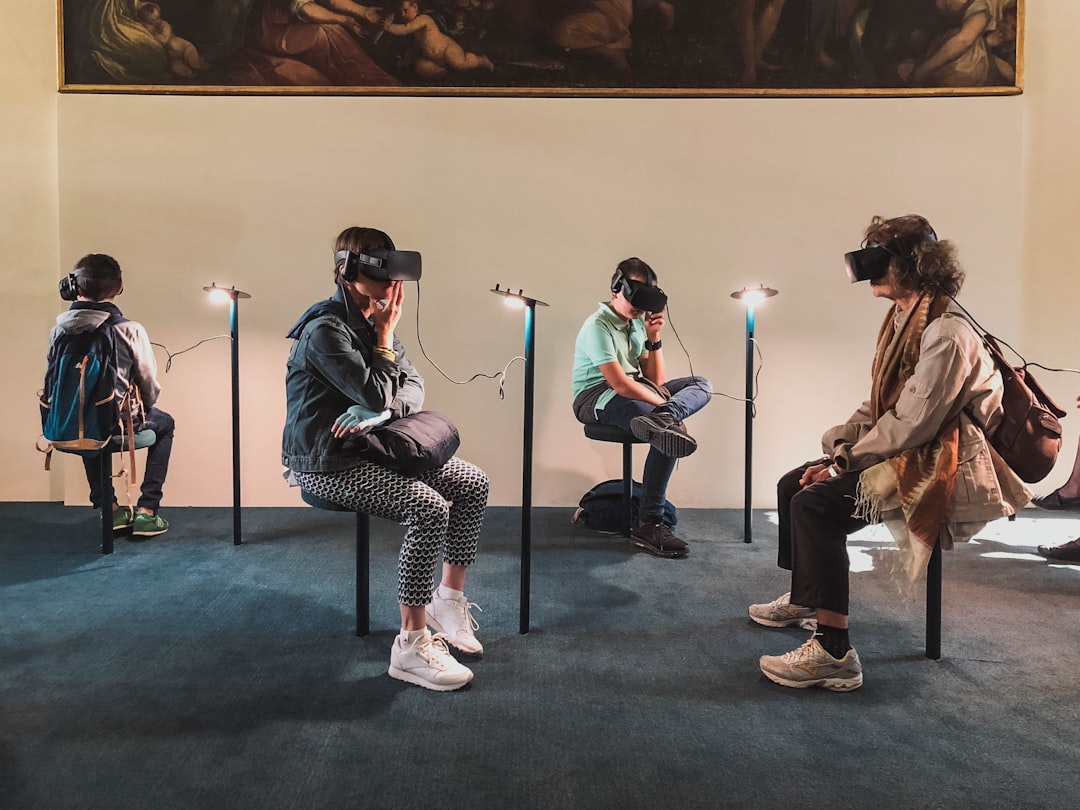
Also, as remote work becomes more common, we will need to look into innovative approaches to providing training & development opportunities that accommodate a dispersed workforce. Immersion technologies like virtual reality, virtual learning environments, and online collaboration tools will probably become essential parts of our learning and development programs. We can develop interesting learning opportunities that appeal to workers wherever they may be by embracing these developments. To sum up, skills-based workforce planning is a crucial tactic for companies looking to prosper in a constantly evolving business environment.
We can develop a workforce that is not only competent but also empowered to propel innovation & success by giving priority to L&D initiatives that close skills gaps, promote ongoing learning, and support organizational objectives. As we proceed, let’s not waver in our commitment to investing in our people—our most precious resource—and seize the chances to shape the future of collaborative work.