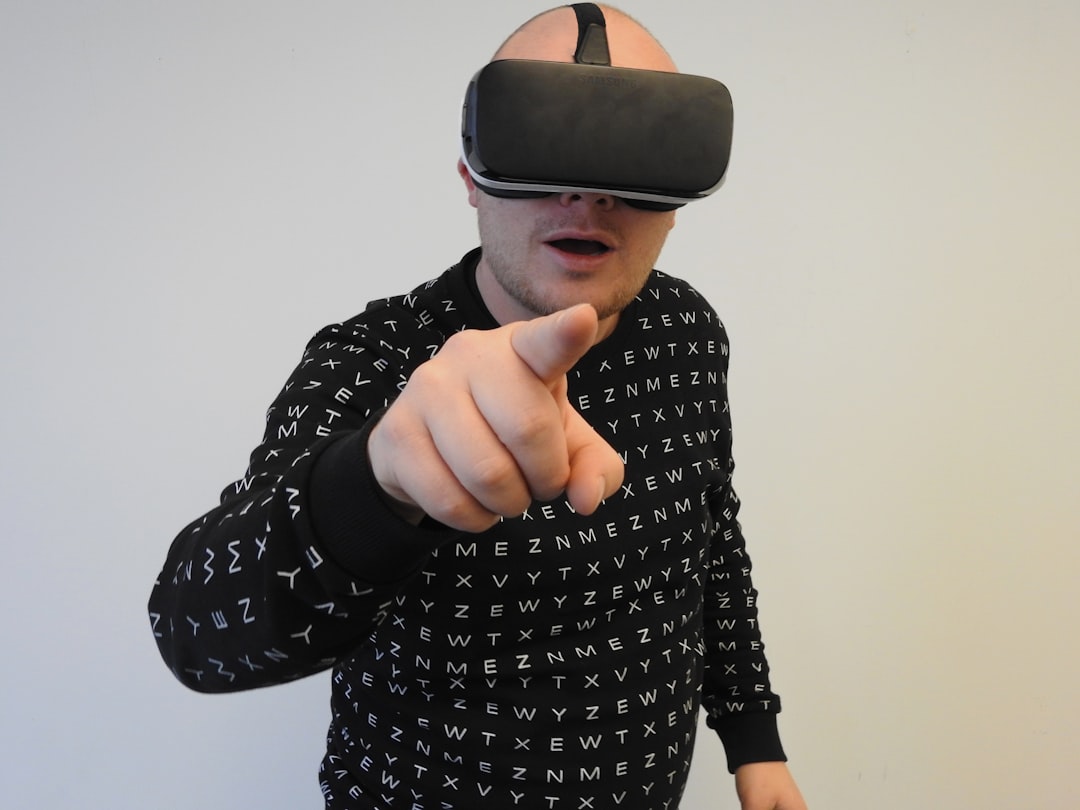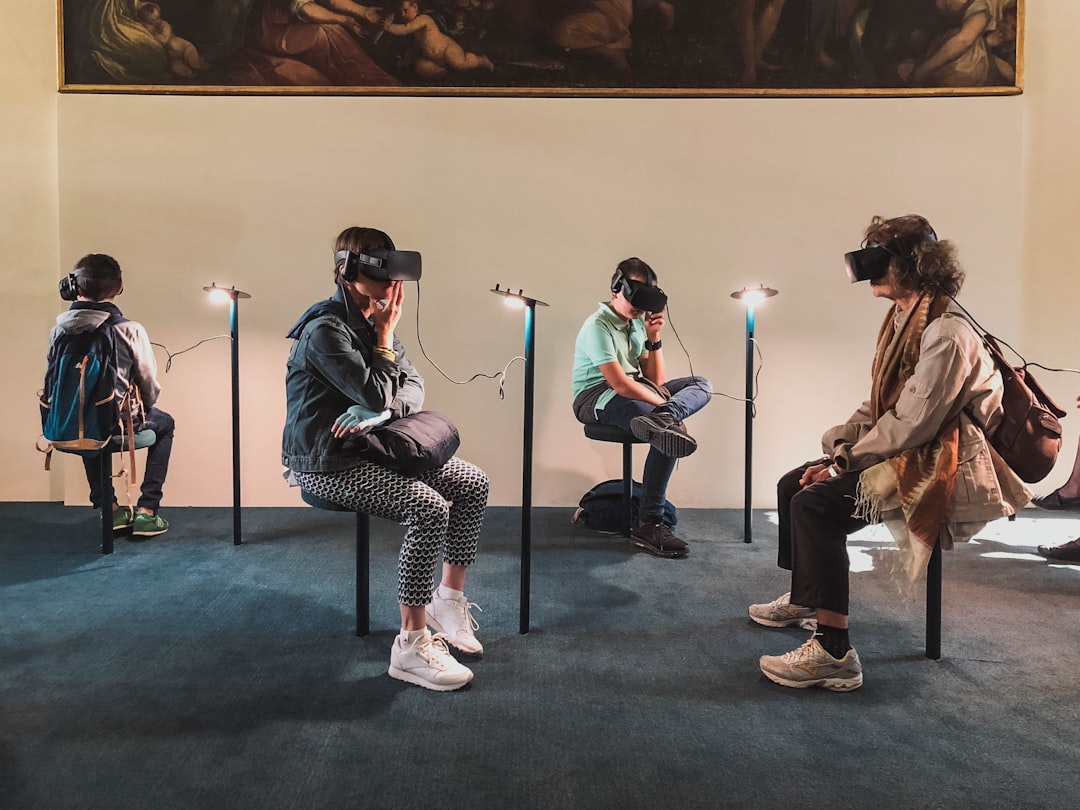
The Effect of Virtual & Augmented Reality on Workforce Training We are at the vanguard of a revolution in workforce training as we navigate the quickly changing technological landscape. In a number of industries, virtual reality (VR) and augmented reality (AR) have become game-changing technologies that are changing how we approach learning and development. These technologies provide previously unheard-of chances for knowledge retention & skill acquisition by immersing students in virtual environments or superimposing digital content on the real world.
The many advantages, uses, difficulties, & potential applications of VR and AR in workforce training will all be covered in this article. VR and AR integration into training programs is a fundamental change in how we interact with educational content, not just a fad. Lectures and manuals are examples of passive learning strategies that are frequently used in traditional training methods, which can result in disengagement and poor memory. VR & AR, on the other hand, encourage active engagement and let us practice skills in realistic situations without the dangers of real-world applications. We will learn more about the various ways these technologies are improving workforce training and getting us ready for the challenges of the future as we dig deeper into this subject.
In exploring the transformative impact of technology on workforce training, a related article titled “Boosting Employee Growth: Effective Workplace Training” delves into various innovative training methods, including the integration of virtual and augmented reality. This article highlights how immersive technologies can enhance learning experiences and improve employee engagement. For more insights on effective training strategies, you can read the full article here.
The ability to create immersive learning experiences is one of the biggest benefits of using VR and AR in workforce training. We can engage students in a way that is unmatched by conventional methods by simulating real-world environments. This immersive feature improves retention rates in addition to drawing in viewers.
According to studies, students who interact with VR or AR content are more likely to retain knowledge and use it successfully in the workplace. This is especially important in high-stakes sectors where accuracy and precision are critical. Also, VR and AR offer a secure environment where students can practice skills without worrying about making expensive mistakes. For example, in industries like healthcare or aviation, trainees can practice intricate processes over & over again until they master them.
This practical experience increases competence and confidence, which eventually improves performance in real-world scenarios. These technologies also enable customized learning experiences that are tailored to each learner’s needs and pace, which can greatly increase the effectiveness of training as a whole. Numerous industries use VR and AR in workforce training, and each one gains something different from these technologies. For instance, VR simulations can be used by medical practitioners to rehearse surgeries or patient interactions in a safe setting. By putting them in realistic situations, this not only helps them improve their abilities but also gets them ready for the emotional parts of patient care. Similar to this, augmented reality (AR) can be used in the construction sector to superimpose digital blueprints onto real-world locations, enabling workers to see projects before they start, which lowers errors and boosts productivity.
In exploring the transformative impact of virtual and augmented reality on workforce training, it is insightful to consider how companies are successfully implementing these technologies to enhance their training programs. A related article discusses the innovative talent management and acquisition strategies employed by Rentokil Terminix, showcasing how they leverage digital solutions to improve employee onboarding and skill development. For more information on their approach, you can read the full story here.
VR training programs can replicate intricate machinery operations in the manufacturing industry, allowing workers to become acquainted with equipment without running the risk of harm or damage. This practical approach guarantees that workers are ready before they enter the factory and speeds up the learning curve. Retail companies are also using augmented reality (AR) to improve customer service training by simulating customer interactions and giving staff members immediate performance feedback. As we can see, VR and AR’s versatility makes them indispensable tools in a variety of fields. Even though VR and AR have many advantages, we must also recognize the difficulties & restrictions that come with using them in workforce training.
The expense of creating excellent VR and AR content is one major obstacle. A significant investment in software development, technology, and continuous maintenance is needed to create realistic simulations. These expenses can be unaffordable for many organizations, particularly smaller ones, which results in unequal access to cutting-edge training options. Adopting these technologies also involves a learning curve. The effectiveness of VR and AR systems may be hampered by the fact that some employees may not feel comfortable using them.
Employers need to devote time & funds to teaching employees how to use these tools efficiently. Also, there are worries that some VR headset users might get motion sickness or feel uncomfortable. In order to guarantee a satisfying training experience, these problems must be resolved. When implementing VR and AR in workforce training, we must follow best practices to optimize their benefits. First and foremost, in order to identify specific training objectives & ascertain how these technologies can best meet those needs, a comprehensive needs assessment is imperative.
We can make sure that our investments pay off by coordinating VR & AR solutions with organizational objectives. Including end users in the development process is another essential component. We can produce content that speaks to the employees who will be utilizing the training programs & tackles their particular issues by asking for their input.
In order to promote a culture of continuous improvement, it is also essential to offer learners continuing support and resources. Maintaining training programs’ relevance & efficacy will require regular content updates based on user feedback and industry developments. The future of virtual reality and augmented reality in workforce training seems bright. With the speed at which technology is developing, we can anticipate increasingly complex simulations that provide even more realism and interaction.
By modifying content according to user performance and preferences, the incorporation of artificial intelligence (AI) into VR and AR systems will further improve customized learning experiences. Also, we expect a wider adoption of these technologies across different industries as they become more affordable and accessible. In order to draw in top talent & stay competitive in a market that is changing quickly, organizations will come to understand the importance of investing in immersive training solutions.
By enabling teams from various locations to participate in shared learning experiences, the potential for remote collaboration through VR platforms also creates new opportunities for international training initiatives. We can look at a number of successful case studies from various industries to demonstrate the usefulness of VR and AR in workforce training. Walmart’s use of virtual reality for employee training is one prominent example. The retail behemoth put in place a virtual reality program that lets staff members rehearse customer service scenarios in a virtual store.
Employee confidence in managing difficult situations has grown as a result of this initiative, which has also improved customer satisfaction ratings. Stanford University has created a virtual reality program that mimics surgical procedures for medical students. Both instructors and students have expressed satisfaction with this program because it enables students to practice sophisticated methods without endangering patient safety.
The success of these case studies demonstrates how VR and AR technologies can significantly improve workforce training results. In summary, the incorporation of augmented reality and virtual reality into workforce training signifies a substantial advancement in the way we approach knowledge acquisition and skill development. These technologies provide many advantages, such as safe practice settings, improved retention rates, and immersive learning experiences, as we have discussed throughout this article. Although there are still issues with cost and user comfort, organizations can overcome these obstacles with the aid of best practices for implementation. We are enthusiastic about the potential that VR and AR have for workforce training in the future.
We expect widespread adoption across numerous industries as technology develops and becomes more widely available. By adopting these creative solutions, companies can give their workers the tools they need to succeed in a dynamic workplace. In the end, the effects of augmented reality and virtual reality on workforce training will influence not only individual careers but also the global industry landscape going forward.