Creating Scalable Learning Solutions for Big Audiences: In the fast-paced world of today, organizations are increasingly faced with the challenge of providing large audiences with effective learning experiences. Knowing how to create scalable learning solutions is essential for community outreach, customer education, and staff training. At the company Designing Digitally. We are experts at designing customized educational programs that satisfy the various demands of big groups.
In order to create scalable learning solutions that effectively engage and educate, we will examine important strategies. Understanding the specific needs of a large audience is crucial to developing effective learning experiences for them. This entails carrying out in-depth research to determine your target audience’s demographics, skill levels, & preferred methods of learning. We can learn a great deal about what students need by collecting data through focus groups, interviews, and surveys.
We can adjust our content and delivery strategies to maximize engagement and retention thanks to this fundamental understanding. Also, it is critical to acknowledge that learners have different levels of prior knowledge. A one-size-fits-all approach frequently results in disengagement because some students may find the content too simple, while others may find it difficult to grasp more complex ideas. At Designing Digitally, we place a strong emphasis on the value of audience segmentation & the development of personalized learning pathways that accommodate varying skill levels. In addition to improving the educational process, this focused approach helps participants feel like they belong.
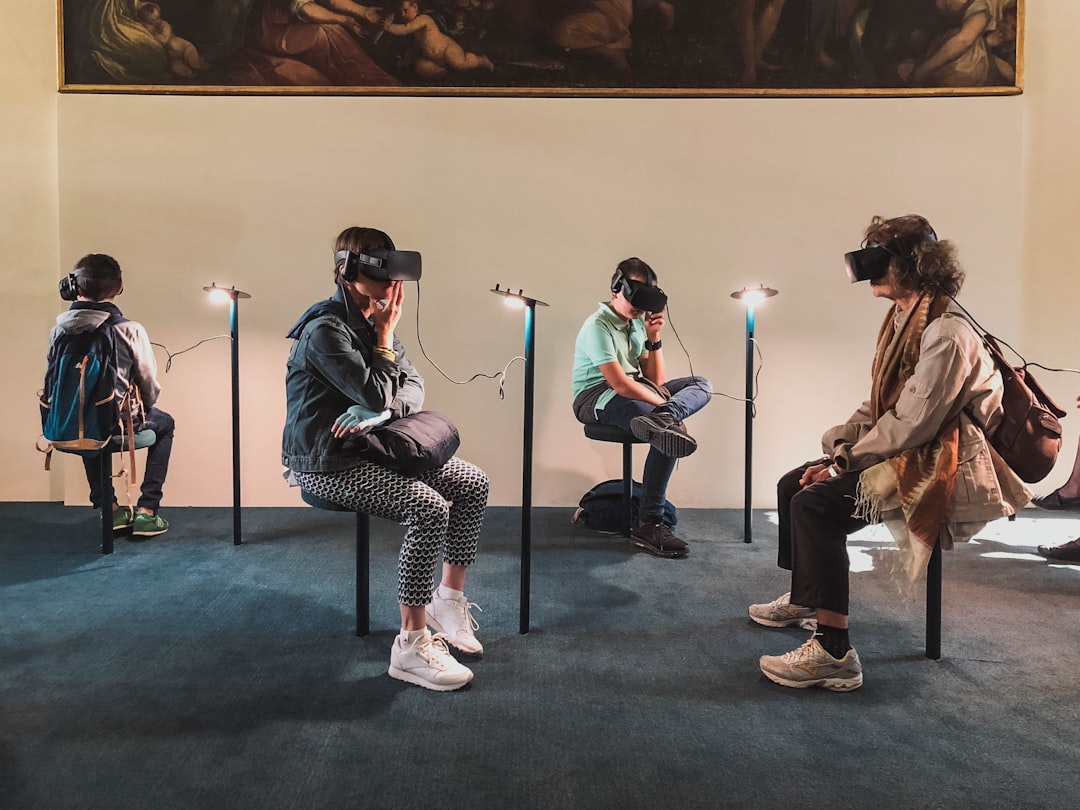
Scalable learning design requires the use of digital tools in a time when technology is at the forefront of education. The infrastructure required to effectively reach large audiences is provided by mobile applications, learning management systems (LMS), and e-learning platforms. At Designing Digitally, we use technology to create immersive learning environments that are accessible from anywhere at any time. Using technology also makes it possible to incorporate multimedia components like interactive simulations, animations, and videos.
These captivating formats accommodate different learning styles while also grabbing students’ attention. For example, interactive simulations may be ideal for kinesthetic learners, whereas visual learners might benefit from video content. We make sure that our solutions are both scalable and flexible enough to accommodate varying learner preferences by integrating a variety of technological tools into our learning designs.
Developing scalable learning solutions entails more than just reaching a big audience; it also entails making sure that all students can access and profit from the material. A key factor in the design process should be accessibility. This entails following rules like the Web Content Accessibility Guidelines (WCAG) to make sure people with disabilities can use our materials. We at Designing Digitally put inclusivity first by creating content that meets a range of needs.
This entails offering captions for videos, alternate text for images, and screen reader compatibility. By providing multilingual options and culturally appropriate examples, we also take language barriers and cultural diversity into account. By creating a welcoming classroom, we enable every student to fully engage with the subject. Any learning initiative’s success depends on engagement, particularly when it’s aimed at a big audience. It is crucial to produce interactive, entertaining, and educational content in order to draw in and keep students’ interest.
Gamification, storytelling, and scenario-based learning are just a few of the techniques we use at Designing Digitally to increase engagement. Gamification is the process of introducing game-like components, like leaderboards, badges, and points, into the educational process. This method encourages active participation from students and cultivates a sense of accomplishment & competition.
Another effective technique for making difficult ideas more approachable and memorable is storytelling. We establish deeper emotional connections with students by incorporating narratives into our content. When evaluating the efficacy of any educational program, assessment is essential. Implementing assessment systems that offer insightful information about learner progress and comprehension is crucial for scalable learning solutions.
We at Designing Digitally support a range of evaluation techniques, such as tests, self-evaluations, and peer reviews. Feedback plays an equal role in the process of learning. Giving students timely and helpful feedback strengthens their comprehension of the subject matter and helps them identify areas for improvement.
In order to guarantee that students receive prompt responses to their assessments, we use technology to automate the delivery of feedback. This real-time feedback loop promotes ongoing development while also improving the learning process. Maintaining consistency and quality becomes more difficult as organizations scale their learning initiatives. To guarantee that all materials are in line with corporate objectives and branding, it is essential to set clear standards and guidelines for content creation.
We at Designing Digitally have a thorough quality assurance procedure that involves frequent content reviews and updates. The process of creating content can also be streamlined by utilizing templates and style guides, which guarantee uniformity across various modules or courses. By standardizing components like tone, formatting, & visual design, we produce a unified learning environment that strengthens learner recognition and brand identity. Meeting the varied learning preferences and styles of a large audience is one of the biggest challenges in developing scalable learning solutions. Not every student absorbs information in the same way; some might benefit from hands-on activities, while others might prefer visual aids. We at Designing Digitally acknowledge this diversity & work hard to produce content that accommodates a range of learning styles.
We use a variety of teaching techniques in our designs to achieve this flexibility. To effectively engage different types of learners, we could, for example, combine interactive exercises and discussion forums with video lectures. Also, giving students options for how to access the material—such as through live sessions or self-paced modules—enables them to customize their education to suit their preferences. Since the educational landscape is always changing, scalable learning design must incorporate continuous improvement. In order to improve our content in response to learner feedback and new developments in pedagogy & technology, we at Designing Digitally believe in using an iterative approach.
We can pinpoint areas for improvement and innovation by routinely assessing the efficacy of our learning solutions. After training programs are finished, we advise organizations to use focus groups or surveys to get participant input. This insightful feedback guides our design process and keeps us ahead of the curve in providing meaningful & influential learning opportunities. In conclusion, developing scalable learning solutions for large audiences necessitates a multidimensional strategy that places a high priority on comprehending learner needs, utilizing technology, guaranteeing accessibility, producing interesting content, putting in place efficient assessments, upholding quality consistency, accommodating a range of preferences, & making a commitment to ongoing improvement.
At Digitally Designing, Inc. We are committed to assisting organizations in overcoming these obstacles by offering customized solutions that promote significant learning opportunities for each and every participant. Together, we can develop educational programs that have a significant impact on big audiences and promote success throughout your company.