Reskilling in the Modern Workforce: A Comprehensive Approach The importance of reskilling cannot be emphasized in the quickly changing job market of today. We are at a crossroads where the skills that once ensured job security may no longer be sufficient as industries change as a result of technological advancements and changing consumer demands. Reskilling is a proactive approach that enables us to stay competitive and relevant, not just a reaction to change. Our organization’s resilience is strengthened and individual capabilities are improved when we invest in the development of our workforce. Also, the significance of reskilling goes beyond short-term business requirements.
It encourages flexibility and creativity in our teams. When we place a high priority on ongoing education, we foster a culture where workers feel appreciated and inspired to advance. Higher rates of employee retention and job satisfaction follow from this. Long-term success depends on us embracing reskilling as a fundamental part of our organizational strategy as we negotiate the complexity of the contemporary economy. In order to carry out a reskilling program successfully, we must first determine the skills gap in our company. This process entails a detailed examination of the skills that will be needed in the future in relation to our business goals.
In the quest to develop a comprehensive reskilling strategy for the modern workforce, organizations can benefit from examining innovative training approaches, such as those highlighted in a related article about a trauma unit nurse training simulation. This article showcases how immersive training techniques can enhance skill acquisition and retention, making it a valuable resource for companies looking to implement effective reskilling programs. For more insights on this topic, you can read the article here: Trauma Unit Nurse Training Simulation.
We can learn more about the particular competencies that are lacking by interacting with a variety of stakeholders, such as team leaders and staff. By working together, we can make sure that we are anticipating future difficulties in addition to meeting current needs. Technology developments and industry trends that could affect our workforce should also be taken into account. For example, the growth of automation and artificial intelligence has increased the need for data analysis & digital literacy. We can better match our reskilling initiatives with the changing needs of our sector by keeping up with these trends.
To stay ahead of the curve, identifying the skills gap is a continuous process that calls for constant evaluation and modification. The next stage after identifying the skills gap is to evaluate our employees’ present skill levels. Peer reviews, performance evaluations, & self-evaluations are just a few of the ways this assessment can be done.
We can gain a thorough grasp of the strengths and shortcomings of our workforce by combining these techniques. We are able to customize our reskilling programs to our employees’ unique needs thanks to this data-driven approach. Establishing an open dialogue during this assessment process is also essential. Employees feel more in control of their own development when they are encouraged to express their goals and perceived skill gaps. We can match our training programs with their career paths by knowing their unique objectives, which will ultimately result in a more motivated and engaged workforce.
In today’s rapidly evolving job market, organizations must prioritize the development of a robust reskilling strategy to keep their workforce competitive. A related article discusses the successful implementation of innovative training programs at Federal Student Aid, showcasing how they effectively adapted to changing needs and enhanced employee skills. For more insights on this transformative approach, you can read about their success story here. By learning from such examples, companies can better prepare their teams for the challenges of the modern workplace.
In addition to improving the efficacy of our reskilling initiatives, this individualized approach fosters a positive workplace culture. We can now concentrate on creating a thorough training program since we have a clear grasp of the skills gap and the capabilities of the current workforce. For every reskilling project, this plan should specify the precise learning goals, approaches, and deadlines.
Throughout the training process, we can monitor progress and guarantee accountability by establishing quantifiable goals. Employee participation in this planning stage is crucial since it can yield insightful information about preferred learning formats and styles. We should look into a variety of learning options that accommodate various preferences in addition to conventional training techniques like seminars and workshops. Employee skill development can be greatly aided by online training, mentorship programs, and practical projects. We can establish an inclusive training environment that meets a range of learning needs by providing a variety of learning options.
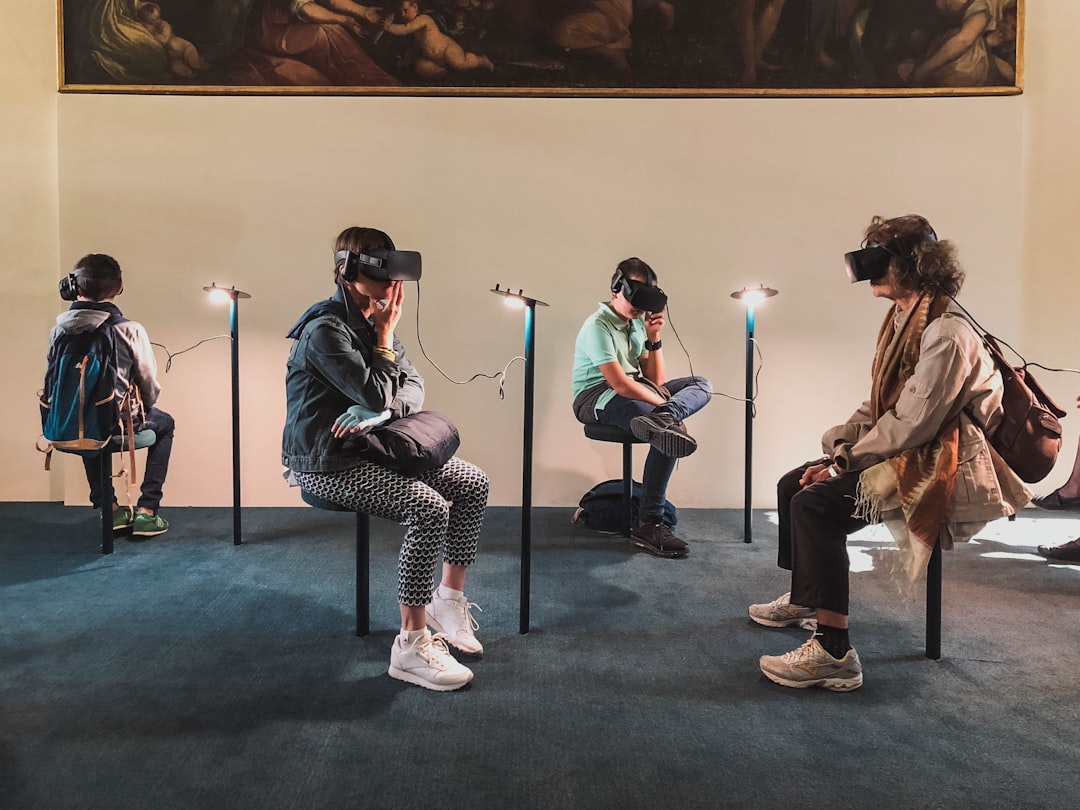
In the end, a well-organized training program will act as a road map for our reskilling initiatives, directing us toward the accomplishment of our company objectives. Using digital tools for learning is crucial in a time when technology permeates every part of our lives. Mobile applications, virtual reality simulations, and e-learning platforms provide creative ways to deliver training materials effectively and efficiently. We can give employees flexible learning options that suit their schedules and lifestyles by integrating technology into our reskilling initiatives. Also, technology allows us to collect real-time data on employee performance and monitor progress.
We are able to make well-informed decisions about future training requirements and modify our programs as a result thanks to this data-driven approach. Also, by making learning more engaging and fun, gamification components can raise engagement. We can establish a dynamic learning environment that promotes ongoing development by incorporating technology as a crucial part of our training approach. We must foster a culture of ongoing learning if we are to genuinely integrate reskilling into our organizational structure.
This entails creating an atmosphere where workers are motivated to advance their knowledge and abilities throughout their careers. Leadership is essential to this effort because we can encourage others to pursue lifelong learning by setting an example & praising staff members’ efforts to advance their skills. This culture of learning can also be strengthened by giving staff members the chance to share their knowledge. Initiatives like cross-departmental workshops and lunch-and-learn sessions enable people to exchange knowledge and learn from one another.
We can dismantle silos and promote a group approach to skill development by encouraging cooperation and candid communication. In the end, a culture of continuous learning not only helps individual workers but also propels organizational success by encouraging creativity and flexibility. Establishing metrics to gauge the success of our reskilling initiatives is crucial as we put them into action.
To give a comprehensive picture of the effects of our training initiatives, this assessment procedure should include both qualitative and quantitative metrics. Employee retention rates, productivity levels, and general job satisfaction are examples of key performance indicators (KPIs) that can provide important information about how well our reskilling initiatives are working. Also, it is essential for ongoing improvement to get input from staff members who have taken part in training programs. We can learn more about their experiences & pinpoint areas that need improvement by conducting surveys and focus groups.
We can make data-driven changes that guarantee our programs continue to be pertinent and successful in fulfilling employee needs and organizational objectives by routinely evaluating the results of our reskilling efforts. Adapting to future skill requirements as they emerge is the last component of reskilling. Since the nature of work is ever-evolving, skill development must also be dynamic.
We can proactively identify new skills that will be critical for our workforce in the upcoming years by keeping up with emerging technologies & industry trends. Also, building connections with academic institutions and business associations can give us important information about what skills will be needed in the future. We can stay ahead of the curve and make sure that our reskilling efforts are in line with market demands by working together on research projects or taking part in industry forums. By incorporating flexibility and adaptability into our training programs, we establish ourselves as leaders in workforce development, prepared to take on any obstacles that may arise.
In conclusion, reskilling is essential in today’s fast-paced workplace and is not merely an option. We can make sure that our workforce is prepared for success in a constantly changing environment by recognizing its significance, spotting skill gaps, evaluating present capabilities, creating focused training plans, utilizing technology, fostering a culture of continuous learning, measuring success, & adjusting to future demands. Together, let’s make a commitment to creating an atmosphere that values education & celebrates personal development. By doing this, we can ensure both individual success and the long-term success of our company as a whole.