The idea of social learning has become a key strategy for professional and educational advancement in the fast-paced, globally connected world of today. Fundamentally, social learning is the process of gaining information and abilities via social interaction. This approach places a strong emphasis on teamwork, observation, and shared experiences, enabling people to learn from peers as well as from formal education. As we learn more about this subject, we see that social learning is a fundamental change in our understanding of learning in a variety of contexts, especially the workplace.
We discover that traditional learning approaches frequently fail to satisfy the varied needs of workers as we negotiate the complexity of contemporary workplaces. The emergence of collaborative platforms and digital communication tools has changed the way we communicate and exchange information. In this situation, social learning becomes a crucial tactic for companies looking to promote an innovative and constantly improving culture. We can build a dynamic learning ecosystem that improves organizational and individual performance by utilizing the collective intelligence of teams. Social learning in the workplace has numerous advantages that affect both workers and companies overall.
In exploring the concept of social learning in the workplace, it’s beneficial to consider how effective communication and collaboration tools can enhance this process. A related article that delves into the importance of these tools is available at Designing Digitally, which discusses strategies for fostering a collaborative environment that supports social learning among employees. This resource provides valuable insights into creating a culture where knowledge sharing and peer learning thrive, ultimately leading to improved performance and innovation within organizations.
Enhancing employee engagement is one of the biggest benefits. People feel more invested in their work and connected to their coworkers when they engage in collaborative learning activities. Higher motivation and job satisfaction can follow from this feeling of community, which eventually raises retention rates.
By participating in social learning, we foster a culture where staff members are willing to exchange ideas & gain knowledge from one another. Also, social learning promotes a knowledge-sharing culture that can greatly increase organizational effectiveness. Employees can innovate more quickly and solve problems more successfully when they work together and share ideas. In addition to speeding up the learning process, this collaborative attitude fosters the acquisition of new abilities that are essential for adjusting to shifting market demands. By embracing social learning, we put ourselves in a position to take advantage of growth opportunities and proactively address obstacles.
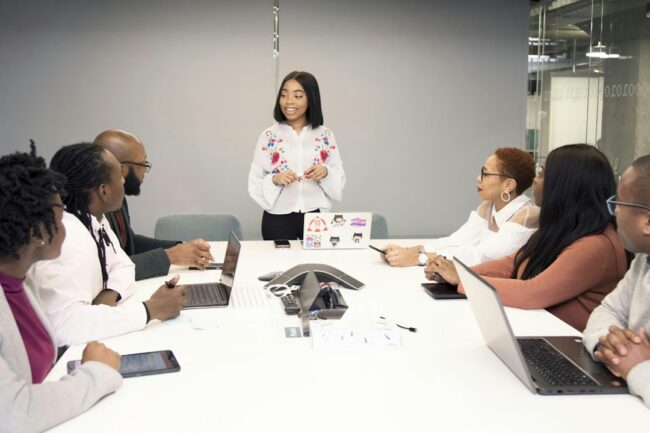
Social learning takes many different forms, each with special benefits that address various organizational requirements & learning preferences. Peer-to-peer learning, in which staff members exchange knowledge and experiences, is one well-known kind. Mentorship programs, lunch-and-learn sessions, or even casual conversations during breaks can facilitate this informal knowledge exchange. By encouraging these exchanges, we establish a welcoming atmosphere where people are at ease asking for assistance and offering their perspectives. Collaborative projects, in which groups cooperate to accomplish shared objectives, are another powerful method of social learning.
In exploring the benefits of collaborative environments, one can gain further insights by examining how simulations can enhance employee training. The article on using simulations for training employees highlights innovative methods that align with the principles of social learning in the workplace. By integrating these interactive experiences, organizations can foster a more engaging learning atmosphere that encourages teamwork and knowledge sharing. For more details, you can read the full article here.
These initiatives not only promote cooperation but also give people the chance to benefit from one another’s perspectives and strengths. Also, asynchronous learning is made possible by online resources like social media groups, forums, and collaborative software. Even in remote work environments, employees can interact with content and one another at their own pace thanks to these digital spaces, which promote a feeling of community.
Organizations must first foster a culture that values open communication and teamwork in order to successfully implement social learning in the workplace. The first step in doing this is for the leadership to set the example by promoting knowledge exchange & acknowledging the contributions of every team member. By creating a welcoming atmosphere where everyone is encouraged to express their opinions, we create the foundation for successful social learning programs. Next, we should use technology to create opportunities for social learning.
We can establish areas where staff members can interact and share knowledge by utilizing collaborative tools like intranets, discussion boards, and video conferencing platforms. Participation and engagement can also be increased by offering instruction on how to use these tools efficiently. To maximize participation, we must make sure that resources are user-friendly and readily available as we incorporate technology into our social learning strategies. Implementing social learning in the workplace is not without difficulties, despite its many advantages. Overcoming resistance to change is a major challenge.
Workers used to conventional training techniques might be reluctant to adopt new strategies that prioritize teamwork & peer education. We must effectively convey the importance of social learning and show how it fosters both individual development and organizational success in order to overcome this resistance. Ensuring that every employee has equal access to social learning opportunities presents another challenge. Participation may be hampered in diverse workplaces by differences in experience, self-assurance, and communication abilities. We must actively promote inclusivity by offering specialized assistance to individuals who might find it difficult to participate in social learning activities in order to lessen this problem.
We can increase the efficacy of our social learning programs by creating an atmosphere where everyone feels appreciated & included. We should implement a number of best practices that encourage participation and cooperation in order to optimize the efficacy of social learning initiatives. First and foremost, it is essential that our social learning programs have specific goals. We can make sure that our efforts are in line with organizational priorities and meet the needs of our workforce by clearly defining goals & outcomes.
Encouraging a culture of feedback is also essential for ongoing progress. We ought to establish avenues for staff members to discuss their experiences with social learning programs and offer recommendations for improvement. In addition to helping us improve our programs, this feedback loop gives staff members a say in how their learning experiences are shaped. Also, engagement levels can be greatly increased by praising & rewarding participation in social learning activities. We emphasize the value of teamwork within our organization by recognizing individuals or groups that actively contribute to knowledge sharing.
Formal awards or incentives, as well as casual shout-outs during meetings, are some examples of this acknowledgment. Analyzing actual instances of effective social learning programs can offer insightful information about best practices and implementation tactics. A prominent technology company that incorporated social learning into its onboarding procedure is one noteworthy example. New hires were paired with seasoned mentors who helped them during their first few weeks of employment. In addition to speeding up the onboarding process, this peer-to-peer method promoted solid departmental relationships.
Another striking example is from a multinational consulting company that used online collaboration tools to help its consultants, who were dispersed throughout different regions, share knowledge. Regardless of distance, employees could participate in conversations, exchange resources, and work together on solutions by establishing virtual communities centered on particular subjects or projects. This initiative strengthened the company’s overall collaborative culture while also improving knowledge sharing. The future of social learning in the workplace seems bright and exciting. We expect even more creative approaches to social learning to emerge in organizations around the world as technological advancements continue to transform how we communicate & work together.
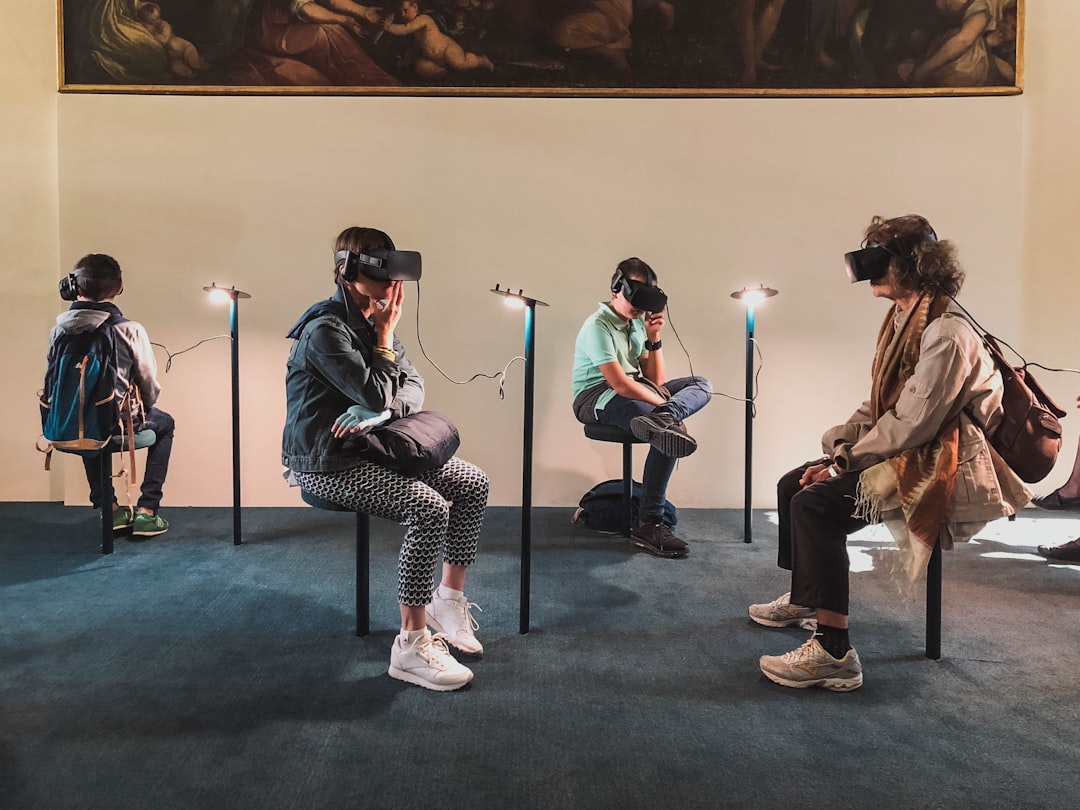
Personalized learning experiences catered to individual needs & preferences may be made possible by the incorporation of AI and machine learning into collaborative platforms. Also, organizations will need to modify their social learning strategies to sustain engagement among distributed teams as remote work becomes more common. Technologies like custom digital training (AR) and virtual reality (VR) may be crucial in developing immersive learning environments that promote remote teamwork.
In conclusion, it is critical that we acknowledge the transformative potential of social learning as we embrace the changing nature of work and education. We can establish an atmosphere where ongoing learning flourishes and ultimately propels both individual development and organizational success by cultivating a culture that values teamwork, making effective use of technology, and taking proactive measures to address obstacles.