Collaborative learning communities are crucial in today’s world of rapid change. Their importance cannot be emphasized. These communities function as essential ecosystems where people congregate to exchange experiences, expertise, and knowledge. We can improve our educational opportunities & stimulate creativity by creating a climate of mutual assistance and group development.
In addition to empowering individuals, collaborative learning communities foster a feeling of community and purpose. Collaborative learning allows us to access a variety of viewpoints that deepen our comprehension & expand our perspectives. Also, the development of critical thinking and problem-solving abilities depends on collaborative learning communities. When we collaborate, we test each other’s theories and presumptions, which results in more profound understanding and reliable solutions. Our ability to think critically and creatively is fostered by this dynamic interaction, which is essential in the complicated and linked world of today.
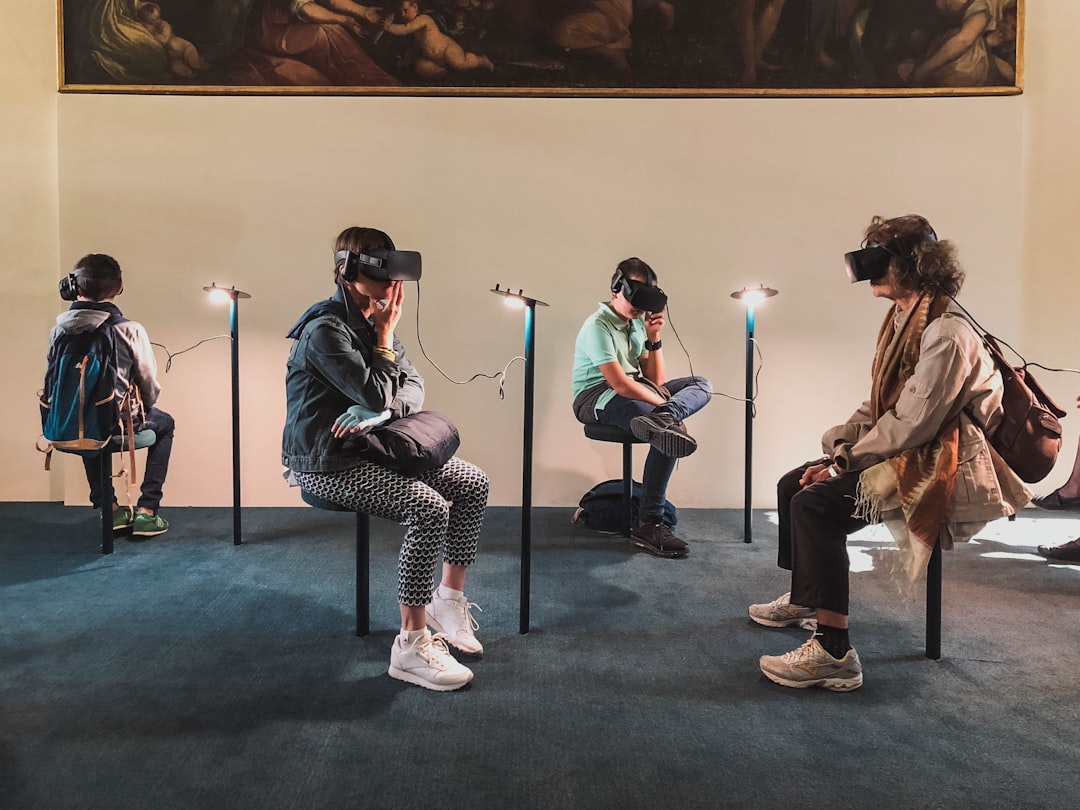
Building collaborative learning communities at work can significantly enhance team dynamics and productivity. A related article that explores innovative approaches to improving workplace collaboration is available at this link: How VR Can Improve Your Business. This article discusses how virtual reality technology can foster immersive learning experiences, ultimately leading to more effective teamwork and communication within organizations.
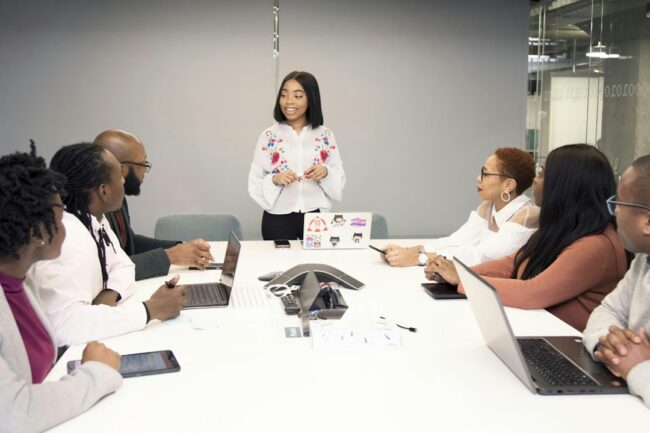
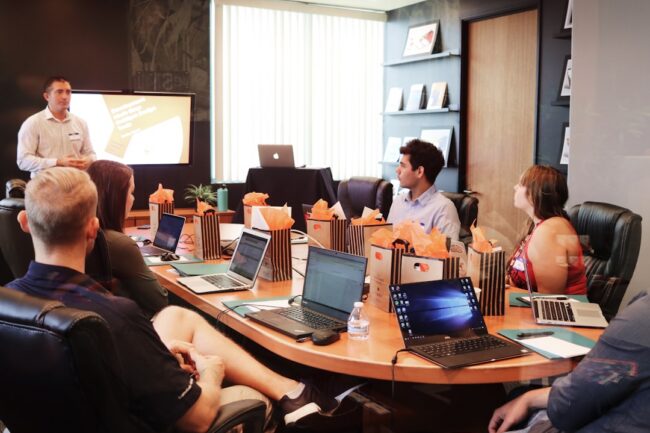
Effective collaboration becomes a crucial skill as we overcome obstacles, allowing us to capitalize on our combined strengths & accomplish shared objectives. Techniques for Creating Collaborative Learning Communities In order to create successful collaborative learning communities, we need to use a range of techniques that encourage participation and diversity. Establishing organized opportunities for collaboration is one of the best strategies. This can involve holding frequent gatherings, workshops, or brainstorming sessions where participants can offer their opinions and suggestions.
By allocating specific time for teamwork, we emphasize its significance and promote everyone’s active involvement. Including icebreakers and team-building exercises can also aid in removing obstacles & promoting trust between participants. Another tactic is to make use of different group compositions. We can create a rich tapestry of perspectives that improves our collective learning by bringing together people with diverse experiences, backgrounds, & disciplines.
Ensuring that everyone feels heard & respected in the community is crucial. By creating ground rules that encourage courteous communication and attentive listening, we can accomplish this. By fostering an inclusive environment, we enable each participant to share their special perspectives, which ultimately enhances everyone’s educational experience. Establishing a Collaborative Culture in the Workplace In order to promote innovation and increase productivity, it is essential to establish a collaborative culture in the workplace.
In exploring the concept of Building Collaborative Learning Communities at Work, it’s insightful to consider how organizations like NASA have successfully implemented project management training through eLearning. This approach not only enhances individual skills but also fosters teamwork and collaboration among employees. For a deeper understanding of these strategies in action, you can read about NASA’s innovative training methods in this related article.
We must put open communication and transparency first in order to accomplish this. Collaboration can flourish when team members are encouraged to express their ideas and opinions without worrying about being judged. Frequent check-ins & feedback sessions can help keep the lines of communication open, enabling us to handle any issues or problems that may come up. The importance of teamwork within our organization can also be reinforced by praising and acknowledging cooperative efforts. We can encourage others to participate in similar endeavors by showcasing collaborative projects that have been successful.
Building Collaborative Learning Communities at Work is essential for fostering a culture of continuous improvement and engagement among employees. To enhance this process, organizations can benefit from understanding the importance of feedback in employee training. A related article discusses best practices for gathering and implementing feedback effectively, which can significantly contribute to the success of collaborative learning initiatives. For more insights, you can read the article on employee training feedback best practices.
Putting in place incentive programs that recognize teamwork can encourage team members to collaborate even more. We deepen our relationships and reaffirm the value of teamwork as a fundamental component of our workplace culture when we celebrate our shared accomplishments. The Function of Leadership in Promoting Collaborative Learning Communities: Leadership is essential to the development of collaborative learning communities. By modeling inclusive behaviors and promoting candid communication, effective leaders set the tone for teamwork.
They must aggressively advance a vision that emphasizes collaboration & group development. Leaders encourage others to adopt this perspective and support a culture of shared learning by showcasing their dedication to teamwork. Leaders should also offer the tools and assistance required to promote cooperation. This involves providing training courses that give team members the abilities necessary for productive teamwork, like communication and conflict resolution strategies.
Leaders enable us to interact meaningfully with one another by investing in our growth as collaborators. Also, establishing chances for cross-functional cooperation can aid in dismantling organizational silos and promoting a more cohesive community where information is freely exchanged. Using Technology to Promote Collaborative Learning In a world that is becoming more and more digital, technology is essential to promoting collaborative learning communities. Regardless of distance, we can easily connect, exchange ideas, and work together thanks to a variety of tools & platforms.
For example, project management software makes it easier for team members to communicate while monitoring the status of joint projects. These tools improve community accountability in addition to streamlining processes. Also, real-time conversations & brainstorming sessions are made possible by virtual collaboration platforms, which facilitate communication between us. By enabling face-to-face communication even when working remotely, video conferencing tools promote a sense of presence & connection.
We can establish dynamic collaborative environments that improve our learning experiences & spur innovation by skillfully utilizing technology. Overcoming Obstacles in Creating Collaborative Learning Communities: Although creating collaborative learning communities has many advantages, there are some obstacles to overcome. Opposition to change is a typical barrier.
Some people might not feel comfortable sharing their ideas with others or may be used to working alone. In order to overcome this obstacle, we need to establish a secure environment where people can express themselves without worrying about being judged. Promoting one-on-one conversations or small group discussions can facilitate people’s transition into cooperative environments. Handling disputes that may occur during cooperative efforts is another difficulty. Team members may become tense or misunderstand one another due to differences in viewpoints or working methods. We should set up clear communication guidelines that encourage civil discourse in order to resolve these disputes.
We can better comprehend one another’s viewpoints by promoting empathy and active listening. Instead of letting disagreements erode our community, we can improve our cooperative ties by resolving them in a positive way. Measuring the Impact of Collaborative Learning Communities We need to develop metrics to measure the impact of collaborative learning communities in order to fully comprehend their efficacy.
This entails evaluating the qualitative and quantitative results of our joint endeavors. For example, as a direct consequence of improved collaboration, we can assess increases in team performance or productivity. Feedback systems and surveys can offer insightful information about how people view their experiences in the community. We can also assess the success of our joint efforts by monitoring knowledge exchange and skill development. We can pinpoint areas for development & recognize accomplishments by keeping an eye on how frequently team members share resources or assist one another in their educational endeavors.
In the end, evaluating the effects of collaborative learning communities enables us to improve our tactics and guarantee that we keep creating settings that support development and creativity. Maintaining and Developing Collaborative Learning Communities Maintaining collaborative learning communities necessitates constant dedication and flexibility. As our needs change over time, so must our methods for working together. Reviewing our goals and objectives on a regular basis enables us to adjust to changing conditions while maintaining alignment with our common vision. Our community is kept vibrant and continuous improvement is encouraged by this iterative process.
Also, maintaining cooperative efforts requires cultivating a culture of lifelong learning. In addition to improving members’ individual abilities, encouraging them to take advantage of professional development opportunities benefits the community as a whole. In a world that is constantly changing, we can maintain the vitality and relevance of our collaborative learning communities by adopting new concepts and methods. All members must ultimately be committed to fostering relationships, exchanging knowledge, and encouraging one another’s development in order to keep these communities going. To sum up, collaborative learning communities are essential for encouraging creativity, increasing output, and giving people a feeling of community.
We can establish settings where collective learning flourishes by utilizing efficient methods for creating these communities, fostering a collaborative culture in the workplace, utilizing technology, overcoming obstacles, assessing impact, and maintaining growth. Let’s embrace the potential of teamwork as a driving force for both professional and personal growth as we proceed on this path together.