Bridging the Divide: Addressing the Skills Gap in Today’s Workforce As we negotiate the intricacies of the contemporary workforce, the idea of the skills gap comes up more and more. This phrase describes the discrepancy between the skills that employers need and the skills that job seekers have. This disparity has become a major concern for businesses in a variety of industries in a job market that is changing quickly due to technological breakthroughs and shifting economic conditions. We understand that resolving this issue involves more than just filling open positions; it also entails making sure that our workforce is prepared to handle the challenges of the present and the future.
Unfilled jobs in vital industries & a workforce lacking the skills to adopt new technologies are just two examples of how the skills gap shows up. As we learn more about this phenomenon, we discover that it affects not only employers but also workers, job seekers, and even educational institutions. The ramifications are extensive, impacting innovation, productivity, and general economic expansion. We can start investigating practical methods for closing this gap & developing a more competent workforce by comprehending the causes of the skills gap.
In exploring the strategies for how Learning and Development (L&D) can effectively close the skills gap by 2026, it is essential to consider the role of emerging technologies in education. A related article that delves into this topic is “Revolutionizing Business Learning with Machine Learning,” which discusses how machine learning can enhance training programs and personalize learning experiences. You can read more about it here: Revolutionizing Business Learning with Machine Learning. This resource provides valuable insights into how integrating advanced technologies can support L&D initiatives in bridging the skills gap.
In order to close the skills gap, learning & development, or L&D, is essential. Investing in L&D initiatives is crucial for giving workers the skills they need to succeed in their positions as businesses fight to stay competitive. We recognize that conventional training techniques might no longer be adequate; instead, we need to adopt cutting-edge strategies that accommodate a range of learning preferences and styles. We can enable our workforce to adjust and develop in tandem with industry demands by cultivating a culture of continuous learning.
Also, L&D programs ought to be in line with business objectives & market developments. This alignment guarantees that training programs are pertinent and focused, addressing particular skill gaps in our teams. To develop a thorough development strategy, we can make use of a variety of learning modalities, including workshops, mentorship programs, and e-learning platforms. By placing a high priority on L&D, we not only improve individual capabilities but also help our organizations succeed as a whole. The skills gap has been greatly impacted by the quick development of emerging technologies.
As automation, data analytics, & artificial intelligence grow in popularity, it’s clear that these developments are changing the nature of work & the skills needed. We live in a time when traditional skill sets could soon become outdated, so skill development must be done proactively. By determining which skills will be in demand in the near future, organizations can stay ahead of the curve. Also, new technologies can be useful tools for closing the skills gap.
As organizations strive to close the skills gap by 2026, understanding the importance of maximizing workplace learning opportunities becomes crucial. A related article discusses various strategies that can enhance employee development and engagement, ultimately leading to a more skilled workforce. For more insights on this topic, you can read about it in detail here. By implementing effective learning and development initiatives, companies can better prepare their teams for the challenges of the future.
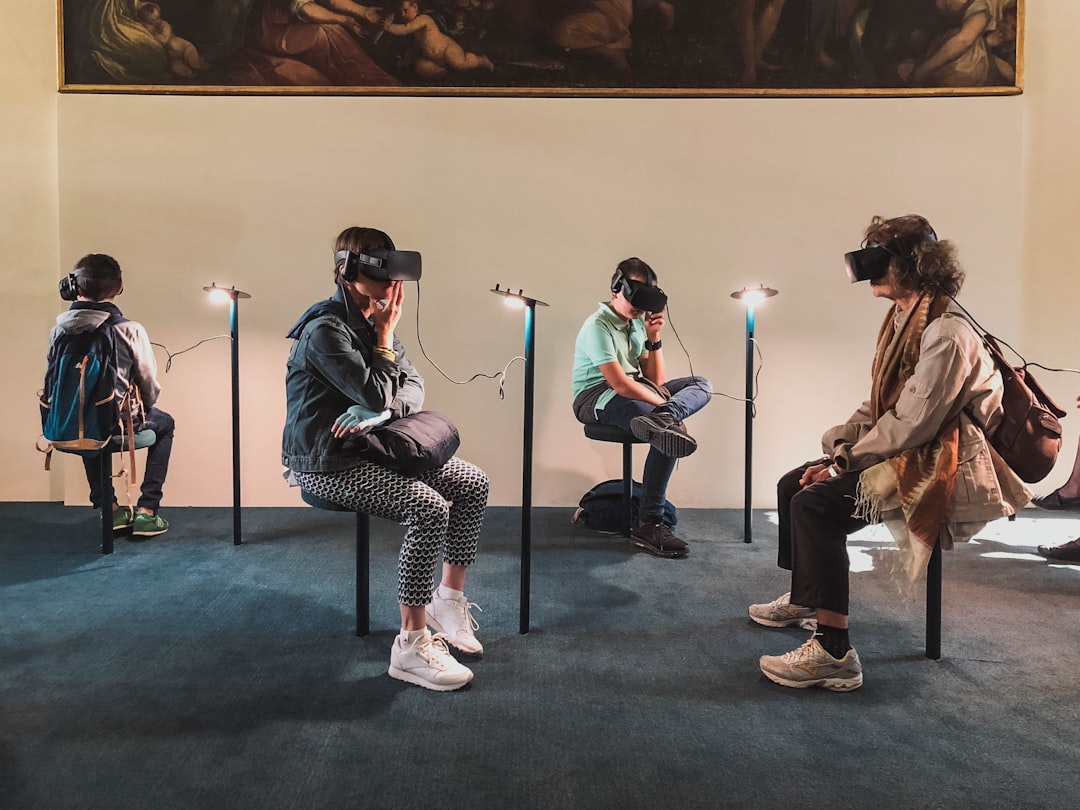
For example, immersive training experiences that improve learning outcomes can be offered by virtual reality (VR) and custom digital training (AR). By incorporating these technologies into our L&D strategies, we can develop training programs that are both effective & engaging, preparing staff members for the challenges presented by emerging technologies. Adopting these innovations not only helps us bridge the skills gap but also establishes our companies as innovative leaders in their respective fields. Continuous learning and development are now essential for both individuals and organizations in today’s fast-paced world.
As organizations strive to close the skills gap by 2026, it is essential to focus on effective employee training strategies. One insightful resource on this topic is an article that discusses best practices for gathering employee training feedback, which can significantly enhance learning and development initiatives. By implementing these practices, companies can ensure that their training programs are not only relevant but also impactful. For more information, you can read the article on employee training feedback here.
We acknowledge that the conventional educational paradigm, which emphasizes learning during formal schooling, is no longer adequate. Rather, we need to create an atmosphere where learning is a continuous process that is incorporated into both our personal and professional lives. This change is necessary to stay up with the quick changes in industry standards and technology.
Ongoing education helps employees become more resilient and adaptive. We empower our teams to take charge of their professional development by encouraging them to seek out opportunities for lifelong learning. In addition to improving individual skill sets, this proactive strategy makes the company more adaptable and able to react to changes in the market. By placing a high priority on lifelong learning, we establish ourselves as industry leaders prepared to confidently take on new challenges. In order to successfully close the skills gap by 2026, it is imperative that we create focused strategies.
Performing thorough skill evaluations inside our companies is one strategy. We can customize our training programs to meet particular needs by determining the skill gaps that currently exist among employees. Our L&D initiatives are guaranteed to be impactful and relevant thanks to this data-driven approach.
Fostering collaborations with academic institutions can also be extremely important in closing the skills gap. By working together with universities & technical schools, we are able to match curricula with industry demands & guarantee that graduates have the skills necessary to succeed in the workforce. Also, we can offer internships and apprenticeships to give students practical experience while also developing a talent pipeline for our companies. Analytics and data have become effective tools for finding skill gaps in businesses.
The strengths & shortcomings of our workforce can be more clearly understood by utilizing data-driven insights. We can use this information to make well-informed decisions about training expenditures and resource distribution. To identify particular areas where skill gaps exist, we can examine industry trends, employee performance metrics, & feedback surveys. Also, based on market trends and technology developments, predictive analytics can assist us in forecasting future skill requirements. By taking proactive measures to close possible skill gaps before they become serious problems, we establish ourselves as strategic leaders in our fields. In addition to improving our capacity to close the skills gap, adopting data-driven decision-making promotes a continuous improvement culture within our companies.
For the skills gap to be effectively addressed, a culture of learning must be established. We need to create an atmosphere where workers are inspired to take advantage of opportunities for professional growth without worrying about failing or being judged. This culture starts with the leadership; when leaders place a high priority on learning and growth, it sets the tone for the entire company. We can encourage candid dialogue about the need for skill development and recognize employees’ efforts to improve their abilities.
Also, our dedication to lifelong learning is strengthened by offering resources like workshops, mentorship programs, and online courses. Through cooperative projects & peer-to-peer learning programs, we should promote knowledge sharing among team members. We develop a workforce that is not only competent but also driven to develop and innovate by integrating learning into our company values. In today’s workforce, cooperation with outside partners is another successful tactic for skill development. We can obtain important resources & knowledge that improve our L&D initiatives by interacting with trade associations, educational institutions, and training providers. Through these collaborations, we are able to broaden our network of support while remaining up to date on new trends & best practices.
Also, working with outside partners allows us to provide a variety of training opportunities that might not be possible within the company. For example, collaborating with specialized training organizations can give staff members access to state-of-the-art programs designed for particular skill sets. By utilizing these outside resources, we can increase the efficacy of our training initiatives while maintaining our workforce’s competitiveness in a constantly changing labor market. In summary, closing the skills gap necessitates a multipronged strategy that includes L&D projects, new technologies, ongoing education, data-driven insights, organizational cultural changes, and cooperation with outside partners. We must continue to be proactive in closing this gap as we approach 2026 and beyond in order to guarantee a workforce with the skills necessary to tackle upcoming challenges.
In an increasingly complex world, we can create an atmosphere where people flourish professionally and contribute to organizational success by adopting these tactics as a group.