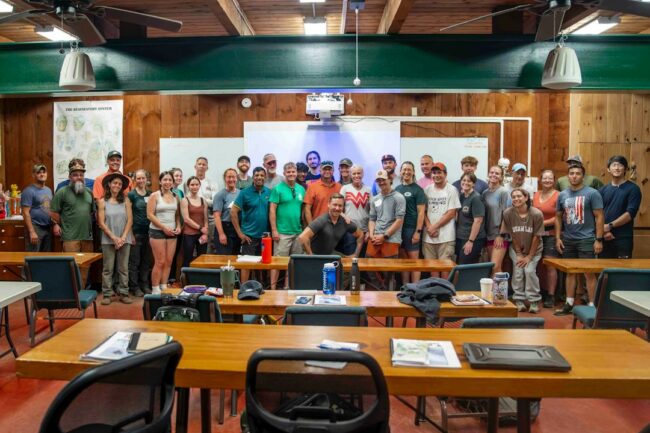
In today’s fast-paced business environment, the significance of employee training programs cannot be overstated. As organizations strive to remain competitive, they recognize that investing in their workforce is essential for long-term success. Employee training programs serve as a foundation for developing skills, enhancing productivity, and fostering a culture of continuous improvement. By equipping employees with the necessary tools and knowledge, we not only empower them to perform their roles effectively but also contribute to the overall growth of the organization.
Moreover, these training initiatives are not merely a checkbox on a corporate agenda; they represent a strategic approach to talent management. We understand that a well-trained workforce is more adaptable to change, more innovative in problem-solving, and ultimately more engaged in their work. As we delve deeper into the various aspects of employee training programs, we will explore how they can be tailored to meet the unique needs of our organizations and the individuals within them.
Employee training programs are essential for cultivating high-performance workforces, as they enhance skills, boost morale, and increase productivity. For a deeper understanding of how to create effective training initiatives, you can explore the article on Developing an Effective Employee Training Program, which provides valuable insights and strategies for designing impactful training experiences. To read more, visit this link.
The Importance of High-Performance Workforces
High-performance workforces are the backbone of any successful organization. When we cultivate a team that consistently exceeds expectations, we create an environment where innovation thrives and productivity soars. The importance of high-performance workforces lies not only in their ability to achieve immediate goals but also in their capacity to drive long-term strategic objectives. By focusing on performance, we can enhance customer satisfaction, improve operational efficiency, and ultimately increase profitability.
To build such a workforce, we must prioritize employee development through targeted training programs. These programs should aim to enhance both technical skills and soft skills, ensuring that our employees are well-rounded and capable of navigating the complexities of their roles. As we invest in our workforce, we foster a sense of ownership and accountability among employees, which in turn leads to higher levels of engagement and commitment to the organization’s mission.
Identifying Skill Gaps and Training Needs
A critical step in developing effective employee training programs is identifying skill gaps and training needs within our organization. We must conduct thorough assessments to understand where our employees excel and where they may require additional support. This process often involves gathering feedback from employees, managers, and performance evaluations to create a comprehensive picture of our workforce’s capabilities.
Once we have identified these gaps, we can tailor our training initiatives to address specific needs. This targeted approach not only maximizes the effectiveness of our training programs but also demonstrates to employees that we value their professional growth. By aligning training with both individual aspirations and organizational goals, we create a win-win situation that benefits both parties.
Designing Effective Training Modules
Designing effective training modules is crucial for ensuring that our employees gain the skills they need in a manner that resonates with them. We must consider various learning styles and preferences when creating these modules, as a one-size-fits-all approach is unlikely to yield optimal results. By incorporating diverse instructional methods—such as hands-on activities, interactive workshops, and e-learning—we can cater to different learning preferences and enhance engagement.
Additionally, it is essential to establish clear learning objectives for each training module. These objectives should be specific, measurable, achievable, relevant, and time-bound (SMART), providing a roadmap for both trainers and participants. By setting clear expectations, we can better assess the effectiveness of our training initiatives and ensure that employees leave with the knowledge and skills they need to succeed.
Employee training programs are essential for cultivating high-performance workforces, as they equip employees with the necessary skills and knowledge to excel in their roles. A fascinating example of innovative training can be found in the use of virtual reality simulations for electrical line workers, which enhances their learning experience and safety awareness. For more insights on this cutting-edge approach, you can read the article on virtual reality training simulations that showcases how technology is transforming traditional training methods.
Incorporating Technology in Training Programs
Incorporating technology into our training programs has revolutionized the way we approach employee development. With advancements in digital learning tools, we can now offer flexible and accessible training options that cater to the diverse needs of our workforce. Online platforms, virtual classrooms, and mobile learning applications enable us to deliver content anytime and anywhere, making it easier for employees to engage with training materials at their own pace.
Moreover, technology allows us to track progress and gather data on employee performance more effectively. By utilizing learning management systems (LMS), we can monitor participation rates, assess knowledge retention through quizzes and assessments, and gather feedback on training effectiveness. This data-driven approach not only helps us refine our training programs but also provides valuable insights into employee development trends within our organization.
Onboarding and Continuous Learning Strategies
Effective onboarding is a critical component of any employee training program. It sets the tone for new hires and helps them acclimate to the company culture while equipping them with the necessary skills for their roles. We must ensure that our onboarding process is comprehensive and engaging, providing new employees with a clear understanding of their responsibilities and how they fit into the larger organizational framework.
However, onboarding should not be viewed as a one-time event; rather, it should be part of a broader strategy for continuous learning. We should encourage employees to pursue ongoing professional development opportunities throughout their careers. This could include access to workshops, seminars, online courses, or mentorship programs that foster skill enhancement and career growth. By promoting a culture of continuous learning, we empower our workforce to adapt to changing industry demands and remain competitive in their fields.
Leadership Development and Management Training
Leadership development is an essential aspect of employee training programs that often gets overlooked. As organizations grow and evolve, it becomes increasingly important to cultivate strong leaders who can guide teams effectively and drive organizational success. We must invest in management training initiatives that equip current and future leaders with the skills they need to inspire others, make informed decisions, and navigate complex challenges.
These leadership development programs should focus on key competencies such as emotional intelligence, communication skills, conflict resolution, and strategic thinking. By providing aspiring leaders with opportunities for hands-on experience through simulations or real-world projects, we can help them build confidence in their abilities while fostering a pipeline of talent for future leadership roles within the organization.
Measuring Training Effectiveness and ROI
To ensure that our employee training programs are delivering value, we must establish metrics for measuring their effectiveness and return on investment (ROI). This involves evaluating both qualitative and quantitative data to assess how well our training initiatives are meeting their objectives. We can gather feedback from participants through surveys or interviews to gain insights into their experiences and perceived value of the training.
Additionally, we should analyze performance metrics before and after training sessions to determine any improvements in productivity or skill application. By correlating these metrics with business outcomes—such as increased sales or improved customer satisfaction—we can demonstrate the tangible benefits of our training programs. This data-driven approach not only justifies our investment in employee development but also helps us refine future training initiatives based on what works best.
Fostering a Culture of Learning and Growth
Creating a culture of learning and growth within our organization is vital for sustaining employee engagement and motivation. We must encourage open communication about professional development opportunities while recognizing and celebrating employees’ achievements in their learning journeys. By fostering an environment where continuous improvement is valued, we empower employees to take ownership of their development.
Moreover, leadership plays a crucial role in shaping this culture. When leaders prioritize their own learning and model growth-oriented behaviors, they set an example for others to follow. We should encourage leaders to share their experiences and insights with their teams, creating a collaborative atmosphere where knowledge is freely exchanged. This collective commitment to learning not only enhances individual performance but also strengthens team dynamics and overall organizational effectiveness.
Overcoming Challenges in Employee Training
Despite our best efforts, challenges in employee training are inevitable. One common obstacle is resistance from employees who may view training as an additional burden rather than an opportunity for growth. To overcome this resistance, we must communicate the benefits of training clearly and involve employees in the planning process. By soliciting their input on training topics or formats, we can create programs that resonate with their interests and needs.
Another challenge lies in resource constraints—whether it be time, budget, or personnel limitations—that can hinder the implementation of comprehensive training initiatives. To address this issue, we should prioritize essential training needs based on organizational goals while exploring cost-effective solutions such as online courses or peer-led workshops. By being strategic about resource allocation, we can still provide valuable training experiences without overwhelming our teams.
Future Trends in Workforce Training and Development
As we look ahead to the future of workforce training and development, several trends are emerging that will shape how organizations approach employee learning. One significant trend is the increasing emphasis on personalized learning experiences tailored to individual employee needs. With advancements in artificial intelligence (AI) and data analytics, we can create customized learning paths that adapt based on an employee’s progress and preferences.
Additionally, there is a growing focus on soft skills development alongside technical skills training. As automation continues to reshape industries, the demand for interpersonal skills such as communication, collaboration, and emotional intelligence will only increase. Organizations must recognize this shift and incorporate soft skills training into their programs to prepare employees for success in an evolving workplace.
In conclusion, employee training programs are essential for fostering high-performance workforces capable of driving organizational success. By identifying skill gaps, designing effective modules, incorporating technology, promoting continuous learning strategies, investing in leadership development, measuring effectiveness, fostering a culture of growth, overcoming challenges, and staying attuned to future trends, we can create robust training initiatives that empower our workforce for years to come.